
There is nothing quite like the comforting aroma of freshly baked carrot cake cupcakes filling your kitchen. They are truly a beloved classic, especially as a bright spring recipe or a delightful Easter dessert. For me, these perfect little parcels of spice and tenderness evoke pure joy. Many home bakers search for that elusive balance of deep flavor and an unbelievably moist, fluffy texture. This recipe delivers exactly that, promising consistently perfect carrot cake cupcakes every time, along with all my expert tips and tricks to avoid common baking frustrations.
Table of Contents
Table of Contents
Why You’ll Love This Recipe
This recipe for carrot cake cupcakes is truly special, thanks to a couple of unique twists I discovered in my kitchen.
Our secret to incredible flavor is spice blooming. I warm a portion of the oil and briefly bloom the cinnamon and nutmeg in it before adding other wet ingredients. This technique extracts and enhances the fat-soluble flavor compounds in the spices. The result is a deeply aromatic and complex spice profile that elevates these cupcakes far beyond a standard recipe.
We also focus on careful carrot moisture control. I gently blot the grated carrots to remove excess moisture before they go into the batter. This is a crucial step that prevents a soggy or dense cupcake. It ensures optimal batter consistency, leading to a consistently tender, fluffy crumb and avoiding common sinking issues.
The combined effect of these techniques creates unrivaled moisture and flavor. You will get exceptionally moist cupcakes with a rich, cheerful spice profile that will impress everyone. These techniques also guarantee reliable results. Even for beginner bakers, these methods prevent common frustrations and virtually guarantee success. These carrot cake cupcakes are perfect for any occasion. They are ideal as an Easter dessert or a festive spring recipe, but they are also versatile enough for everyday treats or family gatherings.
Ingredients Needed
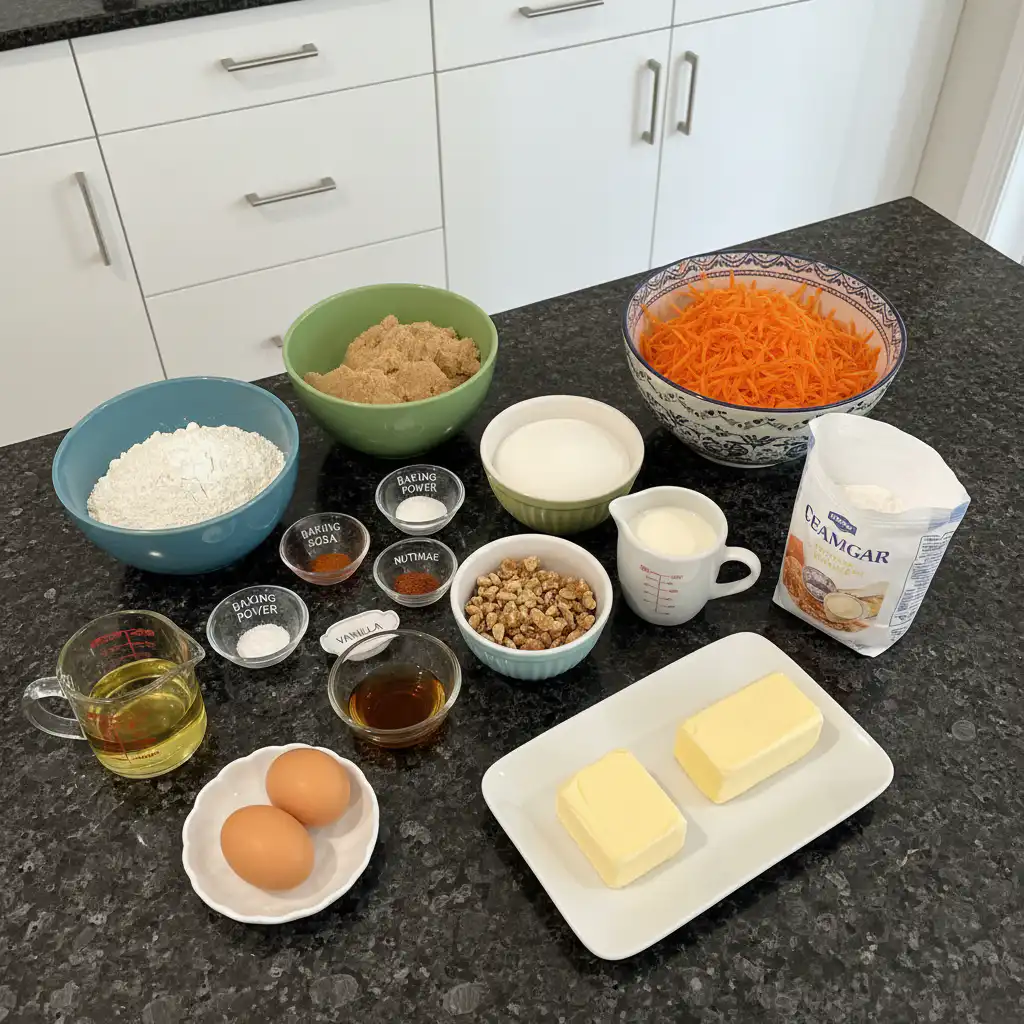
Here is exactly what you will need to create these wonderful carrot cake cupcakes.
- 1 ¼ cups all-purpose flour
- ½ cup granulated sugar
- ½ cup light brown sugar packed
- ¾ teaspoon baking soda
- ½ teaspoon baking powder
- ½ teaspoon salt
- 1 teaspoon cinnamon
- ¼ teaspoon nutmeg
- ¾ cups avocado, vegetable, or canola oil
- 2 large eggs (room temperature)
- 1 ½ teaspoons vanilla extract
- 2 Tablespoons milk
- 1 ½ cups grated carrots
- ½ cup chopped walnuts or pecans, optional
- 1 batch Cream Cheese Frosting
Ingredient Notes & Substitutions
Carrots: I always recommend choosing fresh carrots over pre-shredded for the best flavor and moisture control. If you must use pre-shredded, ensure they are very fine and remember to blot them thoroughly. For optimal grated carrots texture, use a food processor with a grating attachment or a hand grater. If using a food processor, pulse briefly to avoid making carrot juice, but do not overdo it.
Oil: Oil truly wins for moisture in carrot cake cupcakes. Using avocado oil, vegetable oil, or canola oil ensures a truly moist cupcake texture that is wonderfully tender. These oils have a neutral flavor profile, allowing the spices and carrots to shine.
Sugars: Granulated sugar and light brown sugar each play a vital role. Granulated sugar contributes to structure and sweetness, while light brown sugar adds a lovely caramel note and extra moisture due to its molasses content. Baking science shows how these sugars interact with the leavening agents for proper lift. If you want to reduce sugar, you can decrease the amount slightly. Alternatives like date sugar or coconut sugar can be used, but they might affect the texture and sweetness.
Leavening Agents: Baking soda and baking powder are crucial for a fluffy texture. Baking soda reacts with the acidic light brown sugar and milk to create carbon dioxide, which gives the cupcakes their rise. Baking powder offers an additional boost of lift. Together, they ensure a wonderfully airy crumb.
Dairy-Free Milk: For those with dietary needs, you can easily substitute cow’s milk with dairy-free milk alternatives such as almond milk or oat milk. The recipe will work beautifully.
Add-Ins: Chopped walnuts or pecans are classic additions to carrot cake cupcakes. You could also try raisins for a burst of sweetness. To prevent these add-ins from sinking to the bottom of your cupcakes, I suggest lightly coating them in a tablespoon of the all-purpose flour before adding them to the batter.
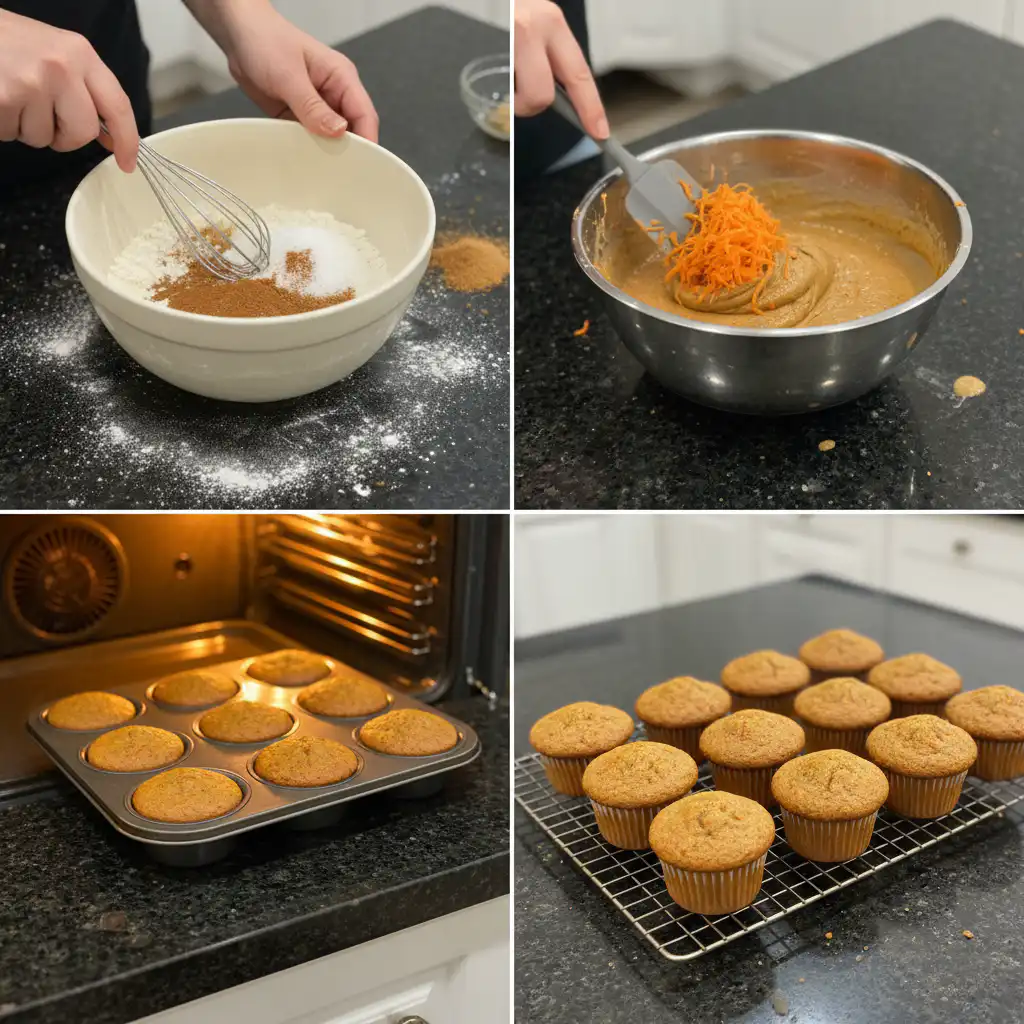
How to Make Perfect Carrot Cake Cupcakes
Baking these carrot cake cupcakes is a joyful process, and with my unique approach, you will achieve stellar results every time.
Prepare Your Baking Station
First, preheat your oven to 350F (175C). Line a 12-count muffin pan with paper liners. I find that good quality parchment liners or foil liners work best to prevent any sticking.
Combine Dry Ingredients
In the bowl of a stand mixer fitted with a paddle attachment, or in a large bowl using an electric mixer, whisk together the all-purpose flour, granulated sugar, light brown sugar, baking powder, baking soda, salt, cinnamon, and nutmeg. Whisking ensures all the dry ingredients are evenly distributed for consistent flavor and rise.
Bloom Spices and Add Wet Ingredients
Now for my special twist. Add the oil to the dry ingredients. Then, warm about two tablespoons of this oil separately in a small pan on low heat, just until warm to the touch. Stir your cinnamon and nutmeg into this warm oil and let it bloom for about 30 seconds, allowing those fat-soluble flavors to intensify. Pour this aromatic spiced oil back into your mixing bowl. Next, add the large eggs, one at a time, beating until each is well-combined. Make sure to scrape down the sides of the bowl after each addition to ensure everything is incorporated.
Incorporate Liquids
Stir in the vanilla extract and milk. Mix just until combined, being careful not to overmix the batter at this stage.
Add Carrots and Optional Nuts
Here is our second unique twist. Add the grated carrots. Remember, before adding them, you must lightly blot them thoroughly with paper towels to remove excess moisture. This critical step ensures a tender crumb and prevents a dense, wet cupcake. If you are using them, also add the chopped walnuts or pecans now. Stir gently until everything is just combined. Avoid overmixing, as this can lead to tough cupcakes.
Bake Your Cupcakes
Evenly divide the batter among your cupcake liners, filling each about two-thirds to three-quarters of the way full. This ensures beautifully domed tops. Transfer the muffin pans to the preheated oven and bake on 350F (175C) for about 20 minutes, or until a toothpick inserted into the center comes out clean or with just a few moist crumbs. The tops should look golden and spring back lightly when touched.
Cool Completely
Allow the carrot cake cupcakes to cool in the baking tin for about 5 minutes. Then, carefully remove them to a cooling rack to cool completely. This step is vital. Never frost warm cupcakes, as the cream cheese frosting will melt and slide right off.
Mastering Your Carrots & Cupcake Liners: Essential Prep for Success
Perfect carrot cake cupcakes begin long before the batter hits the oven. Proper preparation of your key ingredients and equipment makes all the difference.
Guidance on Choosing and Preparing Carrots
When it comes to carrots, fresh is always best. Fresh carrots offer superior flavor and better moisture control compared to their pre-shredded counterparts. If you find yourself needing to use pre-shredded carrots, opt for the finest shreds available and ensure you still blot them well. For the best grated carrots texture, I prefer using a food processor with its shredding attachment for speed and consistency. If you do not have one, a simple hand grater works beautifully, just aim for fine shreds.
Now, for the absolute most crucial part of carrot preparation for these cupcakes: blotting. After grating your carrots, spread them out in a single layer on a few sheets of paper towel. Gently press another layer of paper towel over the top. You are looking to remove excess moisture without completely drying them out. This step is essential for achieving a consistently fluffy texture and preventing your carrot cake cupcakes from becoming dense or sunken due to too much liquid. It is a game-changer.
Choosing the Right Cupcake Liners to Prevent Sticking
Nobody wants a cupcake that sticks to its liner, leaving half the cake behind. Specific advice on cupcake liner types can help prevent this frustration. I generally recommend using good quality paper liners. Parchment paper liners are often the most reliable for non-sticking. Foil liners also work well, offering a sturdy hold and good release. Silicone liners can be reused, but sometimes the bottoms can feel a little greasy. If you are using standard paper liners, especially if they are thin, a very light spray of baking non-stick spray inside each liner can add an extra layer of protection against sticking. Investing in slightly heavier duty cupcake liners can save you a lot of headache.
Beyond the Basics: Creative Frosting & Dietary Adaptations
While my classic cream cheese frosting is perfection, sometimes it is fun to explore creative frosting variations. This recipe is also wonderfully adaptable for various dietary needs.
Creative Cream Cheese Frosting Variations
Elevating your cream cheese frosting can add another layer of flavor to your carrot cake cupcakes. For a rich, nutty flavor, try a browned butter cream cheese frosting. Simply brown your butter before incorporating it into the frosting recipe. For a touch of fall comfort, a maple cream cheese frosting, made by adding a tablespoon or two of pure maple syrup, is exquisite. A hint of orange zest in your cream cheese frosting also brightens the entire profile, complementing the warm spices of the cupcake beautifully.
Dietary Adaptations for Everyone
This recipe is already quite flexible, making it easier to adapt for different dietary preferences.
Gluten-Free: For a gluten-free version, I recommend using a high-quality 1:1 gluten-free flour blend. Brands like King Arthur Baking Gluten-Free Measure for Measure Flour work well in most recipes without extensive modification. You might find that the batter benefits from a slightly longer resting time (about 15-20 minutes) before baking to allow the gluten-free flour to fully hydrate.
Dairy-Free: Since this recipe already uses oil instead of butter, the cupcakes themselves are easy to make dairy-free. Simply substitute the cow’s milk with a preferred dairy-free milk alternative like almond milk, oat milk, or soy milk. For a dairy-free cream cheese frosting, look for dairy-free cream cheese alternatives available in most grocery stores and adjust the recipe accordingly.
Lower Sugar Options: If you prefer less sweetness, you can reduce the amount of granulated sugar and light brown sugar in the cupcake batter by up to ¼ cup without significantly impacting the texture. You can also experiment with alternative sweeteners like date sugar in the cupcakes, but be aware that this may impart a different flavor and potentially a slightly different texture. For the cream cheese frosting, reducing the powdered sugar is also an option, though it will result in a less firm frosting.
Pro Tips & Troubleshooting
Even seasoned bakers appreciate a few expert tips. Here are my best insights for consistently perfect carrot cake cupcakes, along with solutions for common mishaps.
Pro Tips
Blooming Spices: Always remember my unique twist: bloom your cinnamon and nutmeg in warm oil briefly before mixing into the batter. This step truly intensifies their flavor, resulting in a deeply aromatic cupcake.
Blot Your Carrots: This is the golden rule for moist cupcakes with a perfect fluffy texture. Lightly blot your grated carrots to remove excess moisture. This prevents a dense, wet crumb and is crucial for consistent success.
Optimal Carrot Preparation: Use a food processor’s shredding disc for quick, even grated carrots. If using a hand grater, aim for fine shreds. Avoid over-pulsing in a food processor, as this can turn your carrots into juice instead of shreds.
Oil Over Butter: Stick with avocado oil, vegetable oil, or canola oil. Oil contributes to a distinctly moist cupcake texture that butter simply cannot always achieve due to its different fat composition.
Room Temperature Ingredients: Ensure your large eggs and milk are at room temperature ingredients. This allows for better emulsification with the oil and sugars, creating a smoother, more uniform batter.
Don’t Overmix: Mix dry and wet ingredients until just combined. Overmixing develops gluten, leading to tougher, chewier cupcakes instead of that desirable fluffy texture.
Proper Filling: Fill your cupcake liners two-thirds to three-quarters full. This ensures beautiful, perfectly domed tops without overflowing.
Common Mistakes to Avoid
Wet Carrots: Forgetting to blot your grated carrots is a common culprit for overly wet batter. This can lead to dense or sunken cupcakes.
Expired Leavening: Always check if your baking soda and baking powder are still good. Using old leavening agents can cause cupcakes to fall flat or not rise properly.
Overmixing the Batter: Overworking the batter will develop too much gluten, resulting in tough, chewy cupcakes rather than a fluffy texture. Mix until just combined.
Underbaked Cupcakes: Remove from the oven only when a toothpick inserted comes out clean or with moist crumbs, not wet batter. Underbaking can lead to collapsed centers.
Frosting Warm Cupcakes: Never frost until your cupcakes are completely cool. Frosting will melt and slide off, creating a sticky mess. Patience is key here.
Adding Pineapple: While some carrot cake recipes include pineapple, I strongly advise against adding fresh chopped pineapple directly to this cupcake batter. Its high moisture content can cause the cupcakes to become too wet and fall apart.
Serving & Storage
Once your perfect carrot cake cupcakes are baked and beautifully frosted, it is time to enjoy them. Here is how I like to serve them and keep them fresh.
Serving Ideas
For a classic presentation, top your carrot cake cupcakes generously with a smooth, tangy cream cheese frosting. This pairing is simply iconic. To elevate their visual appeal, garnish with candied walnuts or pecans, a delicate sprinkle of cinnamon, or even a tiny, fresh carrot curl. These carrot cake cupcakes pair wonderfully with a hot cup of coffee, a comforting tea, or a cold glass of milk. They are truly an ideal Easter dessert or a delightful spring recipe, perfect for brunches, parties, or simply a sweet treat with loved ones.
Storage and Make-Ahead
Proper storage ensures your delicious creations stay fresh. Unfrosted carrot cake cupcakes can be stored in an airtight container at room temperature for up to 2-3 days.
Frosted carrot cake cupcakes, because of the cream cheese frosting, should be stored in an airtight container in the refrigerator for up to 5 days. Be sure to allow them to come to room temperature for about 30 minutes before serving for the best flavor and texture.
For make-ahead strategies, these cupcakes freeze beautifully. Unfrosted cupcakes can be wrapped individually in plastic wrap, then placed in an airtight container or freezer bag. They will keep well in the freezer for up to 2-3 months. To thaw, simply unwrap and let them come to room temperature before frosting. Frosted cupcakes can also be frozen, but it takes a little more care. Flash freeze them on a baking sheet for about an hour until the frosting is firm, then wrap individually in plastic wrap and place in an airtight container. This helps protect the frosting. They are best enjoyed within 1-2 months.
To reheat frozen or refrigerated unfrosted cupcakes, you can bring them to room temperature or gently warm them in a microwave for 10-15 seconds for a just-baked feel.
Conclusion
You now hold the secrets to baking truly perfect carrot cake cupcakes in your own kitchen. This recipe delivers exceptional moisture, a rich, aromatic spice profile, and reliability, all thanks to our unique approach of blooming spices in warm oil and carefully blotting the grated carrots. These two simple yet powerful twists ensure a tender, fluffy crumb and deep, complex flavor every single time.
I assure you that you have all the knowledge and techniques to create bakery-quality carrot cake cupcakes, regardless of your baking experience. Do not hesitate to try this recipe, experiment with different cream cheese frosting variations, or incorporate your favorite add-ins. I encourage you to share your delicious creations with friends and family. Don’t forget to print this recipe and add it to your collection!
FAQ
Can I make mini carrot cake cupcakes with this recipe?
Absolutely. This recipe is perfect for mini carrot cake cupcakes. Simply line mini muffin pans with paper liners. Reduce the baking time to approximately 10-15 minutes. Check for doneness by inserting a toothpick into the center; it should come out clean or with moist crumbs.
How should I store carrot cake cupcakes and can I freeze them?
Unfrosted carrot cake cupcakes can be stored in an airtight container at room temperature for up to 2-3 days. Frosted carrot cake cupcakes, due to the cream cheese frosting, should be stored in an airtight container in the refrigerator for up to 5 days. For freezing, unfrosted cupcakes can be individually wrapped and frozen for 2-3 months. Frosted cupcakes can be flash-frozen first to set the frosting, then wrapped and stored for 1-2 months. Thaw frozen cupcakes at room temperature before enjoying.
What’s the best way to grate carrots for the cupcake batter?
For the best texture, use a food processor with a grating attachment for quick, even shreds. Alternatively, a hand grater also works well to achieve a fine texture. Crucially, regardless of your method, always lightly blot the grated carrots with paper towels to remove excess moisture. This step is key for a tender crumb and to prevent dense or soggy carrot cake cupcakes.
Can I reduce the amount of sugar in these carrot cake cupcakes?
Yes, you can typically reduce the total amount of granulated sugar and light brown sugar in the cupcake batter by about ¼ cup without significantly impacting the moisture or texture. For alternative sweeteners, date sugar can be used, but note that it may alter the flavor profile and texture slightly. Reducing sugar in the cream cheese frosting is also possible but will result in a less firm consistency.
Why is oil used instead of butter in carrot cake cupcakes?
Oil, particularly a neutral oil like avocado oil, vegetable oil, or canola oil, is preferred in carrot cake cupcakes because it contributes to a consistently moist and tender crumb. Butter has a lower fat content and a higher water content than oil, which can result in a drier cupcake texture. Oil remains liquid at room temperature, helping to keep the cupcakes soft and moist longer.
How can I prevent my carrot cake cupcakes from sinking or spreading?
Several factors can cause cupcakes to sink or spread drastically. Ensure your baking soda and baking powder are fresh and active. Avoid overmixing the batter, which can overdevelop gluten and lead to a tough, sunken texture. Accurately measure all ingredients, especially flour and leavening. Crucially, blot your grated carrots to avoid adding excess moisture. Also, verify your oven temperature with an oven thermometer, as an inaccurate oven can lead to uneven baking.
Is my baking soda and baking powder still good?
You can easily test your leavening agents. For baking soda, put a spoonful in a small bowl and pour a little vinegar over it; it should fizz vigorously. For baking powder, add a spoonful to hot water; it should also fizz. If there is no fizzing, it is time to get new leavening agents, as fresh ones are crucial for proper rise in your carrot cake cupcakes.
What happens if I add fresh chopped pineapple to the batter?
I do not recommend adding fresh chopped pineapple to this particular carrot cake cupcakes recipe. While some recipes include it, fresh pineapple has a very high moisture content. Adding it can make the batter too wet, leading to dense, gummy, or even crumbling cupcakes that do not hold their structure well.
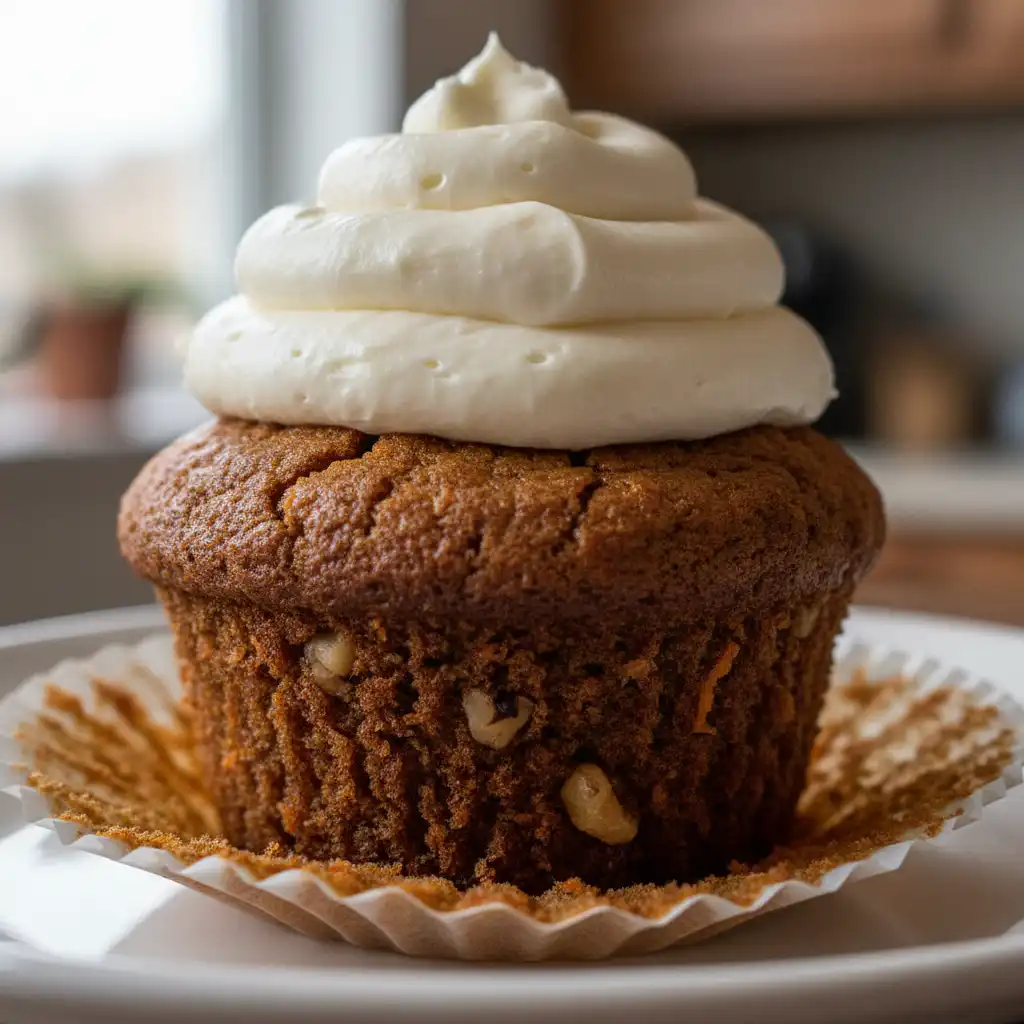
Perfect Carrot Cake Cupcakes: Extra Moist & Fluffy
Ingredients
Equipment
Method
- First, preheat your oven to 350F (175C). Line a 12-count muffin pan with paper liners. I find that good quality parchment liners or foil liners work best to prevent any sticking.
- In the bowl of a stand mixer fitted with a paddle attachment, or in a large bowl using an electric mixer, whisk together the all-purpose flour, granulated sugar, light brown sugar, baking powder, baking soda, salt, cinnamon, and nutmeg. Whisking ensures all the dry ingredients are evenly distributed for consistent flavor and rise.
- Now for my special twist. Add the oil to the dry ingredients. Then, warm about two tablespoons of this oil separately in a small pan on low heat, just until warm to the touch. Stir your cinnamon and nutmeg into this warm oil and let it bloom for about 30 seconds, allowing those fat-soluble flavors to intensify. Pour this aromatic spiced oil back into your mixing bowl. Next, add the large eggs, one at a time, beating until each is well-combined. Make sure to scrape down the sides of the bowl after each addition to ensure everything is incorporated.
- Stir in the vanilla extract and milk. Mix just until combined, being careful not to overmix the batter at this stage.
- Here is our second unique twist. Add the grated carrots. Remember, before adding them, you must lightly blot them thoroughly with paper towels to remove excess moisture. This critical step ensures a tender crumb and prevents a dense, wet cupcake. If you are using them, also add the chopped walnuts or pecans now. Stir gently until everything is just combined. Avoid overmixing, as this can lead to tough cupcakes.
- Evenly divide the batter among your cupcake liners, filling each about two-thirds to three-quarters of the way full. This ensures beautifully domed tops. Transfer the muffin pans to the preheated oven and bake on 350F (175C) for about 20 minutes, or until a toothpick inserted into the center comes out clean or with just a few moist crumbs. The tops should look golden and spring back lightly when touched.
- Allow the carrot cake cupcakes to cool in the baking tin for about 5 minutes. Then, carefully remove them to a cooling rack to cool completely. This step is vital. Never frost warm cupcakes, as the cream cheese frosting will melt and slide right off.