
There’s something incredibly comforting about a classic carrot cake or a batch of perfect carrot cake cupcakes, isn’t there? That blend of sweet spices, tender cake, and creamy frosting brings back warm memories every time.
What if we could capture all that cozy flavor in a soft, perfectly portioned cookie? That’s exactly what these carrot cake cookies do simple, nostalgic, and incredibly satisfying.
This recipe is my favorite twist on the classic. You’ll get moist, chewy cookies with warm spices, a hint of candied ginger, and a rich brown butter cream cheese frosting on top.
Don’t worry if you’re new to baking. I’ll walk you through every step with easy tips so your cookies turn out just right every time.
Table of Contents
Table of Contents
Why You’ll Love This Recipe
This recipe truly shines because of its unique twist. I incorporate 2 tablespoons of finely chopped candied ginger directly into the cookie dough with the carrots. I also add a pinch of freshly grated nutmeg with the dry ingredients.
The candied ginger provides a wonderful warm, spicy-sweet kick. It also adds a delightful chewiness that enhances both the texture and the depth of flavor, perfectly complementing the traditional cinnamon and carrot. Freshly grated nutmeg introduces an aromatic complexity, elevating the classic carrot cake experience beyond standard spice blends for a truly gourmet touch.
You will love achieving perfectly moist and chewy carrot cake cookies every single time. For another delightfully chewy treat, try our chewy banana bread chocolate chip cookies. These spiced cookies are an ideal Easter dessert, a beautiful spring dessert, and a fantastic addition to your holiday baking. They are deliciously sweet and buttery, offering an impressive yet straightforward baking project that yields incredible results.
Ingredients Needed
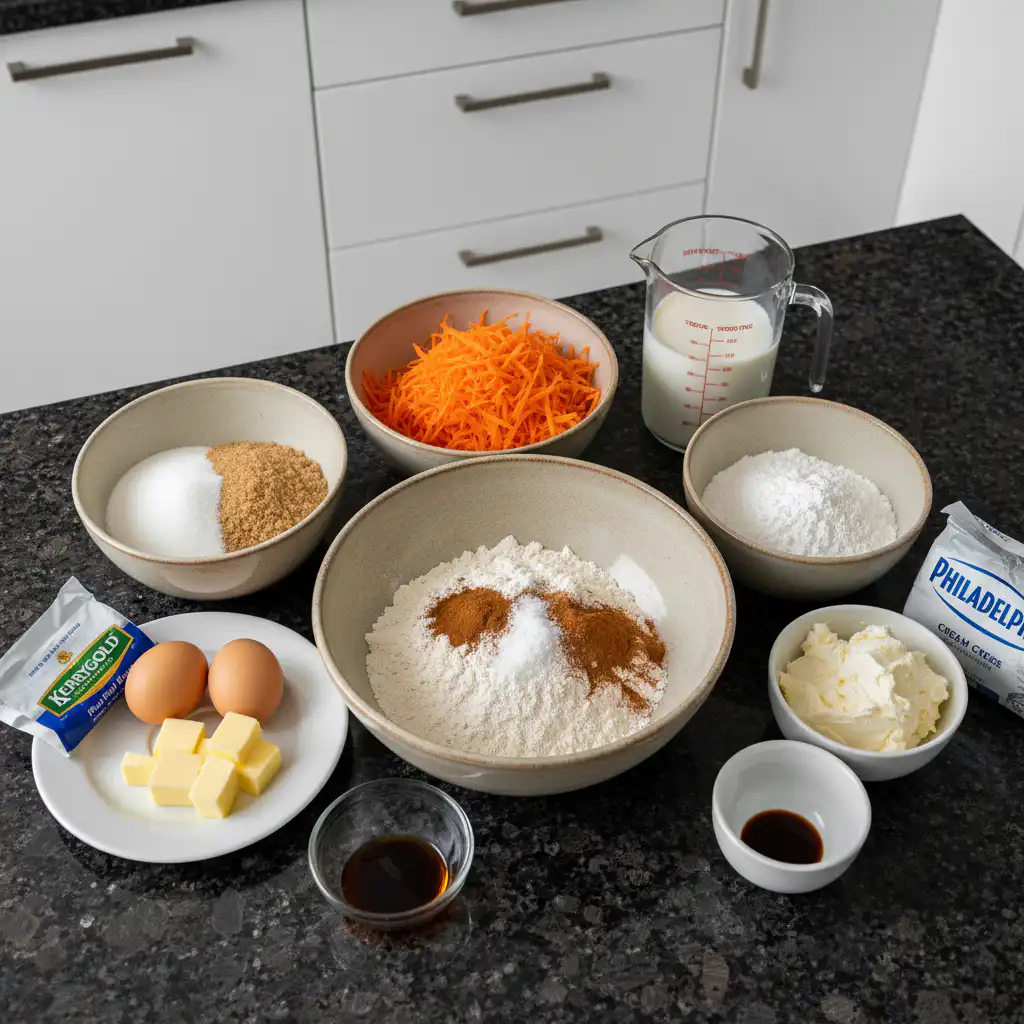
Here is everything you will need to create these amazing carrot cake cookies.
For the Cookies:
2 ¾ cup flour
1 teaspoon baking soda
¾ teaspoon salt
2 teaspoons cinnamon
1 cup butter (room temperature (should still be slightly firm))
¾ cup sugar
¾ cup brown sugar
2 teaspoons vanilla
2 large eggs
1 ½ cups finely grated carrots (about 4 medium carrots)
For the Brown Butter Cream Cheese Frosting:
4 tablespoons butter
2 ounces cream cheese (softened)
3 cups powdered sugar
1 teaspoon vanilla
4-6 tablespoons milk (as needed)
Ingredient Notes & Substitutions
Carrots: I always recommend using fresh carrots and grating them yourself for these carrot cake cookies. This ensures optimal moisture and the best texture. Pre-shredded carrots, often found in bags, tend to be too dry and can lead to a less moist cookie. Finely grated carrots melt into the dough beautifully.
Butter & Cream Cheese: The term room temperature is crucial here. For butter, it should still be slightly firm, not greasy or melted. For cream cheese, it should be softened but not warm or soupy. Microwaving these ingredients can negatively impact your cookie spread and the consistency of your cream cheese frosting. For precise flavor control, I generally recommend unsalted butter for both the cookies and the brown butter frosting. If you only have salted butter, you can reduce the added salt in the recipe by ¼ teaspoon.
Flour: This recipe uses all-purpose flour. If you are looking for a gluten-free option, many 1:1 gluten-free flour blends work well. Keep in mind that gluten-free cookies might require a slightly longer bake time and could have a slightly different texture.
Spices: The fresh spices are key to the depth of flavor in these carrot cake cookies. I specifically highlight the pinch of freshly grated nutmeg in this recipe. Using a Microplane for your nutmeg will give you the most intense aroma and complex flavor profile.
Optional Mix-ins: For an added crunch and nutty flavor, you can easily fold in ½ cup of chopped pecans or walnuts into the cookie batter along with the carrots.
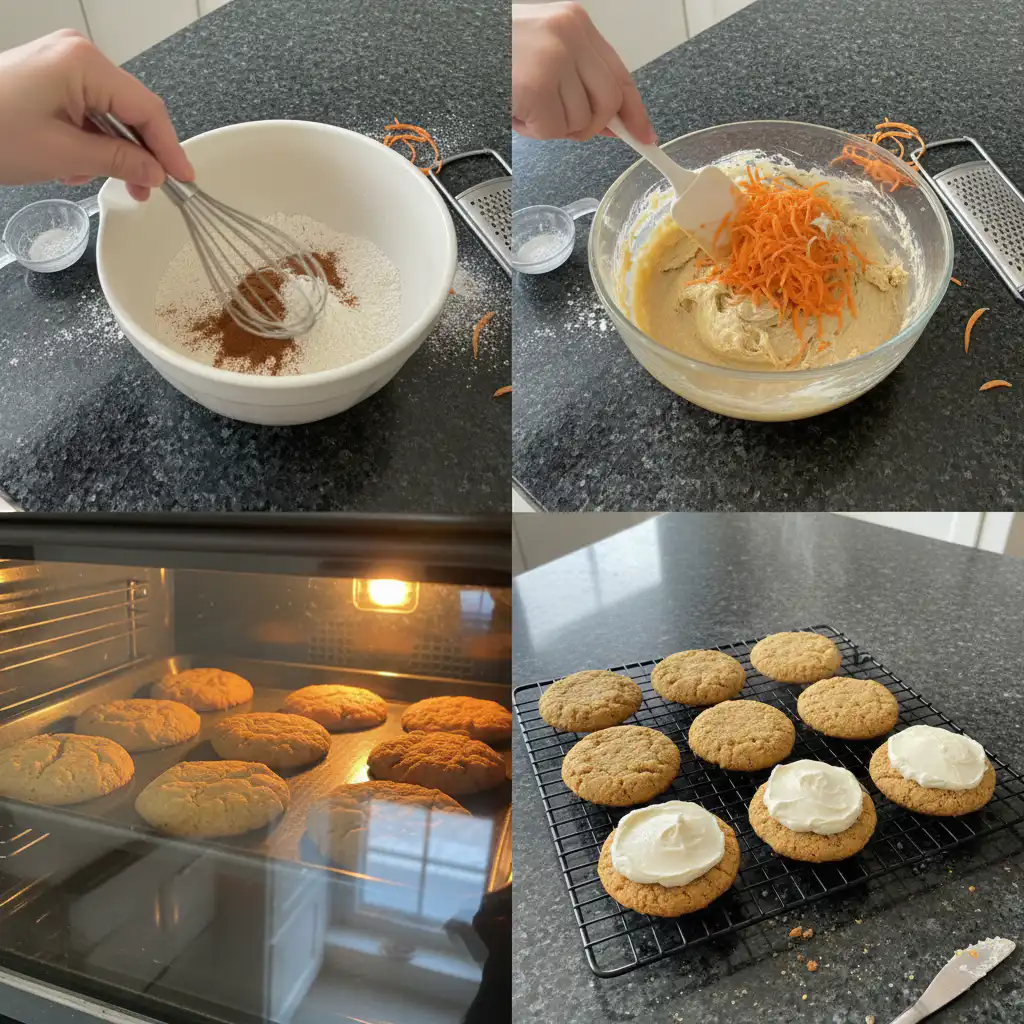
How to Make Carrot Cake Cookies
Let’s walk through the steps to create these perfect carrot cake cookies.
Prepare Your Workspace
First, preheat your oven to 350 degrees Fahrenheit. Very lightly grease a baking sheet or, even better, line it with a nonstick silicone baking mat or parchment paper. This helps prevent sticking and ensures even baking.
Combine Dry Ingredients
In a medium bowl, whisk together the flour, baking soda, salt, cinnamon, and the pinch of freshly grated nutmeg. Whisking ensures these dry ingredients are evenly distributed, which is important for the cookie’s texture and leavening.
Cream Butter and Sugars
In a large bowl, combine the room temperature butter, sugar, and brown sugar. Using a stand mixer or an electric hand mixer, beat them together for 2-3 minutes until the mixture is light and fluffy. This step incorporates air, which contributes to the soft texture of your chewy cookies.
Add Wet Ingredients and Carrots
Mix in the vanilla extract and large eggs one at a time, beating until just combined after each addition. Then, stir in the finely grated carrots and the 2 tablespoons of finely chopped candied ginger. Ensure everything is well distributed throughout the mixture.
Combine Wet and Dry
Gradually add the whisked dry ingredients to the wet ingredients. Mix on low speed or stir by hand until just incorporated. Be careful not to over-mix the batter; stop as soon as there are no more streaks of flour. Overmixing can develop the gluten too much, leading to tough, cakey cookies instead of soft cookies.
Bake the Cookies
Drop spoonfuls of cookie batter onto your prepared baking sheet. I use a large cookie scoop, about 2 tablespoons, to ensure uniform size. Space the cookies at least 2-3 inches apart to allow for spreading. Bake in the preheated oven for 10-12 minutes. The cookies are done when the edges begin to brown and the tops look dry and set. Allow them to cool on the baking sheet for about 5 minutes; this helps them set up and prevents crumbling. Then, transfer them to a cooling rack to cool completely.
Prepare the Brown Butter Frosting
While your carrot cake cookies are cooling, prepare the brown butter cream cheese frosting. In a small saucepan, melt the butter over medium-low heat. Once melted, continue to stir over the heat for 2-4 minutes longer. You will notice the color change from pale yellow to a deep golden-brown, and a rich, nutty aroma will emerge. This is the Maillard reaction, transforming regular butter into delicious brown butter. Remove the saucepan from the heat immediately to prevent burning.
Mix the Frosting
In a large bowl, combine the softened cream cheese and the browned butter. Mix well until smooth. Gradually mix in the powdered sugar, one cup at a time, until it is completely incorporated. Finally, mix in the vanilla and milk, adding the milk 1 tablespoon at a time. Continue mixing until your desired consistency is reached; the frosting should be fluffy and easily spreadable.
Frost and Serve
Once the carrot cake cookies are completely cooled, generously frost them with the brown butter cream cheese frosting. Store these delicious frosted carrot cake cookies in an airtight container at room temperature for up to 5 days.
Essential Equipment & Perfect Prep Tips
Having the right tools and knowing a few tricks can make all the difference in your baking.
Recommended Equipment
While you can certainly make these carrot cake cookies with basic bowls and spatulas, a few key pieces of equipment will streamline your process and enhance your results:
* Stand mixer or electric hand mixer: Essential for creaming butter and sugars and making fluffy frosting.
* Parchment paper or silicone baking mat: For lining baking sheets to prevent sticking and promote even baking.
* Cookie scoop: A 2-tablespoon cookie scoop ensures uniform cookie size, leading to even baking.
* Fine grater (e.g., Microplane) or food processor: For finely grating carrots and fresh nutmeg.
* Whisk: For combining dry ingredients thoroughly.
* Small saucepan: Crucial for browning the butter for the frosting.
* Cooling rack: Allows air circulation for cookies to cool completely without getting soggy bottoms.
Mastering Carrot Preparation
Finely grated carrots are absolutely crucial for achieving the moist, tender texture in these carrot cake cookies. Coarsely grated carrots can leave chunky, dry bits in your cookies. For optimal results, use the small holes of a box grater for a manual approach. Alternatively, a food processor with a grating attachment makes quick work of it. When using a food processor, pulse until the carrots are finely shredded but avoid over-processing into a mush. You want discernible, small shreds, not a purée. This ensures the carrots distribute evenly and release their moisture into the dough.
Butter & Cream Cheese Temperature Explained
The importance of correct room temperature for your butter and cream cheese cannot be overstated. Butter that is too cold will not cream properly with the sugars, leading to a denser cookie. Butter that is too warm or melted will cause your cookies to spread excessively. The ideal butter should yield slightly when pressed, but still hold its shape. For cream cheese, it needs to be softened enough to mix smoothly without lumps, but not melted, as this can lead to a runny frosting.
To quickly soften butter without microwaving, you can cut it into smaller pieces and let it sit for 15-20 minutes, or gently pound it with a rolling pin. For cream cheese, you can unwrap it and let it sit on the counter for about 30 minutes, or submerge the wrapped package in warm water for 10-15 minutes.
When it comes to butter for baking, I generally recommend unsalted butter. This gives you complete control over the total salt content in your recipe. If you only have salted butter, reduce the amount of added salt in the cookie dough by ¼ teaspoon to avoid overly salty cookies.
Pro Tips & Troubleshooting
Even the most experienced chefs benefit from a few expert pointers and a heads-up on common pitfalls.
Pro Tips
Fresh Carrots Matter: Use freshly grated carrots for the best moisture and flavor. Pre-shredded carrots tend to be dry and less sweet.
Butter Temperature Is Key: Your butter should be soft but slightly firm. If it’s too warm, the cookies may spread too much.
Soften Ingredients Quickly: Cut butter into small cubes to speed things up. For cream cheese, place it (wrapped) in warm water for 10–15 minutes.
Mix Gently: Once you add the dry ingredients, mix just until combined. Overmixing can make the cookies dense instead of soft and chewy.
Cool Before Frosting: Always let cookies cool completely. This keeps the frosting smooth and prevents it from melting.
Use Fresh Nutmeg: Grating nutmeg fresh adds a deeper, warmer spice flavor that really stands out.
Toast Nuts for Flavor (Optional): Lightly toast pecans or walnuts before adding them. It brings out a richer, nuttier taste.
Common Mistakes to Avoid
Avoid Pre-Shredded Carrots: Bagged carrots are often dry and too thick. Freshly grated carrots give better moisture and flavor.
Don’t Overmix the Batter: Mixing too much after adding flour develops gluten, which can make cookies tough instead of soft and chewy.
Watch Butter Temperature: Butter that’s too soft or melted will cause cookies to spread too thin and lose their shape.
Skip the Microwave: Microwaving butter or cream cheese can ruin their texture. Gentle softening gives better results.
Never Frost Warm Cookies: Frosting will melt and turn runny if the cookies aren’t fully cooled. Patience here really pays off.
Fix Runny Frosting: If your frosting is too thin, your cream cheese may be too warm or there’s too much liquid. Add milk slowly and keep ingredients slightly cool.
Serving & Storage
Once these carrot cake cookies are baked and frosted, the enjoyment doesn’t stop there. Here’s how to best serve and store them.
Serving Ideas
These carrot cake cookies are truly versatile. They are absolutely perfect served alongside a warm cup of morning coffee, a refreshing glass of cold milk, or your favorite tea. For an extra special touch, consider garnishing the frosted cookies with a sprinkle of chopped pecans or some caramelized walnuts while the frosting is still wet. These spiced cookies are a delightful Easter dessert, a welcome treat for a spring brunch, or a much-loved addition to any potluck. To create the ultimate dessert spread, serve them alongside our fudgy chewy brookies or homemade Twix cookies. They are truly a comforting dessert recipe suitable for any time of year.
Storage and Make-Ahead
Frosted carrot cake cookies can be stored in an airtight container at room temperature for up to 5 days, just as the recipe states. For slightly longer storage, you can refrigerate the frosted cookies in an airtight container for up to a week. While refrigeration might slightly alter the texture of the cookie, it ensures the cream cheese frosting stays fresh.
If you like to plan ahead, you have a few freezing options. To freeze unbaked cookie dough, scoop the dough into balls, place them on a baking sheet, and flash freeze until solid. Then, transfer the frozen dough balls to a freezer-safe bag for up to 3 months. When you’re ready to bake, place them on a prepared baking sheet and bake from frozen, adding a few extra minutes to the bake time.
For baked cookies, you can freeze them unfrosted or frosted. To freeze unfrosted cookies, allow them to cool completely, then flash freeze them on a baking sheet until solid. Transfer to an airtight freezer bag or container for up to 3 months. Thaw at room temperature before frosting. To freeze frosted cookies, flash freeze them on a baking sheet until the frosting is solid. Then, you can layer them in an airtight container with parchment paper between layers for up to 3 months. Thaw in the refrigerator or at room temperature.
For make-ahead convenience, you can grate your carrots a day in advance and store them in an airtight container in the refrigerator. You can also make the brown butter ahead of time. Once it has cooled, store it in the refrigerator until ready to use, then bring it back to a softened but not melted state. This recipe yields approximately 24 substantial carrot cake cookies, making them perfect for sharing.
Conclusion
There you have it—a recipe for ultimate carrot cake cookies that will undoubtedly become a staple in your baking repertoire. With their perfectly chewy and moist texture, the delightful pop of candied ginger, and the aromatic warmth of fresh nutmeg, these cookies are a gourmet treat. Paired with that luscious brown butter cream cheese frosting, they are simply irresistible. I’m confident that with these detailed instructions and my pro tips, even if you are new to baking, you will achieve impressive, bakery-worthy results. So, go ahead, gather your ingredients, enjoy the process of baking, and perhaps even experiment by adding some pecans to the mix. Don’t forget to print this recipe and share your baking successes!
FAQ
How do I get my carrot cake cookies to be perfectly chewy and moist?
Achieving perfectly chewy and moist carrot cake cookies starts with using the correct butter temperature (slightly firm, room temperature) and the right ratio of brown sugar, which adds moisture. Ensure you do not overmix the batter once the dry ingredients are added, as this can develop gluten and lead to cakey cookies. Finally, bake them just until the edges begin to brown and the tops look set to prevent overbaking.
What are the best practices for grating carrots for cookie dough?
For the best results, always use fresh carrots and grate them finely. You can use the small holes of a box grater or a food processor with a grating attachment. The goal is small, fine shreds that will evenly distribute moisture and flavor throughout the dough without leaving chunky bits.
How long can I store carrot cake cookies, and can they be frozen?
Frosted carrot cake cookies can be stored in an airtight container at room temperature for up to 5 days. For longer storage, you can refrigerate them for up to a week. Yes, these carrot cake cookies can be frozen! You can freeze unbaked cookie dough balls or unfrosted baked cookies for up to 3 months. Frosted baked cookies can also be flash-frozen and then stored in an airtight container with parchment between layers for up to 3 months.
What are common mistakes to avoid when making carrot cake cookies?
Common mistakes include using pre-shredded (dry) carrots, overmixing the cookie batter (which makes them tough), using butter that is too warm or melted (leading to excessive spreading), microwaving cream cheese or butter to soften (which can ruin texture), and frosting warm cookies (causing the frosting to melt off).
Can I adjust the spices or add other mix-ins to my carrot cake cookies?
Absolutely! While cinnamon and the unique candied ginger and fresh nutmeg provide a perfect spice balance, you can certainly add other mix-ins. Chopped pecans or walnuts are excellent additions for extra crunch and nutty flavor. You could also experiment with a touch of orange zest for an extra bright note.
Why did my carrot cake cookies turn out cakey instead of chewy?
Carrot cake cookies often turn out cakey instead of chewy due to overmixing the batter once the flour is added, which develops too much gluten. It can also be caused by using too much flour or by overbaking the cookies. To prevent this, mix until just combined and remove cookies from the oven when the edges are just barely golden.
What kind of butter should I use for carrot cake cookies (salted vs unsalted)?
I recommend using unsalted butter for these carrot cake cookies. Unsalted butter gives you more control over the overall saltiness of the recipe. If you only have salted butter, reduce the amount of added salt in the cookie dough by ¼ teaspoon.
How to make cream cheese frosting for cookies that isn’t runny?
To make cream cheese frosting for cookies that isn’t runny, ensure your cream cheese is softened but still cool, not warm or melted. Use proper powdered sugar incorporation, adding it gradually. Most importantly, add the milk one tablespoon at a time, mixing until you reach a fluffy and spreadable consistency. Avoid adding too much liquid too quickly.
Can I substitute gluten-free flour in carrot cake cookies?
Yes, you can often substitute a 1:1 gluten-free flour blend in this carrot cake cookies recipe. Be aware that the texture might be slightly different, and you might need to bake the cookies for a minute or two longer. Always follow the specific instructions on your chosen gluten-free flour blend for best results.
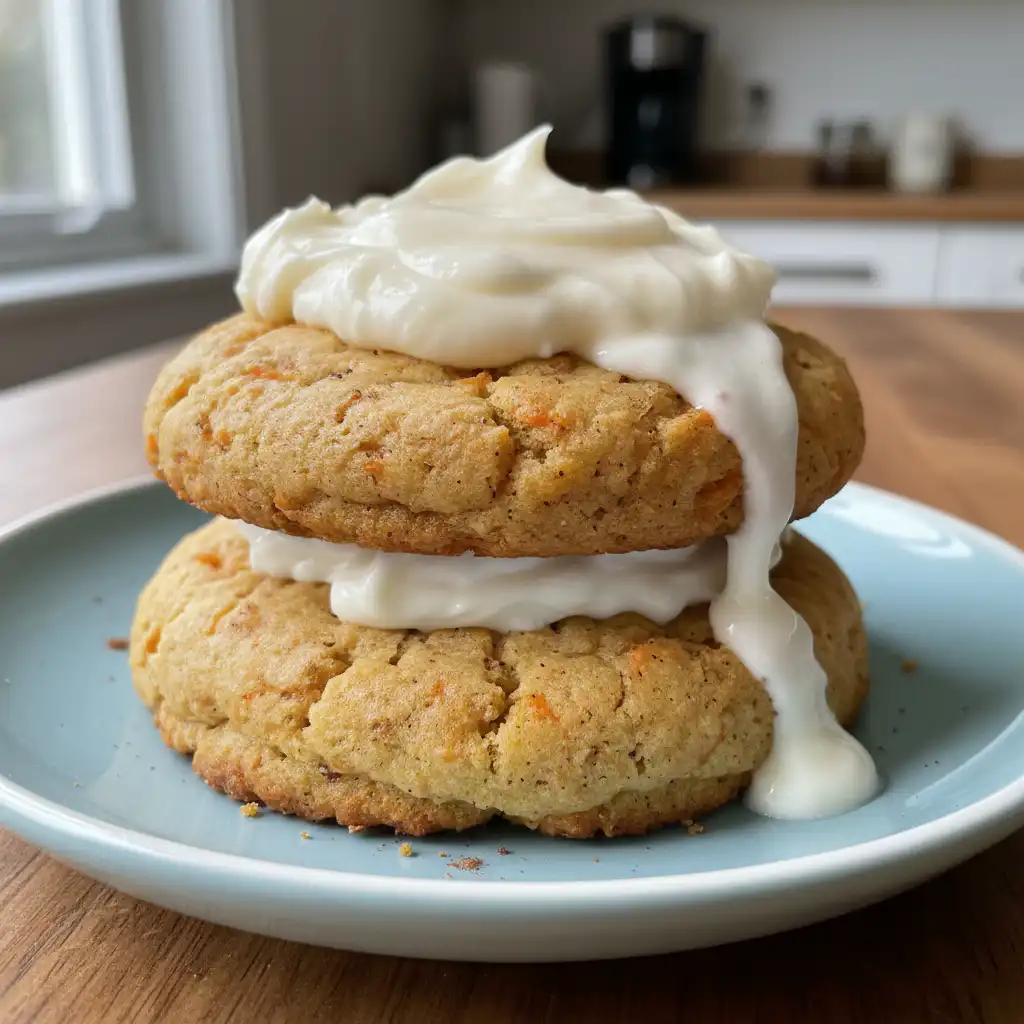
Ultimate Carrot Cake Cookies with Candied Ginger & Brown Butter Frosting
Ingredients
Equipment
Method
- First, preheat your oven to 350 degrees Fahrenheit. Very lightly grease a baking sheet or, even better, line it with a nonstick silicone baking mat or parchment paper. This helps prevent sticking and ensures even baking.
- In a medium bowl, whisk together the flour, baking soda, salt, cinnamon, and the pinch of freshly grated nutmeg. Whisking ensures these dry ingredients are evenly distributed, which is important for the cookie’s texture and leavening.
- In a large bowl, combine the room temperature butter, sugar, and brown sugar. Using a stand mixer or an electric hand mixer, beat them together for 2-3 minutes until the mixture is light and fluffy. This step incorporates air, which contributes to the soft texture of your chewy cookies.
- Mix in the vanilla extract and large eggs one at a time, beating until just combined after each addition. Then, stir in the finely grated carrots and the 2 tablespoons of finely chopped candied ginger. Ensure everything is well distributed throughout the mixture.
- Gradually add the whisked dry ingredients to the wet ingredients. Mix on low speed or stir by hand until just incorporated. Be careful not to over-mix the batter; stop as soon as there are no more streaks of flour. Overmixing can develop the gluten too much, leading to tough, cakey cookies instead of soft cookies.
- Drop spoonfuls of cookie batter onto your prepared baking sheet. I use a large cookie scoop, about 2 tablespoons, to ensure uniform size. Space the cookies at least 2-3 inches apart to allow for spreading. Bake in the preheated oven for 10-12 minutes. The cookies are done when the edges begin to brown and the tops look dry and set. Allow them to cool on the baking sheet for about 5 minutes; this helps them set up and prevents crumbling. Then, transfer them to a cooling rack to cool completely.
- While your carrot cake cookies are cooling, prepare the brown butter cream cheese frosting. In a small saucepan, melt the butter over medium-low heat. Once melted, continue to stir over the heat for 2-4 minutes longer. You will notice the color change from pale yellow to a deep golden-brown, and a rich, nutty aroma will emerge. This is the Maillard reaction, transforming regular butter into delicious brown butter. Remove the saucepan from the heat immediately to prevent burning.
- In a large bowl, combine the softened cream cheese and the browned butter. Mix well until smooth. Gradually mix in the powdered sugar, one cup at a time, until it is completely incorporated. Finally, mix in the vanilla and milk, adding the milk 1 tablespoon at a time. Continue mixing until your desired consistency is reached; the frosting should be fluffy and easily spreadable.
- Once the carrot cake cookies are completely cooled, generously frost them with the brown butter cream cheese frosting. Store these delicious frosted carrot cake cookies in an airtight container at room temperature for up to 5 days.