
Pita bread is a classic flatbread that is simple to make and incredibly versatile. It is typically served as a part of meals, whether at breakfast, lunch, or dinner, and makes a great snack as well. The convenience of preparing pita bread at home lies in its straightforward process and the wholesome ingredients involved. With just a few basic supplies, you can whip up fresh, warm pita bread that enhances any meal. If you’re wondering how to make Pita Bread at home, this recipe provides easy steps that ensure soft, fluffy results every time.
Looking for a delightful addition to your meals? Fresh pita bread is perfect for dipping, stuffing, or savoring on its own. Follow this easy recipe to enjoy delicious homemade pita!
Why This Recipe Works
- Easy preparation with minimal effort
- Family-friendly bread that pleases everyone
- Budget-friendly ingredients
- Quick cooking time with immediate enjoyment
- Meal prep friendly; great for advanced planning
- Uses simple, staple ingredients commonly found in most kitchens
How to Make This Recipe
Ingredients
- 2 cups All purpose Flour plus 1/2 cup for dusting
- 1/2 cup Whole Wheat Flour
- 1 tbsp Sugar
- 1 tsp Salt
- 1 tbsp Olive Oil
- 2 tsp Yeast (refer notes)
- 1 cup Warm Water
Directions
- Combine all-purpose flour, wheat flour, salt, and sugar in a mixing bowl. Stir to mix.
- Add the yeast to warm water and stir to dissolve completely. Pour this into the mixing bowl along with olive oil and then combine everything into a sticky mass.
- Transfer to your worktop, dust with additional flour, and knead for 8-10 mins until you get a soft and tacky dough.
- Lightly oil the same mixing bowl. Transfer the dough into it, coat it with olive oil from all sides to refrain it from drying, and then allow it for first proofing—2 hours.
- After 2 hours, lightly deflate the gas and divide the dough into 10 equal parts. Tuck the sides in to give it a round shape. Press in the center and cover with a tea towel. Repeat the process until you shape all of them into roundels.
- Take the first dough that you shaped and roll it thinly and evenly to 6 inches in diameter. Place it on a baking tray lined with parchment paper and cover with a tea towel.
- Once you have rolled out all the roundels, allow for a second proofing—30 mins.
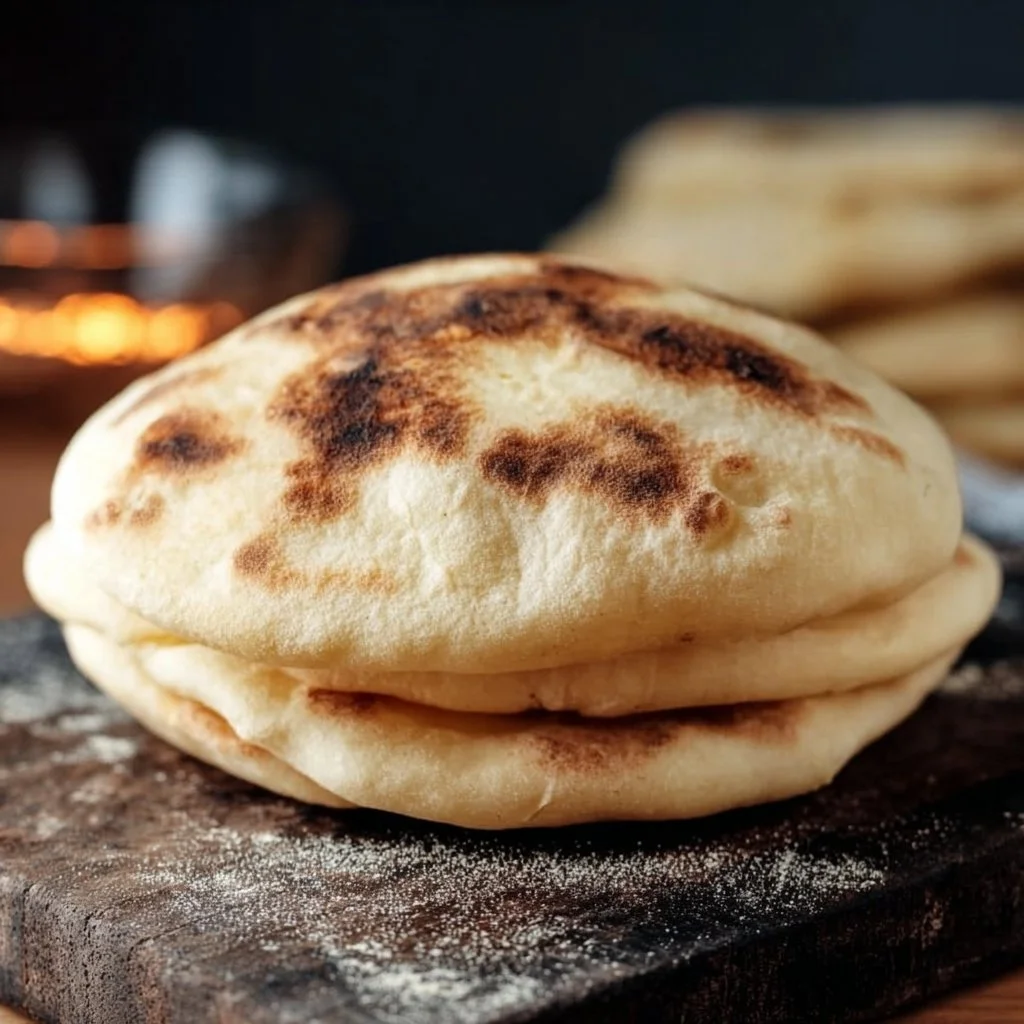
- Preheat the oven to 230 degrees Celsius with the baking stone inside. Right before baking, flip the rolled-out dough onto the stone and bake for 4-5 mins until it is nicely puffed up.
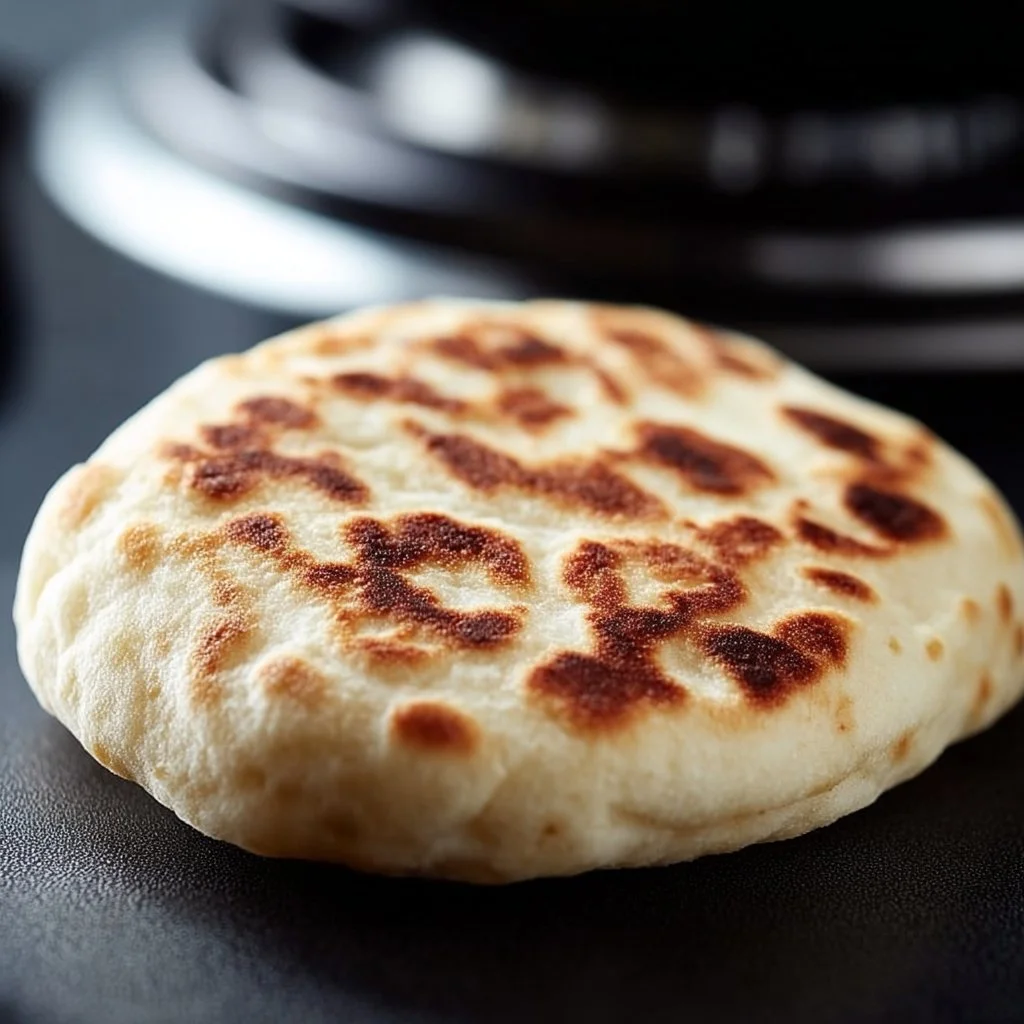
- To make it on a stovetop, ensure the skillet is hot. Flip the rolled-out dough and place it on the hot skillet. After about 20 seconds, flip the dough, and you will observe that it puffs up like a balloon in a minute. Flip it over again to cook on both sides.
- Wrap it in a tea towel as soon as it comes out of the oven or skillet to keep it soft. Pita bread tastes best when still warm.
Serving Suggestions
Pita bread is incredibly versatile and pairs well with a variety of dishes. It can be served warm with dips such as hummus or tzatziki, making it an excellent choice for appetizers or snack platters. You can also use it to wrap fillings like grilled veggies, falafel, or chicken for a satisfying lunch or dinner. Additionally, sliced pita can complement salads, offering a crunchy texture that enhances the meal.
For a delightful breakfast, consider filling pita pockets with scrambled eggs, cheese, and spinach for a nutritious start to your day. Pita bread is perfect for meal prepping too. Simply make a larger batch, and store it to layer into meals throughout the week.
Storage and Make-Ahead Tips
Prepared pita bread can easily be refrigerated for 3–4 days. Just ensure it’s stored in an airtight container to maintain freshness. If you’re looking to prolong its shelf life, freezing is also an option. Pita bread can be frozen for up to 3 months. To reheat, you can place the bread in the oven or skillet; this will restore its soft texture.
For the oven, preheat it to 175 degrees Celsius and wrap the pita in aluminum foil for about 10 minutes. If you prefer using the microwave, place the pita on a plate, cover it with a damp paper towel, and heat it for about 15-20 seconds. Stovetop reheating can be done using a skillet on low heat for just a minute on each side.
Cooking Tips
- Ensure that the water is warm but not too hot when activating the yeast; temperatures above 45 degrees Celsius can kill it.
- For extra flavor, consider incorporating herbs or spices into the dough, such as garlic powder, onion powder, or dried oregano.
- Do not skip the proofing steps; they allow the dough to rise properly, creating those lovely pockets inside the pita.
- Use a baking stone if you have one; it mimics the traditional methods used in professional bread-making.
- Avoid rolling the dough too thinly to ensure it puffs appropriately while baking or cooking.
- If you like a chewier texture, knead the dough a bit longer to develop the gluten.
- Store leftover pita with a piece of bread in the container; this helps keep them fresh and soft.
- Experiment with whole grain flours for a different flavor profile and added nutrition.
Quick Kitchen Tips
- To quickly measure sticky ingredients like honey or molasses, lightly coat the measuring cup with oil first.
- Use a pastry brush to spread olive oil evenly over the dough.
- Always check the expiration date of your yeast before using it for the best results.
- If you’re cooking on the stovetop, keep a lid handy to trap heat and help the pita puff up faster.
Recipe Variations
- Herbed Pita: Add dried herbs like rosemary or thyme to the dough for a flavorful twist.
- Whole Wheat Pita: Substitute more of the all-purpose flour with whole wheat flour for a healthier option.
- Spicy Pita: Incorporate red pepper flakes into the dough for an extra kick.
- Cheesy Pita: Mix shredded cheese into the dough or sprinkle it on top before baking.
- Gluten-Free Pita: Substitute with a gluten-free flour blend for a gluten-free version.
- Sweet Pita: Add a sprinkle of cinnamon and sugar to the dough for a sweet breakfast option.
FAQs
Can I make the dough ahead of time?
Yes, you can prepare the dough in advance. After the first proofing, store it in the refrigerator for up to a day. Allow it to come to room temperature before shaping.
Can I add toppings before baking?
Yes, toppings can be added before baking, such as seeds or herbs for added flavor. Just ensure not to overload them, so the pita can still puff up.
Why did my pita not puff up?
Several factors can prevent puffing: old yeast, insufficient proofing time, or rolling the dough too thin. Ensure the yeast is fresh and the dough is at the correct thickness.
Is there a vegan version of this recipe?
This recipe is already vegan-friendly as it contains no animal products. Just ensure the ingredients (like sugar) used are also vegan.
How can I make the dough more flavorful?
Adding spices, herbs, or even flavored oils can increase the flavor profile of your pita bread without much effort.
Conclusion
There you have it! Enjoying fresh pita bread is easier than you think when you know how to make Pita Bread at home. Not only does it enhance meals, but it also brings a sense of satisfaction knowing that you crafted it yourself. Try this recipe today and elevate your cooking repertoire while delighting family and friends with delicious, warm pita. Don’t hesitate to explore flavors and variations to make it your own!
Pita Bread
Ingredients
Method
- Combine all-purpose flour, wheat flour, salt, and sugar in a mixing bowl. Stir to mix.
- Add the yeast to warm water and stir to dissolve completely. Pour this into the mixing bowl along with olive oil and then combine everything into a sticky mass.
- Transfer to your worktop, dust with additional flour, and knead for 8-10 mins until you get a soft and tacky dough.
- Lightly oil the same mixing bowl. Transfer the dough into it, coat it with olive oil from all sides to refrain it from drying, and then allow it for first proofing—2 hours.
- After 2 hours, lightly deflate the gas and divide the dough into 10 equal parts. Tuck the sides in to give it a round shape. Press in the center and cover with a tea towel.
- Take the first dough that you shaped and roll it thinly and evenly to 6 inches in diameter. Place it on a baking tray lined with parchment paper and cover with a tea towel.
- Once you have rolled out all the roundels, allow for a second proofing—30 mins.
- Preheat the oven to 230 degrees Celsius with the baking stone inside. Right before baking, flip the rolled-out dough onto the stone and bake for 4-5 mins until it is nicely puffed up.
- To make it on a stovetop, ensure the skillet is hot. Flip the rolled-out dough and place it on the hot skillet. After about 20 seconds, flip the dough, and you will observe that it puffs up like a balloon in a minute. Flip it over again to cook on both sides.
- Wrap it in a tea towel as soon as it comes out of the oven or skillet to keep it soft.