There is something uniquely comforting about a warm stack of pancakes to start the day. If you are searching for a wholesome, easy, and satisfying breakfast that is also vegan and gluten-free, you have found the perfect recipe. These buckwheat pancakes are not just a dietary alternative; they are a truly delicious experience. I will show you how to create exceptionally fluffy, flavorful pancakes with a special twist that guarantees a tender, perfect crumb every single time. Get ready to master your new favorite plant-based breakfast.
Table of Contents
Table of Contents
Why You’ll Love This Recipe
My secret to the best buckwheat pancakes is a simple but effective twist that elevates them from good to absolutely incredible.
I add a small amount of fine oat flour to the batter. This addition provides essential structure and a softer, more delicate crumb, preventing the dryness or crumbliness that can sometimes happen with gluten-free pancakes.
A touch of maple syrup goes directly into the wet ingredients. This provides a subtle, foundational sweetness that perfectly complements the earthy notes of buckwheat, ensuring every bite is delicious even before you add toppings.
I also add an extra pinch of baking soda to the wet mixture. This reacts with the slightly acidic maple syrup and non-dairy milk, creating an extra boost of leavening that makes these pancakes exceptionally fluffy and light.
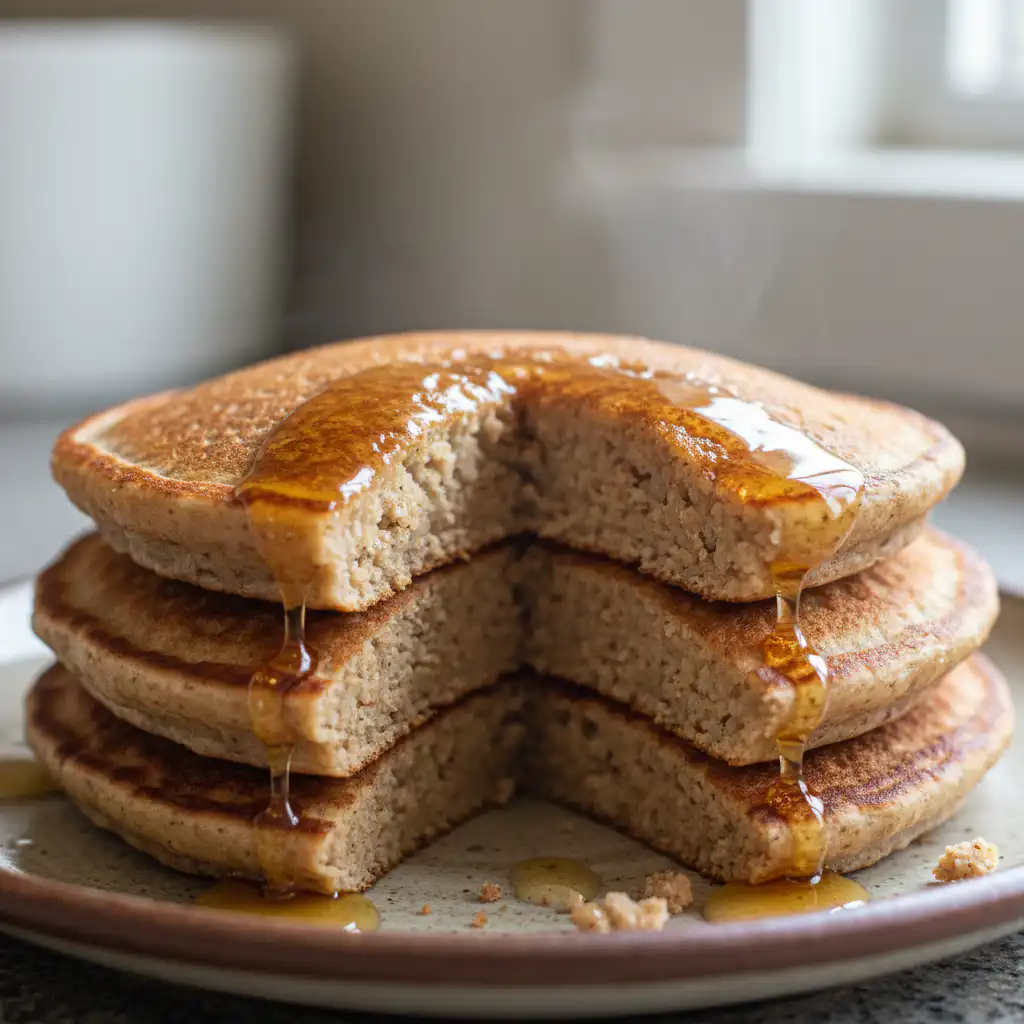
The result is a stack of nutty, wholesome, and subtly sweet pancakes with a wonderfully tender and moist texture. This recipe is consistently reliable, quick to prepare, and a definite crowd-pleaser for the whole family.
Ingredients Needed
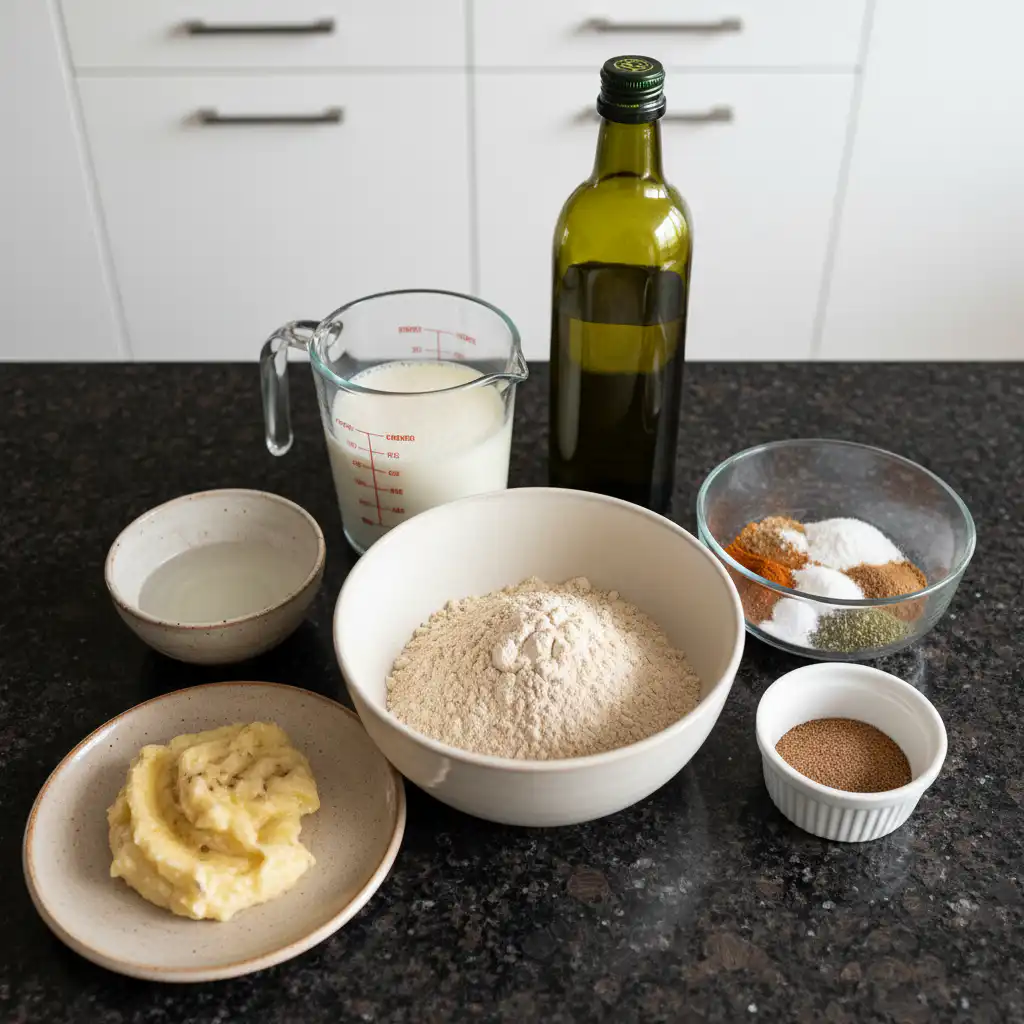
- 1 tablespoon ground flaxseed
- 1 cup unsweetened non-dairy milk
- 1 teaspoon white or apple cider vinegar
- 1 cup buckwheat flour
- 1 1/2 teaspoons baking powder
- 1/2 teaspoon baking soda
- 1/2 teaspoon ground cinnamon
- 1/4 teaspoon salt
- 1/8 teaspoon ground nutmeg
- 1 medium banana, mashed (about 1/2 cup)
- 1 tablespoon avocado oil (or other neutral oil like canola)
Ingredient Notes & Our Secret Flavor & Texture Enhancers
Buckwheat Flour: This whole grain, gluten-free flour has a wonderfully nutty and earthy flavor. I recommend using light buckwheat flour for a milder taste and smoother texture. For the freshest flour, you can even grind your own from raw buckwheat groats.
Flax Egg: A simple mixture of ground flaxseed and water creates a fantastic vegan egg substitute that helps bind the pancakes together.
Non-Dairy Milk: If you are wondering how to make pancakes without milk, combining unsweetened non-dairy milk with vinegar creates a vegan buttermilk effect, which helps make the pancakes tender. Unsweetened almond milk works for a neutral flavor, while oat milk adds a touch more creaminess.
Mashed Banana: Similar to our 3-ingredient banana pancakes, this adds natural sweetness and moisture. If you need a substitute, you can use an equal amount of unsweetened applesauce or pumpkin puree.
Avocado Oil: This is a great neutral oil that will not overpower the other flavors. Other neutral oils like canola oil work perfectly as well.
Our Unique Twist Enhancers: For the superior fluffiness and tenderness I described, I highly recommend adding three extra ingredients. Add 1/4 cup fine oat flour to the dry ingredients for structure. Whisk 1 tablespoon maple syrup and an additional pinch of baking soda into the wet ingredients to boost the flavor and the rise.
How to Make Your Best Buckwheat Pancakes
Prepare the Flax Egg & Vegan Buttermilk
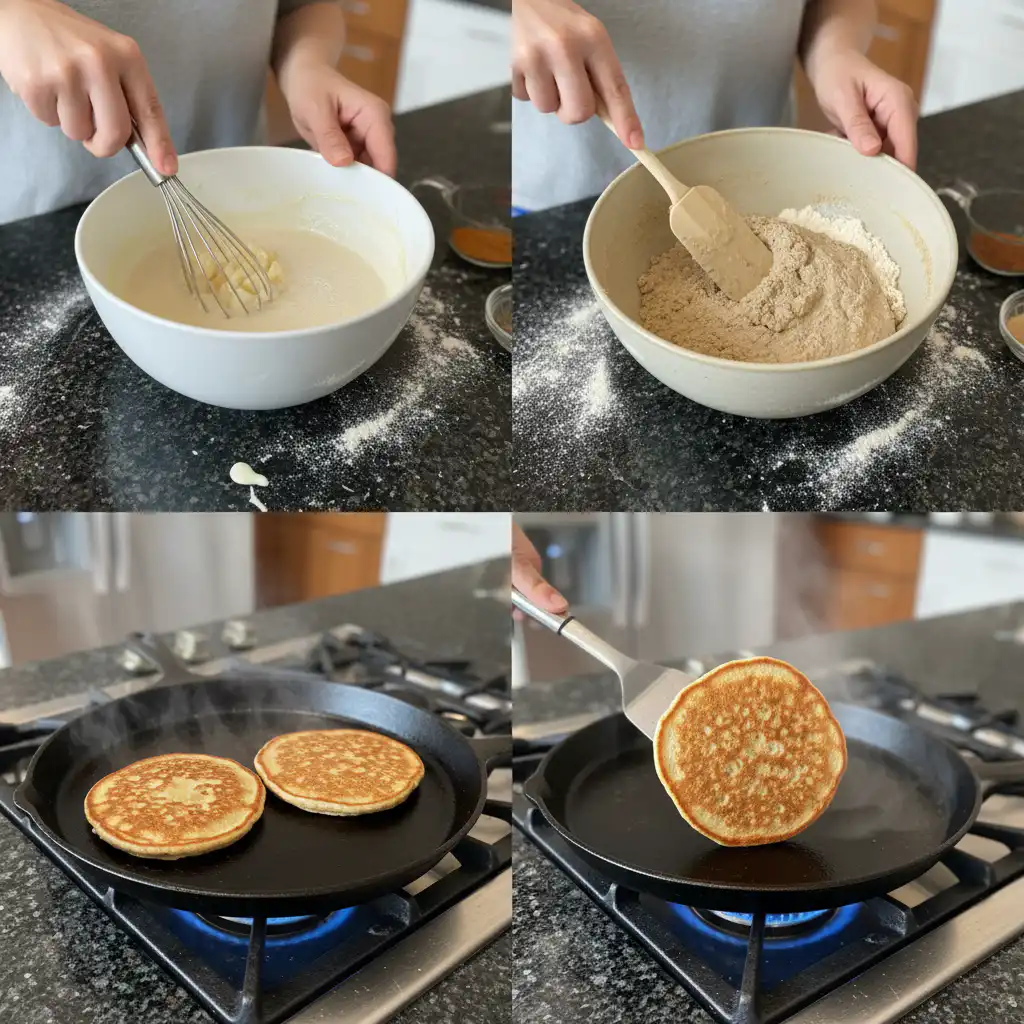
In a small bowl, combine the ground flaxseed with 2 1/2 tablespoons of water to make your flax egg. Stir it well and set it aside for about 5 minutes to thicken. In a separate medium bowl, stir together the non-dairy milk and vinegar. Let this mixture also sit for 5 minutes to curdle slightly, creating your vegan buttermilk.
Combine Dry Ingredients
In a large bowl, whisk together the buckwheat flour, baking powder, baking soda, cinnamon, salt, and nutmeg. If you are following my unique twist for extra fluffiness, this is where you will add and whisk in the 1/4 cup of fine oat flour.
Mix Wet Ingredients
To the bowl containing your vegan buttermilk, add the thickened flax egg, mashed banana, and oil. Whisk everything together until it is well combined. For my signature fluffy pancakes, this is also the stage to whisk in the 1 tablespoon of maple syrup and the extra pinch of baking soda, enhancing both flavor and rise.
Combine Wet and Dry, Then Rest
Slowly pour the wet ingredients into the bowl of dry ingredients. Stir gently with a spatula or spoon until everything is just combined. A few small lumps are perfectly fine; be careful not to overmix. Let the finished batter rest for at least 5 minutes. This allows the flours to hydrate, resulting in lighter, fluffier pancakes.
Cook the Pancakes
Heat a lightly greased griddle or non-stick skillet over medium heat. Drop 1/4-cup portions of the batter onto the hot surface. Cook for about 5 minutes on the first side. You will know it is time to flip when you see bubbles forming across the surface and the edges look set and slightly dry. Flip and cook for another 5 minutes on the other side, until lightly browned.
Serve Warm
Repeat the cooking process until all the batter is used. Serve your delicious buckwheat pancakes immediately with your favorite toppings.
Mastering Your Griddle for Perfect Pancakes
Getting the Temperature Just Right
The right heat is crucial for perfect pancakes. If you are using an electric griddle, aim for a temperature between 300 and 325 degrees Fahrenheit. For a stovetop skillet on a gas or electric range, a low-medium setting is best. To test if your pan is ready, flick a drop of water onto the surface. It should sizzle and evaporate within a few seconds. Cooking over consistent, moderate heat prevents sticking and ensures the inside cooks through without burning the outside.
The Art of the Flip: Visual Cues for Doneness
Knowing when to flip is an art. The most reliable visual cue is the formation of bubbles across the surface of the pancake, especially towards the center. You will also notice the edges begin to look set and slightly dry. At this point, the underside should be a beautiful golden brown. Flipping too early can cause the pancake to tear, while flipping too late can result in a burnt exterior and a raw center.
Preventing Sticking and Ensuring Even Cooking
To prevent sticking, make sure your griddle or cast iron pan is properly greased with a neutral oil like avocado oil before you add the batter. Maintain a consistent heat level throughout the cooking process. Also, avoid overcrowding the pan. Giving each pancake enough space ensures even heat distribution and makes flipping much easier.
Pro Tips & Troubleshooting
Pro Tips for Ultimate Fluffiness
Rest Your Batter: I cannot stress this enough. Letting the batter rest for 5 to 10 minutes allows the gluten-free flours to fully absorb the liquid, which is the key to a lighter, fluffier pancake.
Use Light Buckwheat Flour: If you are new to buckwheat or prefer a less intense flavor, choose light buckwheat flour. It provides a milder taste and a smoother texture.
Proper Flour Measurement: To avoid dense pancakes, measure your flour correctly. Instead of scooping directly from the bag, use a spoon to fill your measuring cup and then level it off with a straight edge.
Don’t Overmix: Mix the batter only until the wet and dry ingredients are just combined. Overmixing can develop a gummy texture in gluten-free pancakes.
Meal Prep Smart: For easy mornings, you can prepare the dry ingredient mix in advance and store it in an airtight container. This recipe is also perfect for meal prep; make a double batch to enjoy throughout the week.
Embrace the Twist: Remember, incorporating the oat flour, maple syrup, and extra pinch of baking soda is the key to achieving the softest, most tender results I have promised in this article.
Common Mistakes to Avoid
Skipping the Batter Rest: If you skip the rest period, your pancakes will likely be denser and less fluffy because the flour has not had time to hydrate.
Too High Heat: Cooking pancakes on high heat is a common mistake. This causes the outside to burn before the inside is cooked, leading to a gummy center and making them more likely to stick.
Overmixing the Batter: Vigorously stirring the batter can make your final pancakes tough and chewy rather than light and tender.
Incorrect Banana Ripeness: Use a banana that is ripe with some brown spots but still firm. A very green banana will not be sweet enough, while an overly mushy one can make the batter too wet.
Ignoring Flour Type: If you are not a fan of a strong, earthy flavor or a slightly grainy texture, avoid using dark buckwheat flour for this recipe.
Serving & Storage
Creative Serving Ideas
These buckwheat pancakes are a wonderful canvas for all sorts of toppings. For a classic approach, serve them with pure maple syrup, fresh sliced banana, and a handful of berries like blueberries or defrosted strawberries. For a heartier breakfast, add a scoop of your favorite nut butter and some chopped walnuts or pecans. If you are feeling decadent, a sprinkle of dark chocolate shavings is delightful. I also love them with a spoonful of 100% fruit cherry jam and a cup of cold brew coffee on the side.
Storage and Make-Ahead for Busy Mornings
This recipe is perfect for meal prep breakfasts. You can store cooked and cooled pancakes in an airtight container in the refrigerator for up to 4 days. For longer storage, they freeze beautifully. Place them in a single layer on a baking sheet to freeze, then transfer them to a freezer-safe bag with small squares of parchment paper between each one to prevent sticking. They will last for up to 3 months in the freezer.
To reheat, simply pop them in the toaster, toaster oven, or microwave until warmed through. They will taste just as fresh and tender as the day you made them.
Conclusion
With this simple recipe, you can confidently create a wholesome and delicious plant-based breakfast. These vegan, gluten-free buckwheat pancakes are exceptionally fluffy and flavorful, thanks to the unique twist of adding a little oat flour and maple syrup. The detailed steps and tips ensure that even a novice cook can achieve a perfect stack every time. I encourage you to experiment with different toppings and make this recipe your own. Please feel free to share your creations or comment with your favorite ways to serve them!
Frequently Asked Questions
Is buckwheat flour gluten-free, and what are its nutritional benefits?
Yes, buckwheat is naturally gluten-free. Despite its name, it is not a type of wheat but rather a pseudocereal. It is a fantastic whole grain source of plant-based protein, dietary fiber, and essential minerals like magnesium and manganese, which support heart health and digestion.
Can I make substitutions for the banana or flax egg in this recipe?
Absolutely. You can substitute the mashed banana with an equal amount of unsweetened applesauce or pumpkin puree. If you are not following a strictly vegan diet, one regular egg can be used in place of the flax egg.
How do I ensure my buckwheat pancakes are fluffy and don’t stick?
For maximum fluffiness, let the batter rest, do not overmix, and consider my unique twist with oat flour and an extra pinch of baking soda. To prevent sticking, use a properly greased griddle set to the correct temperature, around 300 to 325 degrees Fahrenheit or a consistent low-medium heat.
What are the best ways to store and reheat leftover buckwheat pancakes?
Store leftover pancakes in an airtight container in the refrigerator for up to 4 days. For longer storage, freeze them for up to 3 months with parchment paper between layers. The best way to reheat them is in a toaster or toaster oven, which helps them stay tender without getting soggy.
Can I use this batter to make buckwheat waffles, and do I need to make any adjustments?
Yes, this batter works very well for making waffles. The only adjustment needed is the cooking method. Use a preheated and well-greased waffle iron according to its instructions. For extra crispy waffles, you might consider adding an extra half-tablespoon of oil to the batter.
What type of non-dairy milk should I use for the best flavor and texture?
I recommend using unsweetened almond milk for a clean, neutral flavor that lets the buckwheat shine. For a richer, creamier pancake, unsweetened oat milk is an excellent choice. I suggest avoiding milks with strong added flavors that might clash with the nutty taste of the pancakes.
Why do my gluten-free pancakes taste bland or too earthy/dense?
If your pancakes taste bland, ensure your spices are fresh and your banana is ripe. Incorporating my maple syrup twist also adds a wonderful foundational sweetness. To combat an overly earthy flavor, use light buckwheat flour instead of dark. To avoid dense pancakes, be sure not to overmix the batter, let it rest, and use the correct low-medium cooking heat.
What are the best toppings and serving suggestions for these pancakes?
Popular and delicious toppings include pure maple syrup, fresh berries, sliced bananas, and a sprinkle of chopped nuts like walnuts or pecans. A dollop of your favorite nut butter also adds protein and flavor. For a complete breakfast experience, I love pairing them with a cup of coffee.
Fluffy Vegan Buckwheat Pancakes
Ingredients
Equipment
Method
- In a small bowl, combine the ground flaxseed with 2 1/2 tablespoons of water to make your flax egg. Stir it well and set it aside for about 5 minutes to thicken.
- In a separate medium bowl, stir together the non-dairy milk and vinegar. Let this mixture also sit for 5 minutes to curdle slightly, creating your vegan buttermilk.
- In a large bowl, whisk together the buckwheat flour, baking powder, 1/2 teaspoon baking soda, cinnamon, salt, and nutmeg.
- If you are following my unique twist for extra fluffiness, this is where you will add and whisk in the 1/4 cup of fine oat flour.
- To the bowl containing your vegan buttermilk, add the thickened flax egg, mashed banana, and oil. Whisk everything together until it is well combined.
- For my signature fluffy pancakes, this is also the stage to whisk in the 1 tablespoon of maple syrup and the extra pinch of baking soda, enhancing both flavor and rise.
- Slowly pour the wet ingredients into the bowl of dry ingredients. Stir gently with a spatula or spoon until everything is just combined. A few small lumps are perfectly fine; be careful not to overmix.
- Let the finished batter rest for at least 5 minutes. This allows the flours to hydrate, resulting in lighter, fluffier pancakes.
- Heat a lightly greased griddle or non-stick skillet over medium heat.
- Drop 1/4-cup portions of the batter onto the hot surface. Cook for about 5 minutes on the first side. You will know it is time to flip when you see bubbles forming across the surface and the edges look set and slightly dry.
- Flip and cook for another 5 minutes on the other side, until lightly browned.
- Repeat the cooking process until all the batter is used. Serve your delicious buckwheat pancakes immediately with your favorite toppings.