
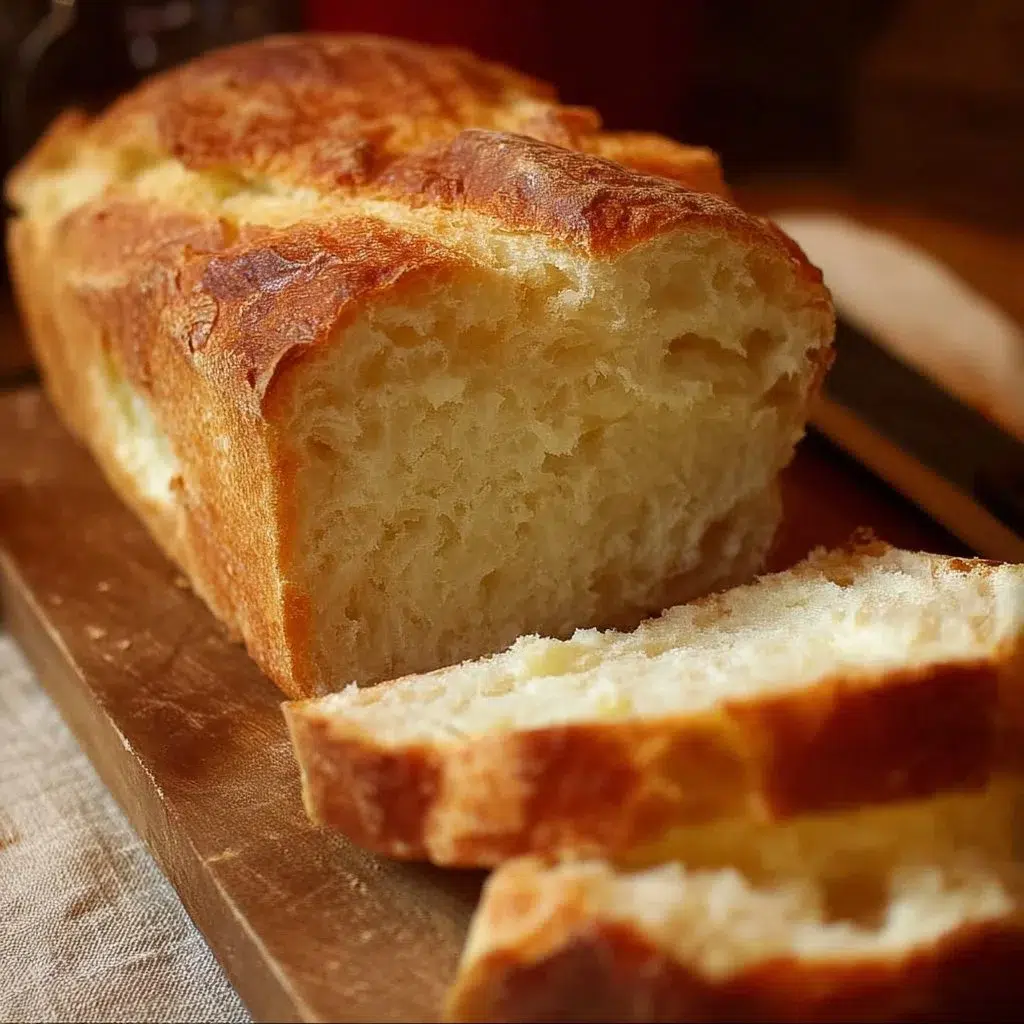
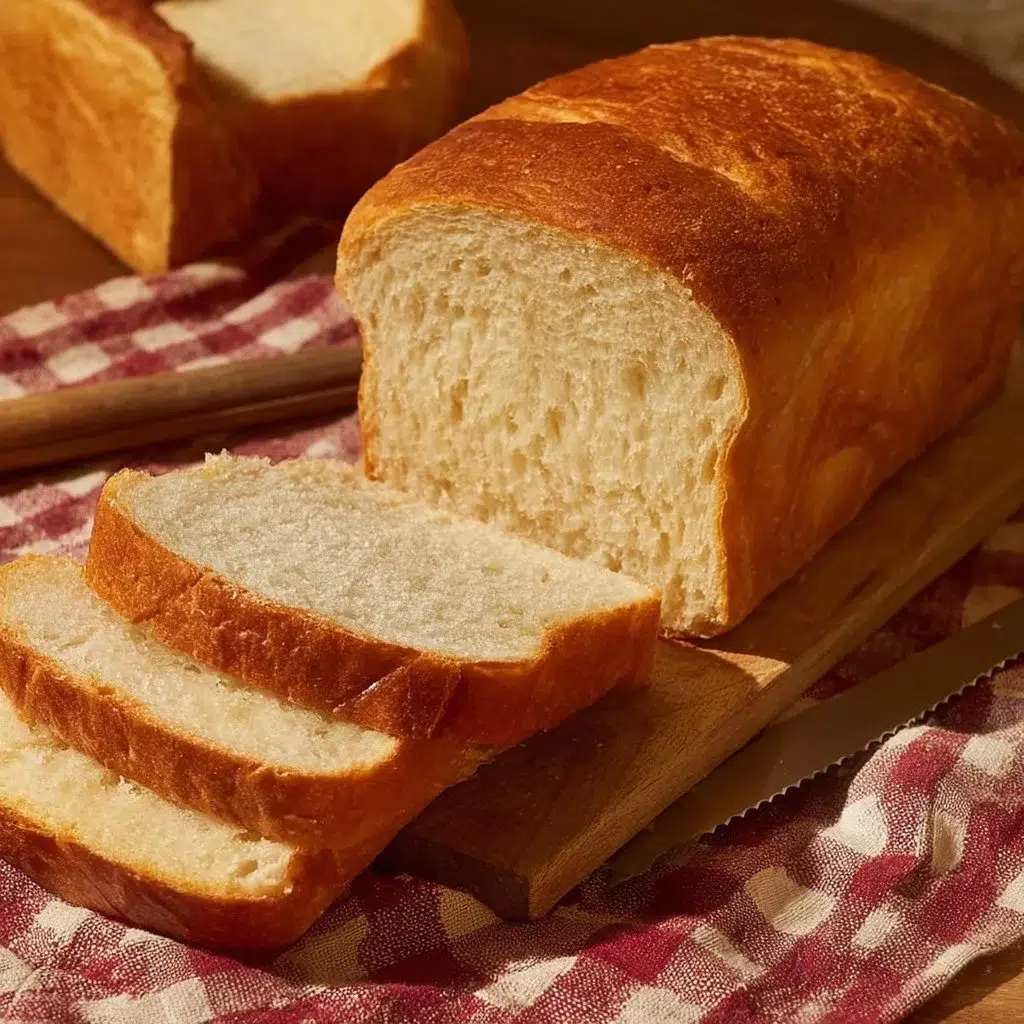
Buttermilk bread is a deliciously tender and moist loaf that’s perfect for any time of day. Whether you’re serving it at breakfast with butter and jam or using it as the base for a hearty lunch sandwich, this bread is versatile and practical. The unique tang from the buttermilk provides a wonderful flavor, while the dough is easy to work with, making it a great choice for bakers of all skill levels. Plus, the recipe yields enough to share, making it ideal for meal prep or gatherings. Enjoy the rich taste of homemade buttermilk bread, and discover just how simple it can be. You may also find 1 Ultimate Moist Banana Bread Easy Delicious useful.
Buttermilk bread is truly an irresistible choice for any bread lover. It is sure to impress your family and friends, whether served on its own or as part of a delightful meal.
Why This Recipe Works
- Easy preparation
- Family friendly
- Budget friendly
- Quick cooking
- Meal prep friendly
- Simple ingredients
How to Make This Recipe
Ingredients
- 1 packet dry instant yeast
- 2 teaspoons salt
- 4 1/2 cups bread or all-purpose flour, divided
- 1/4 cup granulated sugar
- 1 3/4 cups full-fat buttermilk
- 1/2 cup unsalted butter, (1 stick) divided
Directions
- Add the yeast, salt, and 2 cups of the flour to the bowl of a stand mixer fitted with the hook attachment. Lightly whisk the ingredients together and set aside.
- Add the sugar, buttermilk, and 6 tablespoons of the butter to a small saucepan. Mix and heat over medium heat until the mixture is very warm (110 to 115 degrees). The butter does not have to be totally melted. Remove from heat. Make sure it’s no hotter than 115 degrees before adding it to the mixing bowl.
- Add the buttermilk mixture to the mixing bowl and beat on low speed just until combined. Increase the mixer to medium speed and beat for 2 minutes, scraping down the sides of the bowl with a spatula as needed.
- Add 1 cup of the flour and beat on medium speed for 2 minutes, scraping down the sides of the bowl as needed. Add an additional 1 1/4 cups of flour to the mixing bowl and beat on low speed just long enough to incorporate the flour.
- Turn the mixer to high and beat with the dough hook for about 3 minutes. The dough should be stiff but smooth and elastic and should pull away from the sides of the bowl and cling to the dough hook and center of the bowl.
- Transfer the dough to a lightly floured work surface. If the dough is sticky, add additional flour as needed, up to about 1/8 cup. Try not to use any more flour than is needed to be able to handle the dough. Form the dough into a ball and place it in a large greased bowl. Turn the dough over once to ensure that both sides of the dough are greased.
- Place a towel over the bowl and transfer it to a warm oven. Allow the dough to rise for 1 hour or until doubled in size. Remove from the oven.
- Punch down the dough. Transfer the dough to a lightly floured surface. Divide the dough in half with a sharp knife or a bench scraper. Cover the dough with a towel and allow it to rest for about 10 minutes.
- Using a rolling pin, roll each half into a rectangle. Starting at a short end, roll each piece of dough into a cylinder (like a jelly roll). Pinch the seam and ends and turn the ends under.
- Place the two dough cylinders, seam sides down, into 2 greased loaf pans, 8 1/2″ x 4 1/2″. Transfer the pans to a warm oven and cover with a towel. Allow the dough to rise for 1 hour or until doubled in size. Remove from the oven.
- Preheat oven to 375 degrees. Melt the remaining 2 tablespoons of butter.
- Using a sharp knife, cut a long line on the top of the dough, cutting 1/4 inch deep, the entire length of the dough. Brush the tops of the loaves with half of the melted butter.
- Transfer the loaves to the center rack of the preheated oven, making sure the pans are at least 2 inches apart. Bake the loaves for approximately 30 minutes or until they are golden brown on top and are slightly pulling away from the sides of the pans. If the loaves start to brown too quickly on top, loosely place a piece of foil over them.
- Remove from the oven. Allow the loaves to cool for 5 minutes. Brush them with the remaining melted butter. Transfer loaves to a wire rack to cool.
- Store bread loaves in an airtight container or plastic bag. Bread is best if eaten within 2 days. Bread can be frozen for up to 1 month if wrapped securely.
Serving Suggestions
Buttermilk bread makes a delightful addition to any meal. It pairs beautifully with a variety of soups, complementing their flavors while providing a warm, comforting texture. Serve slices toasted with a pat of butter and a drizzle of honey for a simple yet indulgent breakfast option. Whether enjoyed as a side or used for sandwiches, the versatility of this bread knows no limits.
In addition to serving buttermilk bread with soups, consider pairing it with fresh salads for a balanced meal. The light, fluffy texture of the bread also works wonderfully for lunch sandwiches loaded with veggies and proteins. You can easily create gourmet sandwiches that are satisfying and packed with flavor.
Storage and Make-Ahead Tips
Buttermilk bread can be stored in the refrigerator for 3–4 days if kept in an airtight container. To maintain its freshness, ensure it’s well covered to avoid drying out. If you want to prolong its life, freezing is a fantastic option; the bread can be frozen for up to 3 months. Just ensure it is securely wrapped to prevent freezer burn.
When you’re ready to enjoy frozen slices, you can simply reheat them using a toaster, microwave, or conventional oven. For the best results, especially if reheating the entire loaf, consider using the oven to retain the delightful texture of the bread.
Cooking Tips
- Ensure your buttermilk is at the right temperature; warm it gently to activate the yeast effectively.
- Use a kitchen scale to measure flour accurately, which can help with the dough’s consistency.
- Don’t rush the rising times; allowing the dough to rise adequately is crucial for a fluffy texture.
- Be cautious with additional flour; using too much can lead to a dense loaf.
- Experiment with adding herbs or spices to the dough for unique flavor variations.
- For a rich crust, consider brushing the dough with milk before baking.
- Always check for doneness; the bread should sound hollow when tapped on the bottom.
- Allow the bread to cool completely before storing to prevent condensation.
Quick Kitchen Tips
- Keep a measuring cup specifically for liquids to avoid cross-contamination of ingredients.
- Use plastic wrap to cover dough during rising to avoid a crust from forming.
- Preheat your oven a few minutes before baking for consistent results.
- Have all ingredients ready before you begin to streamline the cooking process.
Recipe Variations
- Herbed Buttermilk Bread: Add dried herbs like rosemary or thyme for a savory twist.
- Whole Wheat Buttermilk Bread: Substitute half the all-purpose flour with whole wheat flour for added nutrition.
- Sweetened Buttermilk Bread: Incorporate cinnamon or nutmeg for a hint of sweetness.
- Cheesy Buttermilk Bread: Mix in shredded cheese for a deliciously cheesy version.
- Chili Buttermilk Bread: Add chopped jalapeños or chili flakes for spice.
- Berry Buttermilk Bread: Fold in fresh or dried berries for a fruity variation.
FAQs
1. Can I use low-fat buttermilk instead of full-fat?
Yes, you can use low-fat buttermilk, but the texture and flavor may be slightly different than using full-fat buttermilk.
2. What if I don’t have bread flour?
You can substitute all-purpose flour if you do not have bread flour on hand. The texture may not be as chewy, but the bread should still turn out fine.
3. How can I tell when the bread is done baking?
The bread is done when it is golden brown on the top and sounds hollow when tapped on the bottom. Using an instant-read thermometer to check for an internal temperature of about 190°F can also help.
4. Can I make this bread without a stand mixer?
Yes! You can easily mix and knead the dough by hand; just be prepared to put in some extra elbow grease.
5. How can I add toppings to the bread?
If you want toppings, you can sprinkle seeds or oats on top of the dough before the second rise for added texture and flavor.
Conclusion
Buttermilk bread is a delightful treat that brings comfort and flavor to any meal. Its ease of preparation and versatility make it a perfect choice for both experienced bakers and newcomers.
Buttermilk Bread
Ingredients
Method
- In a bowl of a stand mixer fitted with the hook attachment, add the yeast, salt, and 2 cups of flour. Lightly whisk and set aside.
- In a small saucepan, mix the sugar, buttermilk, and 6 tablespoons of butter. Heat over medium until warm but not more than 115°F.
- Add the warm buttermilk mixture to the mixing bowl and beat on low speed until combined. Increase speed to medium and beat for 2 minutes.
- Add 1 cup of flour and beat for another 2 minutes. Then add an additional 1 1/4 cups flour and mix on low until incorporated.
- Switch to high speed and beat with the dough hook for about 3 minutes until the dough is smooth and elastic.
- Transfer the dough to a lightly floured surface, and if sticky, add flour as needed. Form into a ball and place in a greased bowl.
- Cover with a towel and place in a warm oven. Allow to rise for 1 hour or until doubled in size.
- Punch down the dough, divide in half, cover, and let rest for 10 minutes.
- Roll each piece into a rectangle, then roll into a cylinder. Pinch seams and ends.
- Place in greased loaf pans, seam sides down. Cover and let rise again in a warm oven for 1 hour.
- Preheat oven to 375°F. Melt the remaining 2 tablespoons of butter.
- Cut a long line on top of each loaf. Brush with half of the melted butter.
- Bake loaves for approximately 30 minutes until golden brown and sound hollow when tapped.
- Remove from oven, brush with remaining melted butter, and let cool on a wire rack.