
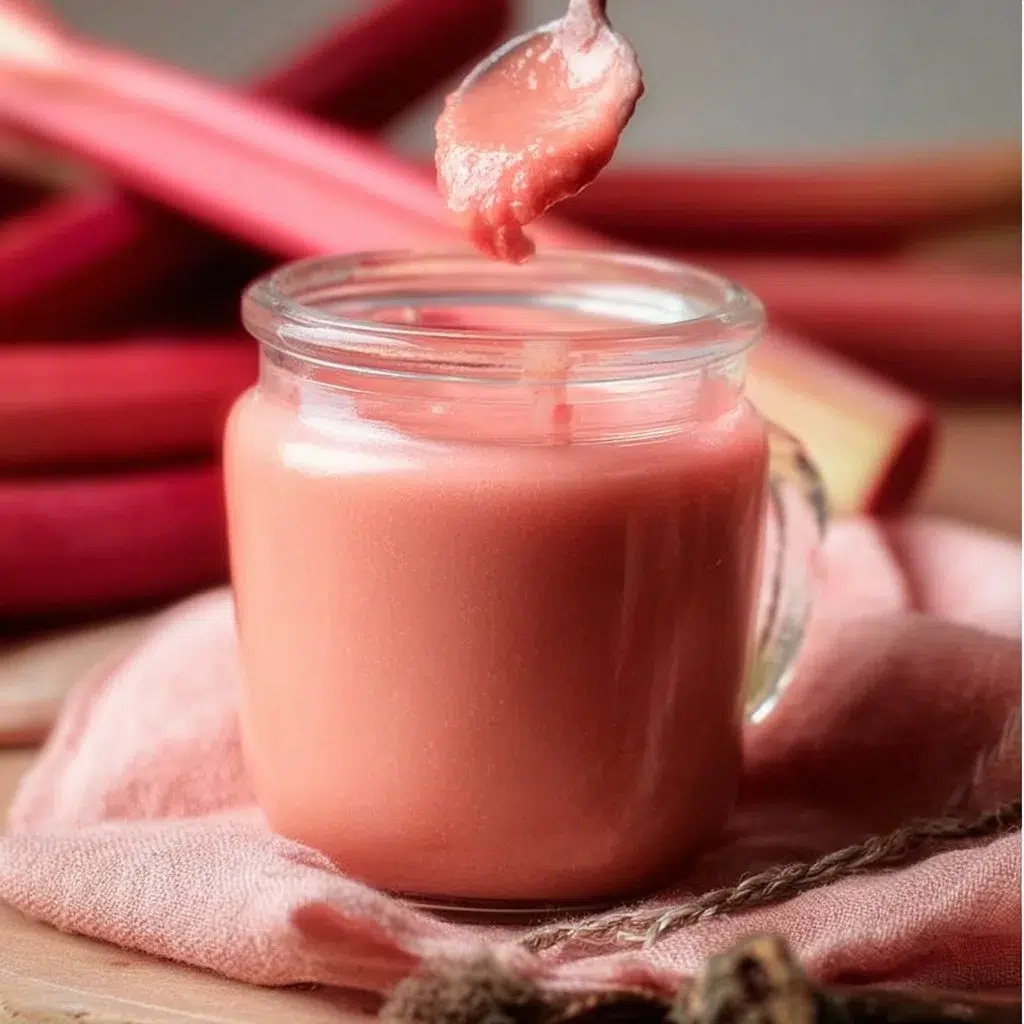
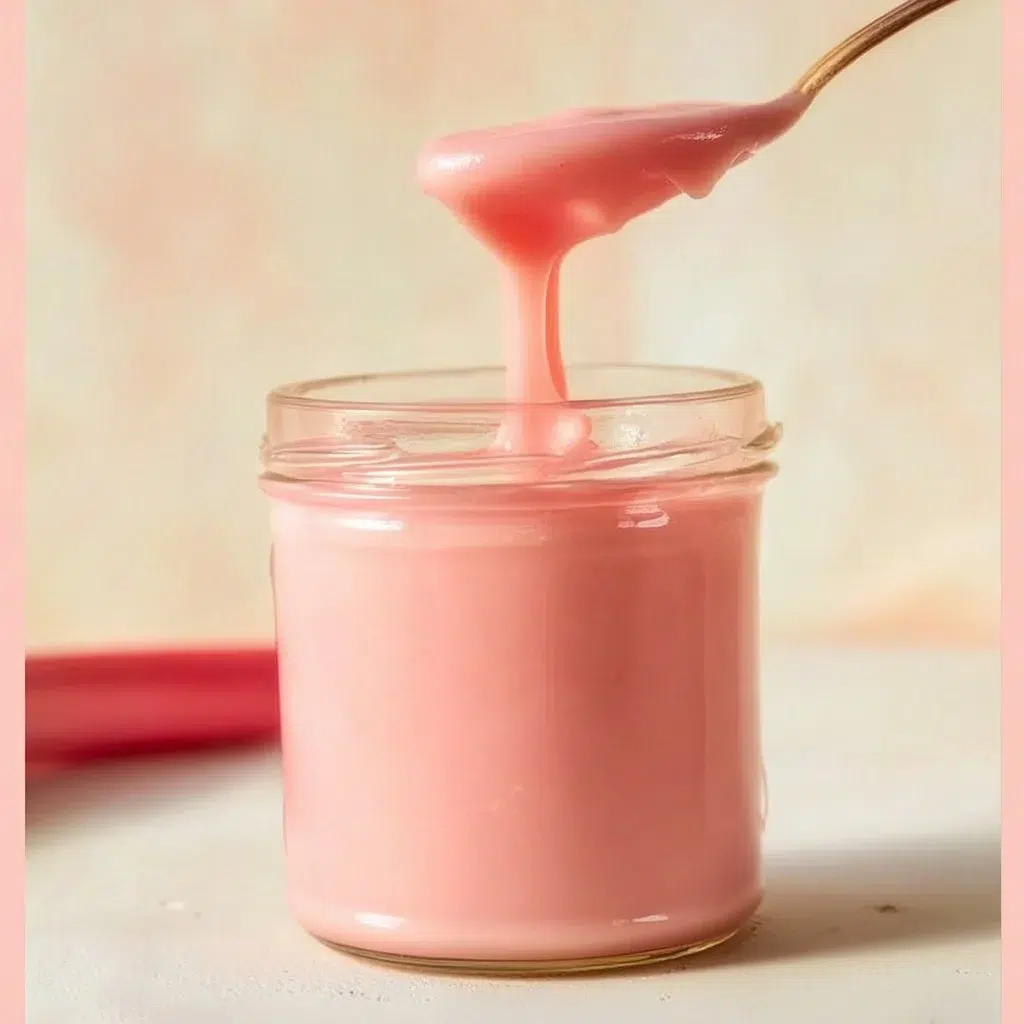
Rhubarb curd is a delightful and tangy spread that can elevate many dishes. With vibrant color and a unique flavor, it’s perfect for breakfast, lunch, or even as a special snack. This recipe is perfect for anyone looking to make something special yet practical without demanding too much time or effort in the kitchen. Preparing rhubarb curd is easy; it requires only a few ingredients and is quick to make, making it an accessible treat for both novice and experienced cooks alike. Best of all, you can enjoy this versatile curd on toast, pancakes, or as a layered dessert.
This purée of rhubarb is not only visually appealing but also packs a punch in flavor, making it an excellent addition to the culinary repertoire.
Why This Recipe Works
- Easy preparation
- Family friendly
- Budget friendly
- Quick cooking
- Meal prep friendly
- Simple ingredients
How to Make This Recipe
Ingredients
- 3 cups (375g) red rhubarb, thinly sliced
- 1 tablespoon water
- ½ cup (100g) sugar, plus more to taste if required (preferably organic evaporated cane sugar)
- 3 large eggs
- Pinch of salt
- ¼ cup (57g) butter
- ½ teaspoon vanilla
- Optional: a bit of dehydrated powdered strawberry, raspberry, hibiscus, or beet to color the curd if your rhubarb is more green than pink
Directions
- Put the rhubarb into a small saucepan with the water. 1 tablespoon doesn’t seem like much water, but you just need enough to moisten the bottom of the pot so it doesn’t burn in the first minute or two until the rhubarb starts releasing its own water. Stir it often until there’s enough liquid in the pot so the rhubarb can cook in its own juices. Bring it to a boil, then reduce the heat to medium-low, cover, and cook it, stirring occasionally, until the rhubarb is soft and broken down (about 8 to 10 minutes).
- Purée the cooked rhubarb with an immersion blender or in a standard blender until smooth (I find if I purée it in my high-speed blender, I don’t need to strain the curd after cooking).
- Return the rhubarb purée to a clean saucepan and allow it to cool.
- Add in the sugar, eggs, and salt, and whisk well until smooth.
- Put the saucepan back onto medium to medium-high heat and cook, stirring constantly, just until the rhubarb curd thickens and comes to a boil. It will be slightly thickened, but will thicken more as it chills.
- Remove from the heat and stir in the butter and vanilla until the butter is melted. Allow it to cool, stirring occasionally so a skin doesn’t form on top. If you prefer a smoother curd, pass it through a fine-meshed sieve (in case you have small bits of egg you want to remove or your blender didn’t get it smooth enough).
- Chill the curd for at least 3 to 4 hours before serving (unless you want it to be warm on top of pancakes or ice cream).
- Store in the refrigerator for up to 2 weeks. Makes approximately 2¼ cups (550ml).
Serving Suggestions
Rhubarb curd is incredibly versatile and can be enjoyed in a myriad of ways. Spread it generously on warm, buttered toast for a delightful breakfast treat. Alternatively, it pairs beautifully with yogurt or cottage cheese, adding that tangy twist to your morning bowl. Use it as a filling for pastries or tarts, where the tartness of rhubarb complements sweet elements perfectly.
For an elegant dessert, layer rhubarb curd with whipped cream and fresh berries. Not only does this combination look stunning, but the contrasting textures and flavors will appeal to everyone at your table. You might even consider serving it over pancakes or waffles drizzled with maple syrup for a breakfast everyone will enjoy.
Storage and Make-Ahead Tips
Rhubarb curd can be stored in the refrigerator for about 3 to 4 days. If you’re looking to keep it longer, it can be frozen for up to three months. Just ensure that it is in an airtight container to prevent freezer burn. When you’re ready to use frozen curd, simply let it thaw overnight in the refrigerator. For reheating, use either the microwave in short bursts or gently warm it on the stovetop, being careful not to allow it to boil.
Cooking Tips
- Ensure the rhubarb is fresh; the better the quality of the rhubarb, the more flavorful your curd will be.
- If your curd is too thin, return it to the heat and cook a little longer while stirring continuously.
- Taste the mixture before chilling; if you prefer a sweeter curd, feel free to add more sugar to suit your liking.
- For a varied flavor profile, try adding herbs like fresh mint or basil during cooking for an unexpected twist.
- Pay attention to the cooking time to prevent the curd from becoming grainy due to overcooking.
- When straining, press down gently with a spatula to extract as much thickened curd as possible without ruining the texture.
Quick Kitchen Tips
- Always pre-measure your ingredients for a smoother cooking experience.
- Use the highest quality eggs you can find for the best flavor and texture.
- A clean kitchen space makes for less chaos and quicker cooking.
- Keep a bowl of ice water handy while cooking to cool down ingredients rapidly.
Recipe Variations
- Healthy: Replace the white sugar with honey or maple syrup for a healthier sweetening choice.
- Spicy: Add a pinch of ginger or cayenne pepper for a surprising heat that complements the flavor.
- High-protein: Substitute some of the eggs with Greek yogurt to boost the protein content while keeping the texture creamy.
- Vegetarian: This recipe is already vegetarian-friendly, but you can substitute butter with coconut oil for a dairy-free version.
- Fruit Fusion: Mix in other fruits, such as strawberries or peaches, to diversify the flavor profile of your curd.
FAQs
1. Can I use frozen rhubarb for this recipe?
Yes, you can use frozen rhubarb. Just thaw it first and drain any excess water before proceeding with the recipe.
2. How can I adjust the sweetness of the rhubarb curd?
Taste the mixture after adding sugar and adjust as needed. You can always add more sugar to suit your preferences.
3. Can I use a different type of sugar?
Absolutely! You can substitute white sugar with alternative sweeteners such as coconut sugar, honey, or agave syrup; just consider their sweetening power when measuring.
4. Will the color of the curd change if my rhubarb is green?
The color may be less vibrant with green rhubarb. You may add dehydrated powdered fruit to achieve the desired pink color if preferred.
5. How should I store leftover rhubarb curd?
Store it in an airtight container in the refrigerator for up to 2 weeks or freeze it for up to 3 months for long-term preservation.
In conclusion, rhubarb curd is more than just a flavorful treat; it offers versatility and an opportunity to showcase this unique fruit. Whether you’re slathering it on toast or incorporating it into desserts, you’ll find endless ways to enjoy this delightful curd. Don’t hesitate to whip up a batch and indulge in its luscious texture and tangy flavor that will elevate any dish you serve.
Rhubarb Curd
Ingredients
Method
- Put the rhubarb into a small saucepan with the water and stir often until the rhubarb starts releasing its own juices.
- Bring it to a boil, then reduce the heat to medium-low, cover, and cook for 8 to 10 minutes, stirring occasionally, until soft.
- Purée the cooked rhubarb with an immersion blender or in a standard blender until smooth.
- Return the rhubarb purée to a clean saucepan and allow to cool.
- Add sugar, eggs, and salt, whisking until smooth.
- Put the saucepan on medium to medium-high heat and cook, stirring constantly, until the mixture thickens and comes to a boil.
- Remove from heat and stir in butter and vanilla until melted.
- Allow to cool, stirring occasionally to prevent a skin from forming.
- For a smoother curd, pass through a fine-meshed sieve.
- Chill the curd for at least 3 to 4 hours before serving.