
There is a special kind of comfort found in a warm slice of homemade banana bread. This recipe takes that classic feeling to a new level by incorporating the subtle tang and tenderizing qualities of sourdough starter. My recipe for sourdough discard banana bread is designed to be incredibly moist and flavorful, but the real secret is the nutty, crunchy brown butter streusel topping. You will learn how to transform those overripe bananas into a truly memorable quick bread, complete with tips for a perfect bake every single time.
Table of Contents
Table of Contents
Why You’ll Love This Recipe
A brown butter streusel topping with toasted oats and a hint of cinnamon is the star of this show. Browning the butter is a simple step that creates deep, nutty, and caramel-like flavor notes. These flavors perfectly complement the sweetness of the bananas and the molasses in the brown sugar.
Toasted oats add a delightful textural contrast. They provide a satisfying crunch against the bread’s soft and velvety crumb, making each bite more interesting.
This recipe uses sourdough discard to reduce kitchen waste. The discard adds a wonderful depth of flavor and contributes to an exceptionally moist texture without making the bread taste sour.
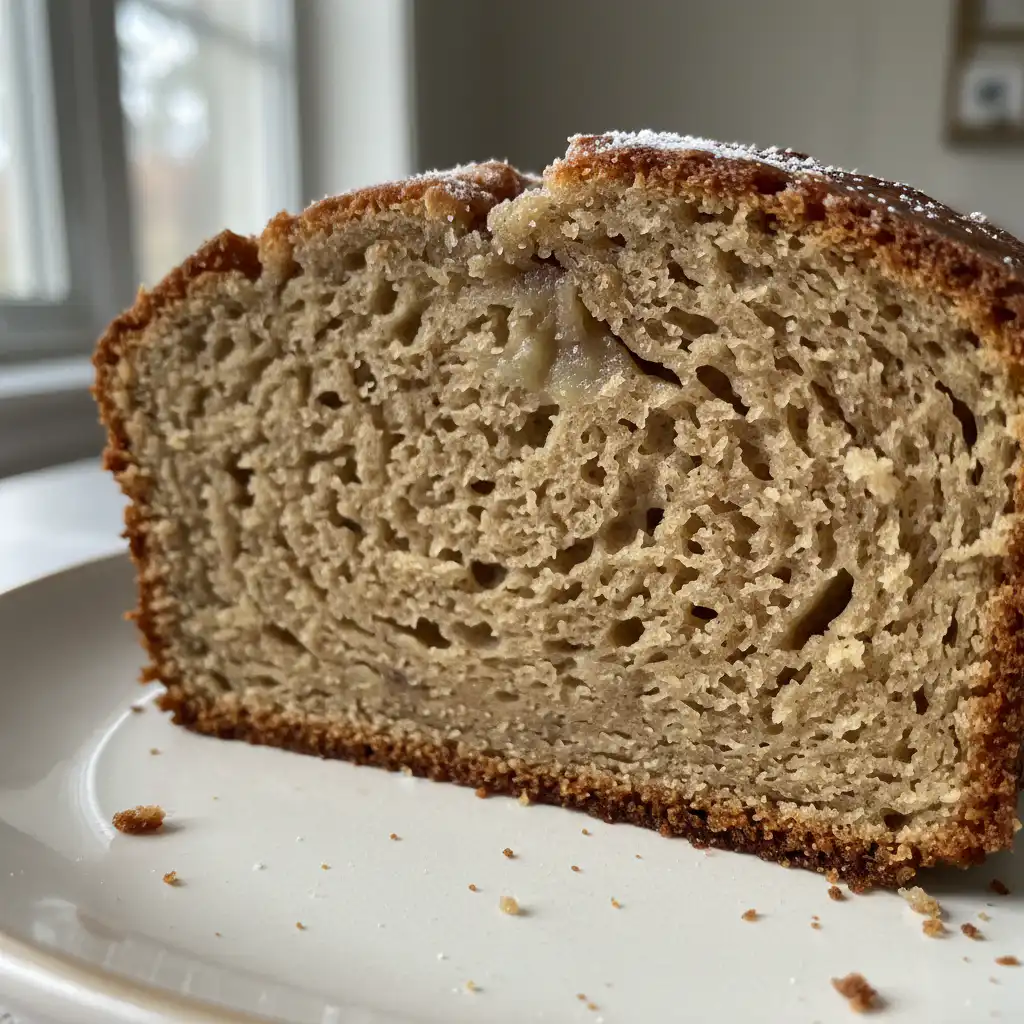
It elevates a classic comfort food into something special. The final result is a rich, caramel-forward loaf that is fluffy, spongy, and light, with a beautiful golden brown and lightly crunchy exterior.
Ingredients Needed
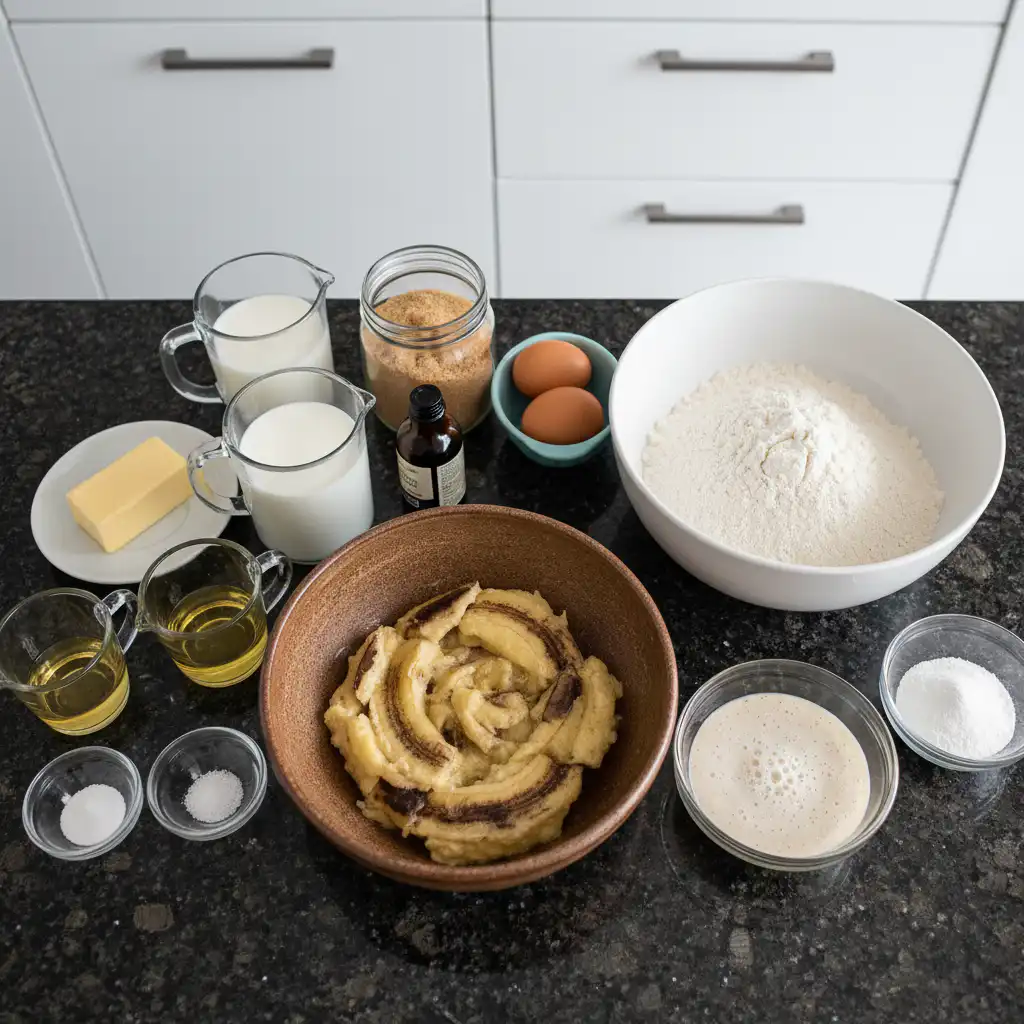
Butter, for coating the pan
375 g overripe bananas (appx. 1 1/2 cups lightly smashed)
225 g (1 1/4 cups lightly packed) light or dark brown sugar
1½ tsp pure vanilla extract
2 large eggs
100 g (appx. 1/2 cup) active sourdough starter or sourdough discard
250g (2 cups) all-purpose flour
1½ tsp baking soda
1/4 tsp fine sea salt
60ml (1/4 cup) milk
125ml (½ cup) neutral flavored oil
Powdered sugar, butter, and mascarpone cheese for serving, optional
For the Brown Butter Streusel Topping:
4 tablespoons (57g) unsalted butter
1/2 cup (60g) all-purpose flour
1/4 cup (50g) packed brown sugar
1/3 cup (30g) old-fashioned oats, lightly toasted
1/2 teaspoon ground cinnamon
Ingredient Notes & Substitutions
Overripe Bananas: For the best flavor, use bananas with peels that are heavily spotted or almost entirely black. They should feel very soft and have a strong, sweet aroma. This ripeness is crucial as the starches have converted to sugar, providing natural sweetness and moisture.
Sourdough Discard: You can use either active sourdough starter or unfed sourdough discard. Discard will lend a milder flavor, while active starter might add a slightly more noticeable tang and a little extra lift.
Brown Sugar: This ingredient is key for moisture and a deep caramel flavor that white sugar cannot replicate.
Neutral Flavored Oil: I recommend using oils like canola oil, vegetable oil, or avocado oil. These oils have a high smoke point and a neutral taste that will not interfere with the banana and brown butter flavors.
Milk: Feel free to substitute regular milk with buttermilk for extra tang or non-dairy options like almond milk.
Eggs: For a vegan diet, you can substitute the large eggs with two flax eggs.
Flour: You can replace up to half of the all-purpose flour with whole wheat flour or spelt flour for a nuttier flavor and denser texture.
Mix-ins: Feel free to fold in about one cup of chopped walnuts, pecans, or chocolate chips. Semi-sweet or 70% dark chocolate chips work beautifully.
How to Make Sourdough Discard Banana Bread
Preparation
First, preheat your oven to 360 F. This slightly higher temperature helps the banana bread get a great initial rise.
Next, lightly coat one 9×5-inch loaf pan or three 7x3x2 mini loaf pans with butter to prevent sticking.
Make the Brown Butter Streusel
In a small saucepan, melt the unsalted butter over medium heat. Continue to cook, swirling the pan occasionally, until the butter foams, turns golden brown, and smells nutty. This should take about 3 to 5 minutes.
Pour the browned butter into a separate bowl. Add the all-purpose flour, brown sugar, toasted oats, and ground cinnamon. Mix with a fork until large, crumbly pieces form. Set this aside while you prepare the batter.
Mix the Batter
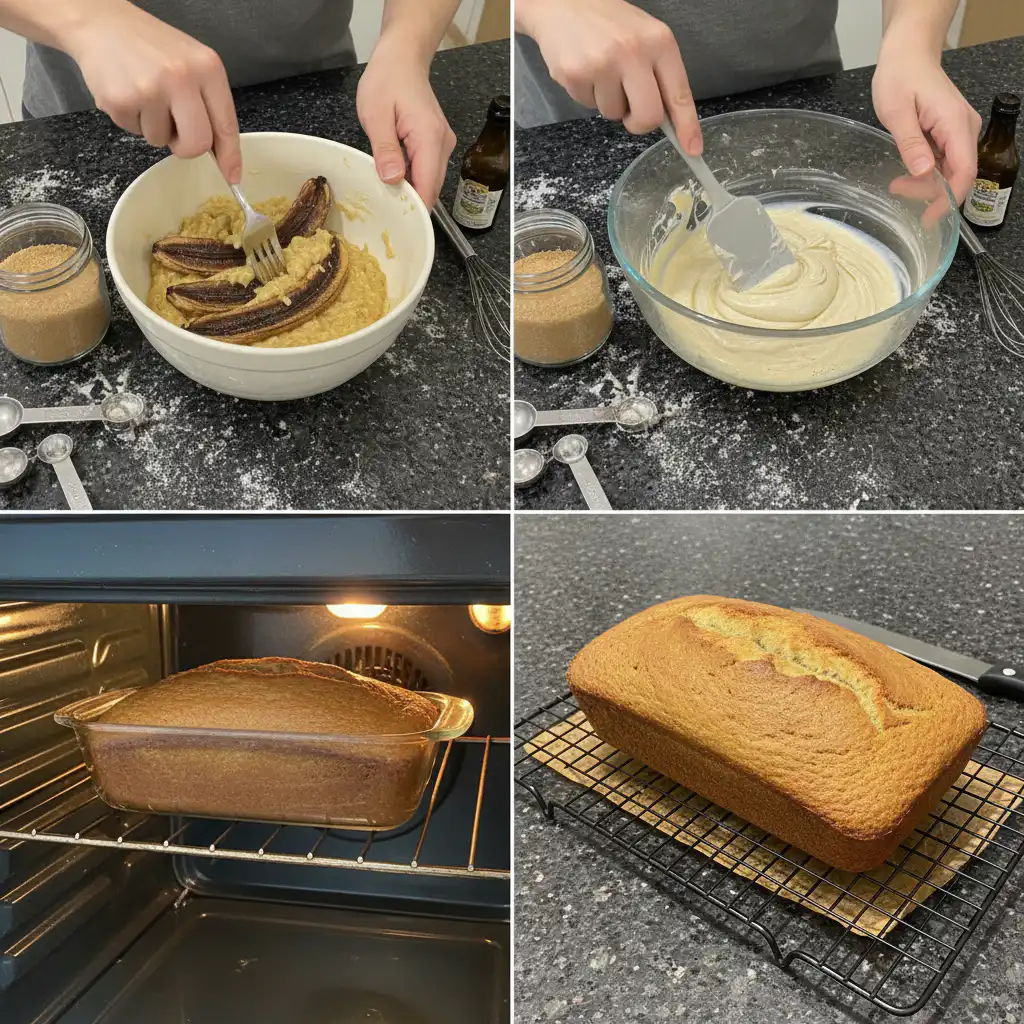
In a large bowl or the bowl of a stand mixer, add the overripe bananas, brown sugar, and pure vanilla extract. Using a hand mixer or a paddle attachment, cream the ingredients together for about 30 to 60 seconds. A few small lumps of banana are perfectly fine.
Add the eggs one at a time, mixing until each is fully incorporated. Then, mix in the sourdough discard until just combined.
In a separate medium bowl, sift or whisk together the all-purpose flour, baking soda, and fine sea salt. Add about half of this dry mixture to the wet ingredients and mix on low speed until barely combined.
Pour in the milk and neutral flavored oil, then add the remaining dry ingredients. Mix only until the last streaks of flour disappear. Be careful not to overmix, as this will result in a tough bread.
Assemble and Bake
Pour the finished batter into your prepared loaf pan. Sprinkle the brown butter streusel mixture evenly over the top of the batter.
If you are using mini loaf pans, place them on a baking sheet for stability. Transfer the pan to the preheated oven.
Bake for 60 to 65 minutes for a standard 9×5-inch pan, or for 45 minutes for the mini loaf pans. The bread is done when it is a rich golden brown and a toothpick inserted into the center comes out clean. If you notice the top browning too quickly, gently tent the pan with aluminum foil.
Cool the Loaf
Allow the banana bread to cool in the pan on a wire rack for 20 minutes. After 20 minutes, carefully invert the pan to release the loaf and let it cool completely on the wire rack. This step prevents the bread from getting soggy as it cools.
Mastering Overripe Bananas & Optimal Mixing Techniques
Identifying the Perfect Overripe Banana
The ideal banana for banana bread is one you might not want to eat plain. Look for peels with extensive brown or black spots. The fruit inside should be very soft but not mushy or liquid. A strong, sweet banana aroma is another excellent indicator of ripeness.
Using bananas at this stage is a non-negotiable for superior flavor. The advanced ripening process converts starches into sugars, which means your bread will be naturally sweeter, more flavorful, and incredibly moist.
The Science Behind the Velvety Crumb
The specific mixing order in this recipe is designed to create a tender, velvety soft crumb. By creaming the bananas and sugar first, you dissolve the sugar and incorporate air. Adding the eggs and sourdough discard creates a stable emulsion for the fats and liquids.
The most crucial step is how you add the final ingredients. Adding the dry ingredients in batches, alternating with the milk and oil, prevents overworking the flour. Overmixing develops too much gluten, which is the protein network that gives bread its structure. In a quick bread, excess gluten development leads to a tough, dense, and rubbery texture instead of a light and fluffy one.
Pro Tips & Troubleshooting
Pro Tips for Success
Baking at 360 F, just ten degrees higher than the standard 350 F, gives the leavening agents a bit of an extra push, resulting in a beautiful dome and a great initial lift.
Using a stand mixer or hand mixer is highly recommended for creaming the bananas and sugar. This ensures a smooth batter without large, unmixed clumps.
Adding the all-purpose flour in batches allows it to hydrate more evenly, preventing dry pockets and making it easier to mix without overworking the batter.
For the best flavor and crunch in the streusel, toast the old-fashioned oats in a dry skillet over medium heat for a few minutes until they are fragrant.
Common Mistakes to Avoid
The most common mistake is overmixing the batter after adding the flour. Mix only until the ingredients are just combined to avoid developing too much gluten, which makes the bread tough.
If the top of your loaf is browning too quickly, don’t hesitate to tent it with aluminum foil. This protects the exterior while allowing the interior to finish baking properly.
Do not pull the bread from the oven too early. Rely on the toothpick test and visual cues to ensure it is cooked through. An undercooked center will be gummy and may sink as it cools.
Using yellow or green-tinged bananas will result in a bread that lacks sweetness, moisture, and deep banana flavor. Patience is key; wait for them to fully ripen.
Ensuring Perfect Doneness
Visually, the loaf should have a beautiful, rich golden brown crust. The edges should be slightly pulled away from the sides of the loaf pan.
The classic toothpick test is reliable. Insert a wooden toothpick or cake tester into the thickest part of the bread. It should come out clean or with a few moist crumbs attached, but no wet batter.
For ultimate precision, use a digital thermometer. The internal temperature of a fully cooked quick bread should be between 200 and 205 F.
Letting the bread cool in the pan for 20 minutes before moving it to a wire rack is crucial. This allows the crumb to set, making it less likely to fall apart.
Serving & Storage
Delicious Serving Ideas
This sourdough discard banana bread is fantastic on its own. For a simple touch, dust the cooled loaf with powdered sugar. A warm slice served with a spread of salted butter is a classic delight. For a more decadent treat, try it with a dollop of mascarpone cheese.
It pairs wonderfully with a morning cup of coffee, a hot tea in the afternoon, or a cold glass of milk.
Storage & Make-Ahead Tips
To store at room temperature, allow the bread to cool completely. Place it in an airtight container or wrap it tightly in plastic wrap. It will stay fresh for up to four days.
For longer storage, you can freeze the banana bread. Wrap the entire loaf or individual slices securely in aluminum foil, then place them in a freezer-safe bag. It can be frozen for up to three months.
To reheat, you can warm individual slices in the microwave for 15-20 seconds or in a toaster oven until warm. A frozen loaf can be thawed at room temperature for a few hours.
Variations & Customizations
Feel free to add your favorite mix-ins. One cup of chopped walnuts, pecans, semi-sweet chocolate chips, dried cranberries, or raisins can be folded into the batter at the end.
For a heartier texture, substitute 1/4 of the all-purpose flour with whole wheat flour or spelt flour.
You can experiment with sugar substitutes like coconut sugar or jaggery, though it may alter the final texture and flavor.
To make muffins, divide the batter among lined muffin tins, filling them about three-quarters full. Sprinkle with streusel and bake at 360 F for about 15-17 minutes, or until a toothpick comes out clean.
This sourdough discard banana bread is a testament to how simple ingredients can create something truly special. The moist, tender crumb from the sourdough and the crunchy, nutty streusel topping make for an irresistible combination. With these detailed steps and tips, even a first-time baker can achieve a perfect loaf. I hope you enjoy baking this recipe as much as my family enjoys eating it.
FAQ
What is the difference between using active sourdough starter vs. discard in banana bread?
Active starter is fed and bubbly, and it can provide a small amount of leavening and a more pronounced tangy flavor. Sourdough discard is unfed starter and is primarily used for flavor and moisture, adding a subtle depth without a strong sour taste. Both work wonderfully in this recipe.
Can I make this sourdough banana bread recipe without any sourdough starter?
Yes, you can. If you do not have sourdough starter, you can omit it. You may need to add about 1/4 cup of extra milk or buttermilk and 1/4 cup of extra flour to maintain a similar batter consistency.
Why is the mixing order in this recipe so specific, and how does it affect the texture?
The mixing order is designed to create a tender, velvety crumb. Creaming the fat and sugar first incorporates air, adding lightness. Adding dry and wet ingredients alternately at the end prevents overmixing the flour, which minimizes gluten development and keeps the bread from becoming tough or dense.
What are the best ways to store and freeze sourdough banana bread?
Store the completely cooled bread in an airtight container at room temperature for up to 4 days. To freeze, wrap the loaf or individual slices tightly in foil and then place in a freezer bag for up to 3 months. Thaw at room temperature.
How do I know when my sourdough banana bread is perfectly baked?
The bread is done when it’s a rich golden brown, and a toothpick inserted into the center comes out clean with just a few moist crumbs. For precision, the internal temperature should read between 200-205 F on a digital thermometer.
What are some popular variations and mix-ins for sourdough banana bread?
Popular mix-ins include one cup of chopped walnuts or pecans, chocolate chips, blueberries, or dried fruits like cranberries or raisins. You can also add a teaspoon of cinnamon to the batter for extra warmth.
What is the recommended internal temperature for fully baked banana bread?
The ideal internal temperature for perfectly baked banana bread is between 200 and 205 degrees Fahrenheit (93 to 96 degrees Celsius).
How much banana bread does this recipe yield?
This recipe yields one standard 9×5-inch loaf, which can be cut into 10-12 generous slices, or three mini 7×3-inch loaves.
Why is the oven preheated to 360 F instead of 350 F?
The slightly higher temperature of 360 F helps give the baking soda an initial boost of heat. This creates a stronger upward spring, resulting in a taller loaf with a nicely domed top.
Sourdough Discard Banana Bread with Brown Butter Streusel
Ingredients
Equipment
Method
- Preheat your oven to 360°F (182°C). Lightly coat a 9×5-inch loaf pan with butter.
- In a small saucepan, melt the unsalted butter over medium heat. Continue cooking, swirling the pan occasionally, until the butter foams, turns golden brown, and smells nutty, about 3 to 5 minutes.
- Pour the browned butter into a bowl. Add the all-purpose flour, brown sugar, toasted oats, and ground cinnamon. Use a fork to mix until large, crumbly pieces form. Set aside.
- In a large bowl or the bowl of a stand mixer, add the overripe bananas, brown sugar, and vanilla extract. Cream together with a mixer for 30 to 60 seconds. A few small lumps of banana are fine.
- Add the eggs one at a time, mixing until each is fully incorporated. Then, mix in the sourdough discard until just combined.
- In a separate medium bowl, whisk together the all-purpose flour, baking soda, and fine sea salt.
- Add about half of the dry mixture to the wet ingredients and mix on low speed until barely combined. Pour in the milk and oil, then add the remaining dry ingredients. Mix only until the last streaks of flour disappear. Do not overmix.
- Pour the batter into the prepared loaf pan and spread evenly. Sprinkle the brown butter streusel mixture over the top.
- Bake for 60 to 65 minutes, or until a rich golden brown and a toothpick inserted into the center comes out clean. If the top browns too quickly, gently tent the pan with aluminum foil.
- Allow the banana bread to cool in the pan on a wire rack for 20 minutes.
- Carefully invert the pan to release the loaf and let it cool completely on the wire rack before slicing.