
Everyone loves a classic banana bread, but I wanted to create a version that was even better. This cottage cheese banana bread is the answer. It is incredibly moist, packed with protein, and secretly healthy. My recipe elevates the beloved classic with a simple, high-protein twist and a vibrant lemon poppy seed swirl that makes it truly unforgettable. Whether you’re here for the exact steps or the science behind a perfect loaf, you’ll find everything you need to bake this stunningly delicious and nutritious treat in your own kitchen.
Table of Contents
Table of Contents
Why You’ll Love This Recipe
The secret to this recipe is the zesty lemon poppy seed swirl. The fresh lemon zest adds a bright, tangy note that cuts through the richness of the cottage cheese and beautifully enhances the sweetness of the bananas. It prevents the bread from tasting heavy. The poppy seeds add a delightful, subtle crunch and a beautiful marbled look inside each slice.
This bread is incredibly moist and tender. The cottage cheese is a fantastic ingredient that adds moisture and protein, which means we can use less oil while still achieving a perfect, rich crumb.
It is also a nutrient-packed treat. By using almond flour, this cottage cheese banana bread is naturally gluten-free and boasts a high protein content, making it a smarter choice for breakfast or an afternoon snack.
Despite its sophisticated flavor, this recipe is simple and rewarding. The steps are easy for any home baker to follow, guaranteeing a loaf that looks and tastes like it came from a gourmet bakery.
Ingredients Needed
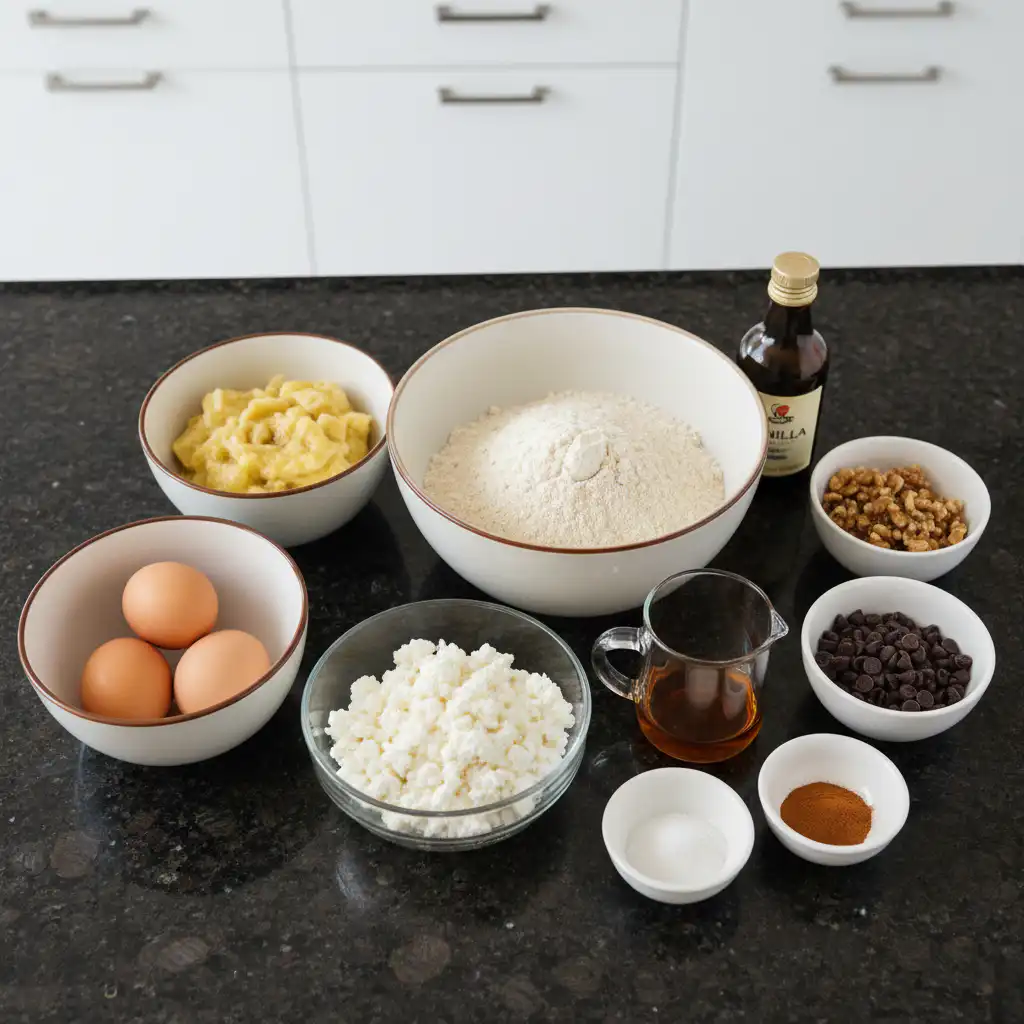
2 ripe bananas, mashed
3 eggs
1/2 cup cottage cheese
3 tablespoons maple syrup (adjust to taste if you want sweeter)
2 teaspoon vanilla extract
2 1/2 cups almond flour
1 teaspoon baking soda
2 teaspoons cinnamon
Optional mix-in’s: walnuts, chocolate chips or blueberries are all great
Ingredient Notes & Substitutions
Ripe Bananas: Always use very ripe bananas for the best results. The more brown spots on the peel, the sweeter and more flavorful your bread will be. When you mash them, a few small lumps are perfectly fine and add great texture, but avoid large chunks for even baking. Thawed and drained frozen bananas also work wonderfully.
Cottage Cheese: This is the magic ingredient for a high protein banana bread. It adds moisture and richness, acting as a substitute for extra fat. I prefer full-fat cottage cheese for the richest flavor, but low-fat works too. If you dislike the texture of curds, you can blend the cottage cheese until smooth before adding it to the batter.
Almond Flour: Using almond flour makes this recipe naturally gluten-free and contributes to the wonderfully moist bread texture. It has a slightly sweet, nutty flavor that complements the banana perfectly.
Sweeteners: I use pure maple syrup in this recipe. You can easily adjust the sweetness of this banana bread by adding a little more or less. Honey is a great substitute. For low sugar or low-carb options, you can use coconut sugar, monk fruit, stevia, or a sugar-free maple syrup.
Optional Mix-ins: Feel free to customize your loaf. Walnuts add a lovely crunch, while chocolate chips make it more decadent. Blueberries, cacao chips, pepita seeds, or sliced almonds are also fantastic additions.
Salt: I highly recommend adding about 1/2 teaspoon of salt with the dry ingredients. It might seem small, but salt is crucial for enhancing and balancing all the other flavors in the bread.
Lemon Zest & Poppy Seeds: These create the unique twist. Use fresh lemon zest for the brightest flavor, and make sure your poppy seeds are fresh. This combination adds a vibrant tang and a delicate crunch.
How to Make Cottage Cheese Banana Bread
Prepare Oven and Pan
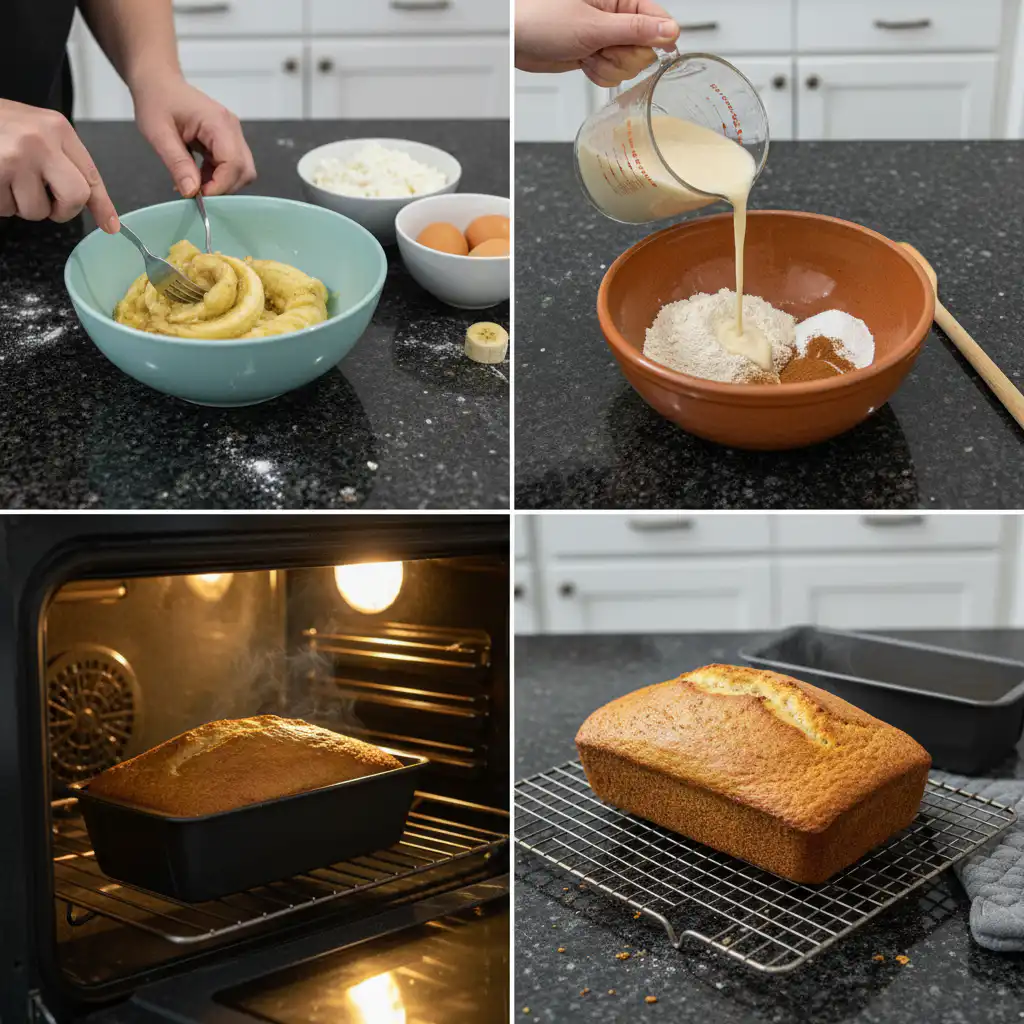
First, preheat your oven to 350 degrees F (175 C). I recommend using a standard 9×5 inch metal loaf pan for the most even baking. Line the pan with parchment paper, leaving some overhang on the sides to act as handles for easy removal later. Grease the pan and paper well.
Mix the Wet Ingredients
In a large mixing bowl, combine the mashed bananas, eggs, cottage cheese, maple syrup, and vanilla extract. Whisk everything together until the mixture is smooth and well-incorporated. If you prefer a completely smooth batter, you can blend these ingredients in a blender first.
Combine with Dry Ingredients
Next, add the almond flour, baking soda, and cinnamon to the bowl with the wet ingredients. Mix until everything is just combined. Be careful not to overmix the batter. Depending on the brand of cottage cheese you use, the batter may still have small chunks, and that is perfectly okay.
Create the Swirl
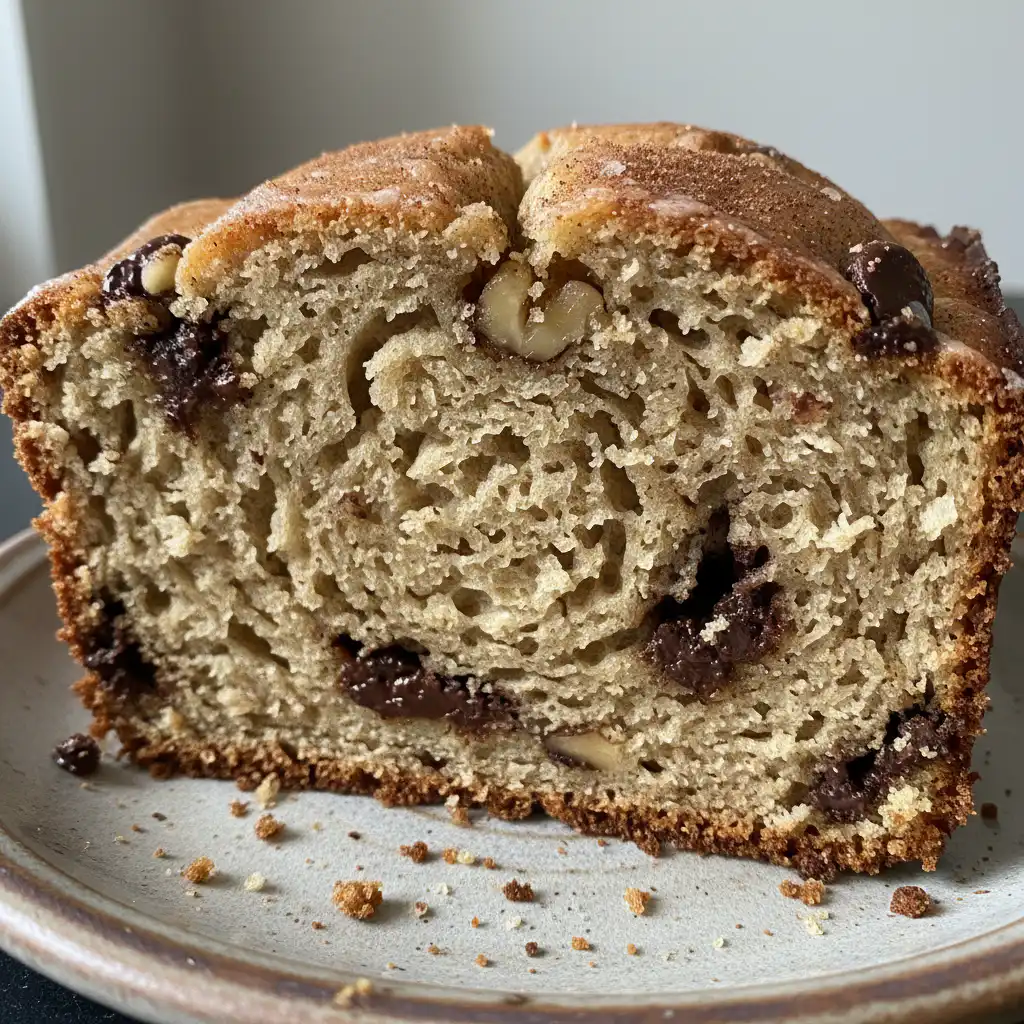
If you are using any optional mix-ins like walnuts or chocolate chips, gently fold them into the batter now. Then, transfer about half of the plain batter into a separate small bowl. To this smaller portion, fold in 1 to 2 teaspoons of fresh lemon zest and 1 to 2 teaspoons of poppy seeds. Pour the plain batter into your prepared loaf pan first, then dollop the lemon-poppy seed batter on top. Use a knife or a skewer to gently swirl the two batters together to create a beautiful marbled effect.
Bake the Bread
Place the loaf pan in the preheated oven on a center rack to prevent the top from getting too dark. Bake for about 50 minutes. If you notice the top is starting to brown too quickly after about 30 minutes, you can loosely tent it with a piece of aluminum foil for the remaining bake time.
Cool and Slice
To check for doneness, insert a toothpick into the center of the loaf. It should come out clean or with a few moist crumbs attached. For perfect results, I also recommend checking the internal temperature with a digital thermometer; it should read between 200-205°F (93-96°C). Let the bread cool in the pan for about 10 minutes before using the parchment paper handles to lift it onto a wire rack to cool completely. This step is crucial for the best texture and easy slicing.
Baking Science Demystified: The Whys Behind a Perfect Loaf
The Magic of Baking Soda
You might wonder how baking soda works in this recipe without an obvious acid like buttermilk. The truth is, both cottage cheese and ripe bananas are naturally acidic enough to activate the baking soda. This reaction produces carbon dioxide gas, which creates bubbles in the batter, causing this quick bread to rise and develop a light, tender crumb.
Loaf Pan Perfected
For this recipe, a standard 9×5 inch loaf pan is the ideal size. The material of your pan can affect the outcome. Metal pans, especially lighter-colored aluminum ones, are excellent conductors of heat and will give your banana bread an even, golden-brown crust. Glass pans take longer to heat up and retain heat longer, which can sometimes lead to darker, denser edges. Using parchment paper as a liner is always a great idea for easy, clean removal.
Mastering Banana Consistency
The way you mash your bananas can change the final texture of the bread. If you leave them slightly lumpy with small chunks, you will get little pockets of soft, sweet banana throughout the loaf. If you mash them until completely smooth, the banana flavor will be more uniformly distributed, resulting in a more consistent crumb.
Troubleshooting Common Issues with Scientific Rationale
If your bread sinks in the middle, it is often due to being undercooked or from overmixing the batter. Overmixing can affect batter density, causing it to collapse. A gummy texture is almost always a sign of underbaking, where the flour has not fully cooked and absorbed the hydration from the wet ingredients. Always rely on a toothpick test and an internal temperature check for perfect doneness.
Flour Power: Understanding Almond Flour & Smart Substitutions
Why Almond Flour is Great Here
Almond flour is fantastic in this cottage cheese banana bread because it is naturally gluten-free, high in protein, and lower in carbs than wheat flour. Its high fat content contributes significantly to the moist bread texture, creating a tender, rich crumb that is simply delicious.
Precise Conversions for Alternatives
While this recipe is designed for almond flour, you can make substitutions with some adjustments. Remember that it is not a simple one-for-one swap.
All-Purpose Flour: If you want to use all-purpose flour, you will need less of it. Start with about 1.5 cups and see how the batter looks. You may need to add a splash of milk if it seems too thick. Note that this will make the bread no longer gluten-free.
Gluten-Free Baking Blend: For a gluten-free blend that contains xanthan gum, start with about 1.25 cups. These blends are designed to be a closer substitute, but you should always check the package for specific recommendations.
Oat Flour & Buckwheat Flour: Oat flour can sometimes be substituted 1:1, but it absorbs liquid differently, so watch your batter consistency. For buckwheat flour, which has a stronger flavor, start with around 1.5 cups.
Coconut Flour Warning: Do not substitute coconut flour 1:1 for almond flour. Coconut flour is extremely absorbent and will result in a dry, crumbly loaf unless you significantly increase the liquid ingredients. It requires a completely different recipe ratio.
Pro Tips & Troubleshooting
Pro Tips
Use Extra-Ripe Bananas: For the sweetest, most moist banana bread, use bananas with lots of brown spots on the peel. They are full of natural sugar and moisture.
Smoother Batter Option: If you prefer a bread with no detectable cottage cheese texture, simply blend the cottage cheese with the other wet ingredients until smooth before mixing in the dry ones.
Flavor Boost with Salt: Don’t skip the salt! Just a half teaspoon of salt makes a huge difference in waking up all the sweet and spiced flavors in the bread.
Hydration Rest: For an even more tender crumb, let the finished batter rest in the bowl for about 10 minutes before pouring it into the pan. This allows the almond flour to fully hydrate.
Prevent Over-Browning: To keep the top of your loaf from getting too dark, make sure your oven rack is in the center position. If it still browns too quickly, tent it loosely with foil.
Zest Right: When zesting the lemon for the swirl, be sure to only grate the yellow outer peel. The white pith underneath is bitter and should be avoided.
Common Mistakes to Avoid
Incorrect Flour Ratios: Never substitute other flours for almond flour at a 1:1 ratio. It will drastically change the texture and moisture level of your bread.
Using Coconut Flour 1:1: This is the most common flour substitution mistake. Coconut flour is like a sponge and cannot be swapped directly for almond flour.
Undercooking: A gooey or mushy center means the bread was undercooked. Trust the toothpick test and check the internal temperature to ensure it is baked through.
Overmixing: Mix the batter only until the ingredients are just combined. Overmixing can lead to a dense or spongy texture and may cause the loaf to sink in the middle.
Skipping the Cool-Down: Slicing into a hot loaf is tempting, but it can ruin the texture. Letting it cool completely on a wire rack allows the crumb to set properly.
Serving & Storage
Serving Ideas
A warm slice is perfect on its own or with a simple spread of butter or cream cheese. For a sweeter touch, drizzle it with a little extra maple syrup or honey. To turn this into a decadent dessert, serve a slice with a scoop of vanilla ice cream or a dollop of whipped cream. It is also a wonderful and healthy baking option for breakfast alongside a cup of coffee or tea.
Storage and Make-Ahead
You can store this cottage cheese banana bread in an airtight container at room temperature for up to three days. To keep it fresh for longer, store it in the refrigerator for up to a week. This banana bread is also freezer-friendly. Once it has cooled completely, wrap the whole loaf or individual slices tightly in plastic wrap and then a layer of foil. It will keep well in the freezer for up to three months. To enjoy, simply thaw slices at room temperature or warm them gently in the microwave.
Conclusion
This cottage cheese banana bread truly is a game-changer. It delivers on every level with its incredible moist bread texture, high protein content, and the unique, bright flavor of the lemon poppy seed swirl. I designed this recipe with detailed instructions and pro tips to ensure that even a beginner baker can achieve a perfect loaf. I encourage you to try it, experiment with different mix-ins, and maybe even turn the batter into muffins. I know you will love it as much as I do. Share your beautiful banana bread photos in the comments below!
FAQ
Why use cottage cheese in banana bread?
Cottage cheese is a secret weapon for amazing quick breads. It adds a significant amount of protein and moisture, which results in an incredibly tender and rich banana bread without the need for a lot of oil or butter. It makes the final product a healthier, high protein snack.
Can I substitute almond flour for other flours?
Yes, but you cannot substitute it at a 1:1 ratio. Please refer to the “Flour Power: Understanding Almond Flour & Smart Substitutions” section above for detailed guidance on using all-purpose flour, a gluten-free blend, oat flour, or buckwheat flour, as well as an important warning about using coconut flour.
How can I adjust the sweetness of this banana bread?
The easiest way to get a sweeter bread is to use very ripe bananas with plenty of brown spots. You can also increase the maple syrup to your liking. For other options, consider using honey or exploring sweetener alternatives like coconut sugar, monk fruit, or stevia, as mentioned in the Ingredient Notes.
Can I make these into muffins instead of a loaf? What’s the baking time?
Absolutely! This batter makes excellent muffins. Line a muffin tin and fill the liners about two-thirds full. The baking time will be much shorter, so start checking them after 15 minutes. They will likely be done in 15-30 minutes, depending on your oven. Use the toothpick test to check for doneness.
How should I store cottage cheese banana bread?
Store the completely cooled bread in an airtight container. It will last for 2-3 days at room temperature or up to a week in the refrigerator. This loaf is also freezer-friendly and can be frozen for up to 3 months when wrapped properly. The storage section above has full details.
What causes banana bread to be too moist or sink in the middle, and how can I fix it?
This is typically caused by undercooking or overmixing the batter. To fix this, make sure your bread is baked until the internal temperature reaches 200-205°F. Also, be careful to mix the batter only until the ingredients are just combined. Our “Baking Science Demystified” section provides more in-depth solutions.
What size loaf pan should I use for this recipe?
A standard 9×5 inch (23×13 cm) metal loaf pan works best for this recipe. Metal pans are great at conducting heat, which helps the bread bake evenly and develop a nice golden-brown crust.
Do you taste the cottage cheese chunks in the finished bread?
No, you do not. The cottage cheese melts and blends into the batter as it bakes, disappearing completely while leaving behind wonderful moisture and richness. If you are concerned about texture, you can blend the cottage cheese with the other wet ingredients first for a guaranteed smooth batter.
Why does baking soda work in this recipe if there’s no obvious acid?
Both cottage cheese and very ripe bananas contain natural acids. These acids are strong enough to react with the baking soda, which is an alkaline ingredient. This chemical reaction creates the carbon dioxide gas needed for the bread to rise properly. You can find more details in the “Baking Science Demystified” section.
High-Protein Cottage Cheese Banana Bread with Zesty Lemon Poppy Swirl
Ingredients
Equipment
Method
- Preheat your oven to 350°F (175°C). Line a 9×5 inch loaf pan with parchment paper, leaving an overhang on the sides. Grease the pan and paper well.
- In a large mixing bowl, whisk together the mashed bananas, eggs, cottage cheese, maple syrup, and vanilla extract until the mixture is smooth and well-incorporated. For a completely smooth batter, blend these ingredients in a blender first.
- Add the almond flour, baking soda, cinnamon, and salt to the bowl with the wet ingredients. Mix until just combined, being careful not to overmix.
- If using, gently fold in any optional mix-ins like walnuts or chocolate chips. Transfer about half of the batter to a separate small bowl. To this smaller portion, fold in the fresh lemon zest and poppy seeds.
- Pour the plain batter into the prepared loaf pan first. Then, dollop the lemon-poppy seed batter on top. Use a knife or skewer to gently swirl the two batters together to create a marbled effect.
- Place the pan on a center rack in the preheated oven. Bake for about 50 minutes. If the top starts to brown too quickly, you can loosely tent it with aluminum foil after about 30 minutes.
- Check for doneness by inserting a toothpick into the center; it should come out clean. The internal temperature should be 200-205°F (93-96°C). Let the bread cool in the pan for 10 minutes before using the parchment handles to lift it onto a wire rack to cool completely before slicing.