
There is nothing quite like the aroma of freshly baked cinnamon rolls filling the kitchen. It is the scent of comfort, lazy weekends, and pure indulgence. Now, imagine combining that with the soulful, sweet flavor of classic banana bread. This recipe for banana bread cinnamon rolls does just that, creating a breakfast treat that is both familiar and excitingly new. I am going to walk you through every step to ensure you get the softest, gooiest, most flavorful rolls you have ever made. This is your new favorite cozy morning treat.
Table of Contents
Table of Contents
Why You’ll Love This Recipe
The secret to these incredibly moist and flavorful rolls is a unique twist. I spread a thin layer of caramelized banana puree onto the dough before adding the cinnamon sugar filling. Caramelizing overripe bananas through the Maillard reaction concentrates their natural sugars, creating a deep, rich flavor.
This puree melts into the filling as the rolls bake. It results in an intensely banana-flavored swirl that is exceptionally gooey and moist, truly capturing the essence of banana bread in every bite.
This recipe creates the perfect cozy morning treat. The aroma alone is enough to make any weekend morning feel special, and they are perfect for sharing with family and friends.
They are surprisingly convenient. You can prepare these rolls the night before and let them have their final rise in the refrigerator for an easy bake-and-serve breakfast.
Ingredients Needed
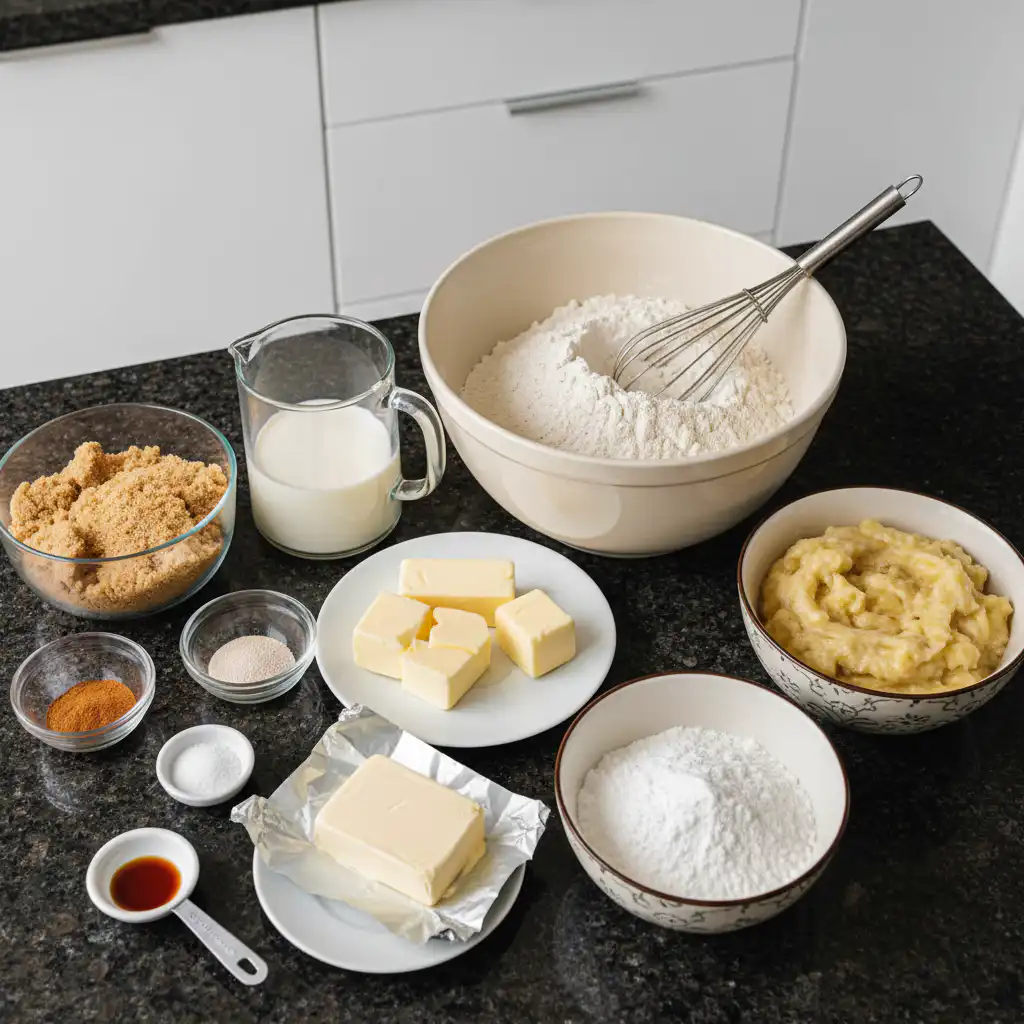
For the Dough
- 4 cups all-purpose flour
- 1/3 cup packed light brown sugar
- 2 1/4 teaspoons Rapid Rise yeast
- 1 1/2 teaspoons ground cinnamon
- 1 teaspoon salt
- 1 cup milk
- 6 tablespoons unsalted butter
- 2/3 cup mashed overripe banana
For the Filling
- 1/4 cup unsalted butter, at room temperature
- 1/2 cup packed light brown sugar
- 1 tablespoon ground cinnamon
- Pinch of salt
For the Cream Cheese Frosting
- 1/3 cup unsalted butter, at room temperature
- 2 ounces cream cheese, at room temperature
- 2 cups powdered sugar
- 2 teaspoons ground cinnamon
- 1 tablespoon milk
- 1 teaspoon vanilla extract
- pinch of salt
Ingredient Notes & Substitutions
Overripe Bananas. For the best flavor, your bananas should have at least 75% brown or black spots on the peel. These bananas are much sweeter and have a more potent banana flavor, which is essential for this recipe.
Yeast. This recipe uses Rapid Rise yeast, which is added directly to the dry ingredients. If you only have Active Dry yeast, you will need to activate it first. Warm your milk to 110-115°F, stir in the yeast and a pinch of sugar, and let it sit for 5-10 minutes until foamy before proceeding.
Butter & Cream Cheese. Using room temperature butter and room temperature cream cheese is critical for the frosting. It allows the ingredients to emulsify properly, creating a smooth, light, and lump-free texture. Cold ingredients will not combine well.
Milk. Whole milk provides richness, but you can substitute it with plant-based milks like almond or oat milk if you have dairy sensitivities. The texture may be slightly different but still delicious.
Brown Sugar. I prefer light brown sugar in the filling for its molasses content, which contributes to a softer, more caramel-like gooey center. Granulated sugar will not provide the same depth of flavor or texture.
Flour. All-purpose flour gives these rolls a perfectly tender and soft crumb. If you prefer a chewier roll, you could substitute bread flour, which has a higher protein content.
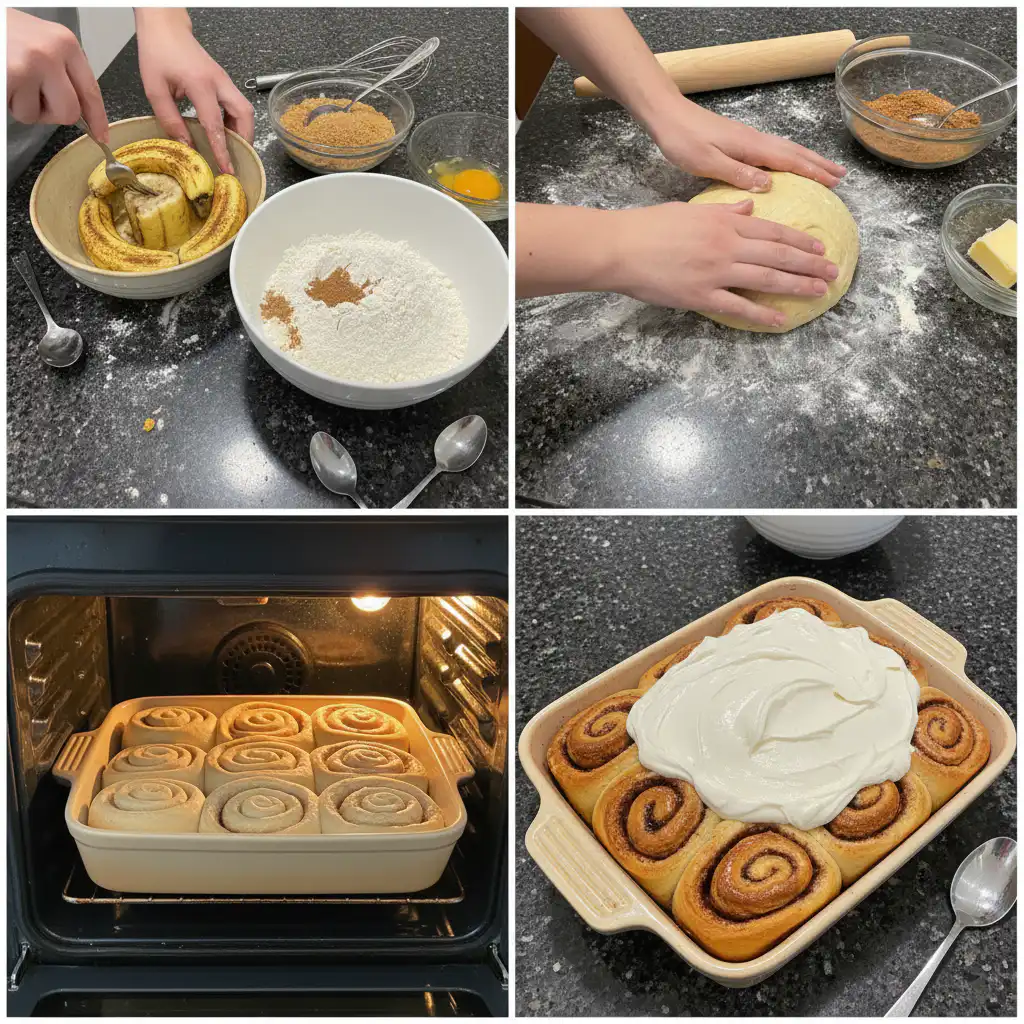
How to Make Banana Bread Cinnamon Rolls
Step 1: Making and Kneading the Dough
In a large bowl of a stand mixer, combine 2 cups of the flour, the light brown sugar, Rapid Rise yeast, ground cinnamon, and salt. Whisk them together to ensure everything is evenly distributed.
Next, in a separate microwave safe bowl, gently warm the milk and butter. I microwave it for about 30 seconds, just until the butter is mostly melted. The mixture should feel warm to the touch, not hot. This is crucial for preventing killing the yeast. Add this warm milk mixture and the mashed overripe banana to your flour mixture.
Using the dough hook attachment, beat on low speed, then gradually increase to high speed. Mix for about two minutes until everything is completely combined and looks like a thick batter.
Scrape down the sides of the bowl. Add one more cup of flour and mix until it is incorporated. Then, add the final cup of flour a little at a time. Keep mixing until the dough starts to pull away from the sides of the bowl and forms a soft ball.
Turn the dough out onto a well floured surface. Now it is time to knead for about 10 minutes. You are looking for the dough to become smooth and elastic. This is a sign of proper gluten development. The dough should feel supple and you should be able to stretch a small piece without it tearing immediately.
Step 2: First Rise and Preparing the Filling
Place the kneaded dough into a lightly oiled large bowl. Cover it with a clean dish cloth and let it rise in a warm, draft-free spot for about one hour. The dough should double in size during this first rise.
While the dough is rising, you can prepare the cinnamon-sugar filling. In a small bowl, combine the light brown sugar, ground cinnamon, and a pinch of salt. Mix it well and set it aside for later.
Step 3: Assembling and Baking the Rolls
Once the dough has doubled, gently punch it down and turn it out onto a well floured surface. Roll the dough into a large rectangle, aiming for dimensions of about 18 by 12 inches.
Spread the room temperature butter for the filling evenly over the entire surface of the dough, going all the way to the edges. Sprinkle the sugar mixture evenly over the butter. Gently press the sugar mixture down so it adheres to the butter.
Starting from the long 18-inch edge, roll the dough away from you into a tight log. Try to keep the roll snug as you go to ensure you get beautiful, defined swirls. Pinch the seam at the end firmly to seal it shut.
To cut the rolls, you can use unflavored dental floss for a clean cut, or a very sharp knife. Cut the log into 12 even rolls. Place the cut rolls into a 9 x 13 inch pan lined with parchment paper. Cover them loosely with a dish cloth and let them rise for a second time, for about another hour. They should look puffed up and will have nearly doubled in size again.
Preheat your oven to 350°F. Bake the cinnamon rolls for about 30 minutes. You are looking for a beautiful golden brown color on top. It is important not to overbake them to maintain that soft, gooey center. Let the rolls cool slightly in the pan.
Step 4: Making the Frosting
While the banana bread cinnamon rolls are cooling, make the cream cheese frosting. In the bowl of your stand mixer fitted with the whisk attachment, combine the room temperature butter and room temperature cream cheese. Add the powdered sugar, milk, salt, and vanilla extract.
Beat the mixture on low speed at first, then gradually increase to high speed. Whip it until the frosting is light, fluffy, and completely smooth. Spread this glorious frosting evenly over the warm rolls. They are best enjoyed right away.
Mastering Your Dough & Banana Prep for Perfect Rolls
Understanding Overripe Bananas (Visual Cues)
The key to authentic banana bread flavor is using truly overripe bananas. Look for peels that are at least 75% covered in brown and black spots. The banana itself should feel soft to the touch. As bananas ripen, their starches convert to sugar, which is a fundamental aspect of food chemistry. This process not only makes them sweeter but also intensifies their flavor, which is perfect for our puree and contributes to the Maillard reaction during baking.
Achieving Perfect Gluten Development
Gluten development is what gives yeasted dough its structure and delightful chew. When you knead, you are creating a network of proteins. You can tell your dough is properly kneaded when it feels smooth and elastic. A simple test beyond the classic windowpane test is to gently press your finger into the dough; if it springs back slowly, the gluten is well-developed. The dough should feel alive and supple, not stiff or overly sticky.
Troubleshooting Common Dough Issues
If your dough feels too sticky, it might have too much liquid or the humidity is high. Add flour one tablespoon at a time during the final kneading stages until it is manageable. If your dough is not rising, the yeast may have been old or killed by liquid that was too hot. Ensure your milk is just warm, not hot, and check the expiration date on your yeast. A cold room can also slow the rise, so find a warm spot for proofing. A tough or dense texture often comes from adding too much flour or not letting the dough rise long enough.
Tips for a Consistently Tight Roll
For perfect swirls, roll your dough to an even thickness. Spread the butter and filling all the way to the edges. Begin rolling from the long edge, keeping it snug from the very start. Use gentle, even pressure to avoid tearing the dough. Once rolled, pinch the seam along the entire length of the log to create a tight seal that will not unravel during baking.
Pro Tips & Troubleshooting
Pro Tips
Use high-quality ingredients. Good butter, fresh ground cinnamon, and real vanilla extract make a noticeable difference in the final flavor.
Do not overbake the rolls. To get that signature gooey center, pull them from the oven when they are just golden brown. They will continue to cook a little in the hot pan.
Serve them warm. These banana bread cinnamon rolls are at their absolute best when served warm from the oven, with the frosting just starting to melt into the crevices.
Try the make-ahead overnight proof. For a stress-free morning, you can place the assembled rolls in the pan, cover them, and refrigerate overnight. The next morning, let them sit at room temperature for 30-45 minutes before baking.
Perfect the banana layer. Mash your overripe bananas very well to create a smooth puree. This ensures it spreads easily and melts seamlessly into the filling for maximum gooeyness.
Roll it tightly. A tight roll is the key to getting those picture-perfect swirls and preventing the filling from leaking out too much during baking.
Common Mistakes to Avoid
Killing the yeast. Adding the milk and butter mixture when it is too hot will kill the yeast, and your dough will not rise. It should feel comfortably warm, not hot.
Overbaking the rolls. This is the fastest way to get dry, disappointing rolls. Keep a close eye on them during the last few minutes of baking.
Using cold ingredients for frosting. Not using room temperature cream cheese and butter will result in a lumpy frosting. Let them sit out on the counter for at least an hour before mixing.
Substituting the sugar. Do not substitute granulated sugar for brown sugar in the filling. You will miss out on the soft, caramel-like texture that brown sugar provides.
Skipping the second rise. The second rise is essential for a light, airy texture. Skipping it will result in dense, heavy rolls.
Uneven rolling or cutting. If your dough is rolled unevenly or the rolls are cut to different sizes, they will not bake evenly in the oven.
Serving & Storage
Serving Ideas
These rolls are best served warm, fresh from the oven, to experience their ultimate flavor and soft texture. They pair wonderfully with a fresh cup of coffee, like this homemade banana bread latte, a cold glass of milk, or even a mimosa for a special brunch occasion. For a simple garnish, you can add a light dusting of extra ground cinnamon on top of the frosting.
Storage and Make-Ahead
Freshly baked rolls can be stored in an airtight container at room temperature for up to 2 days. For longer storage, you can refrigerate them for up to 5 days. You can also freeze the fully baked and frosted rolls. Place them in a freezer-safe container, and they will last for up to 3 months. To freeze unbaked rolls, assemble them in the pan, cover tightly with plastic wrap and foil, and freeze. When ready to bake, let them thaw and rise in the refrigerator overnight before baking as directed. The overnight proof is also a great make-ahead option for fresh morning rolls.
Reheating Leftovers for Fresh-Baked Taste
The microwave is the quickest way to reheat a single roll. Just 20-30 seconds is all it takes to make it warm and gooey again. To reheat multiple rolls, place them in a baking dish, cover with foil, and warm them in a 350°F oven for 10-15 minutes until heated through. For a slightly crisp exterior and warm interior, you can also use an air fryer. Reheat at 320°F for 3-5 minutes.
Conclusion
This banana bread cinnamon rolls recipe is truly the best of both worlds. The extra gooeyness and intense banana flavor from the caramelized banana puree set these rolls apart from any other. With these detailed instructions and tips, even a beginner baker can achieve pillowy soft, bakery-quality results at home. I encourage you to try this recipe for your next special breakfast or weekend brunch. Feel free to share your creations, as nothing makes me happier than seeing my recipes come to life in your kitchen.
FAQ
What kind of bananas are best for banana bread cinnamon rolls?
The best bananas are very overripe ones. Look for peels with a lot of brown or black spots, as these bananas are sweeter and have a more concentrated flavor perfect for this recipe.
How do you prevent killing the yeast when making cinnamon roll dough?
Ensure the milk and butter mixture is just warm to the touch, not hot, before adding it to the dry ingredients. A good temperature is around 110-115°F. Anything too hot will kill the yeast and prevent your dough from rising.
Can I prepare banana bread cinnamon rolls the night before?
Yes, absolutely. After placing the cut rolls in the pan, cover them tightly and refrigerate overnight. In the morning, let them sit at room temperature for about 30-45 minutes to warm up slightly, then bake as directed.
How do I know when my cinnamon rolls are perfectly baked?
The rolls are done when they are a light golden brown on top and the center roll is cooked through. You can gently press on the center roll; it should feel set, not overly doughy. For a gooey center, it is better to slightly underbake than overbake them.
Why is room temperature butter and cream cheese important for this recipe?
Room temperature ingredients are crucial for the frosting. They combine more easily and create a smooth, creamy, and light texture. Using cold ingredients can result in a lumpy, separated frosting.
How do I reheat leftover banana bread cinnamon rolls?
You can reheat individual rolls in the microwave for 20-30 seconds. To reheat several at once, place them in an oven at 350°F for about 10 minutes until warm. An air fryer also works well at 320°F for 3-5 minutes.
How do I know when the gluten has developed enough in the dough?
After about 10 minutes of kneading, the dough should feel smooth, elastic, and no longer overly sticky. If you press a finger into the dough, it should spring back slowly. This indicates the gluten structure is strong enough to create a light, airy roll.
What if my cinnamon rolls don’t rise?
This is usually due to one of three things: your yeast was expired, the liquid was too hot and killed the yeast, or the rising environment was too cold. Always check your yeast’s expiration date and the temperature of your liquids, and find a warm, draft-free place for the dough to rise.
How many cinnamon rolls does this recipe make?
This recipe makes 12 generously sized banana bread cinnamon rolls, perfect for a standard 9 x 13 inch baking pan.
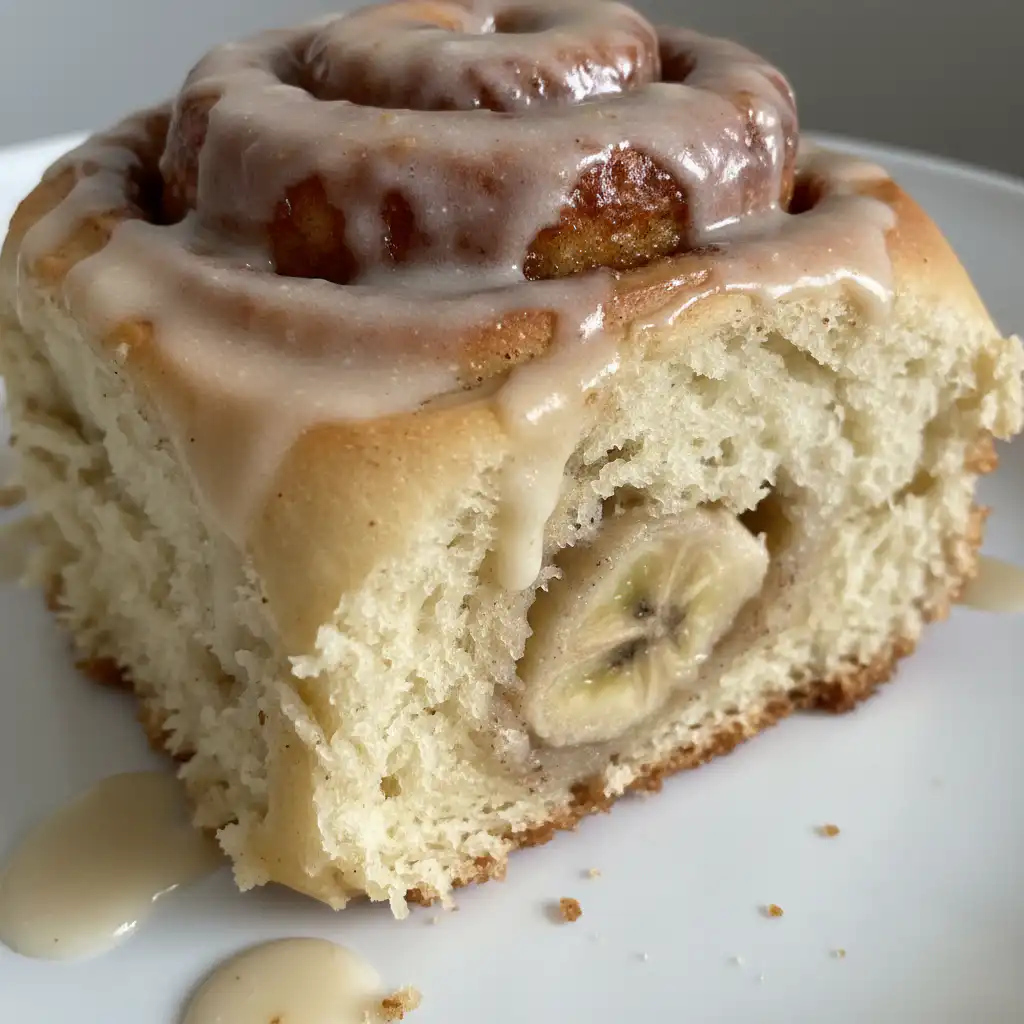
Ultimate Banana Bread Cinnamon Rolls
Ingredients
Equipment
Method
- In a large bowl of a stand mixer, whisk together 2 cups of flour, light brown sugar, Rapid Rise yeast, ground cinnamon, and salt.
- In a separate bowl, gently warm the milk and butter until the butter is mostly melted and the mixture is warm to the touch (not hot). Add the warm milk mixture and the mashed banana to the flour mixture.
- Using the dough hook attachment, mix on low speed, then increase to high and mix for two minutes until combined into a thick batter.
- Scrape down the sides of the bowl. Add one more cup of flour and mix until incorporated. Add the final cup of flour, a little at a time, until the dough pulls away from the sides and forms a soft ball.
- Turn the dough onto a floured surface and knead for about 10 minutes until it becomes smooth and elastic.
- Place the kneaded dough in a lightly oiled bowl, cover with a dish cloth, and let it rise in a warm, draft-free spot for about 1 hour, or until doubled in size.
- While the dough rises, prepare the filling. In a small bowl, combine the light brown sugar, ground cinnamon, and a pinch of salt. Mix well and set aside.
- Once risen, gently punch down the dough and turn it out onto a well-floured surface. Roll the dough into a large rectangle, about 18 by 12 inches.
- Spread the room temperature butter for the filling evenly over the dough. Sprinkle the cinnamon-sugar mixture over the butter and gently press it down.
- Starting from the long 18-inch edge, roll the dough into a tight log. Pinch the seam firmly to seal it shut.
- Using a sharp knife or unflavored dental floss, cut the log into 12 even rolls. Place them in a 9×13 inch pan lined with parchment paper.
- Cover the rolls and let them rise for a second time for about 1 hour, until they look puffed up and have nearly doubled in size.
- Preheat your oven to 350°F (175°C). Bake the cinnamon rolls for about 30 minutes, until golden brown. Let them cool slightly in the pan.
- While the rolls are cooling, make the frosting. In a stand mixer bowl, combine the room temperature butter and cream cheese. Add the powdered sugar, milk, salt, and vanilla extract.
- Beat on low speed, then increase to high speed and whip until the frosting is light, fluffy, and completely smooth.
- Spread the frosting evenly over the warm rolls and serve immediately.