
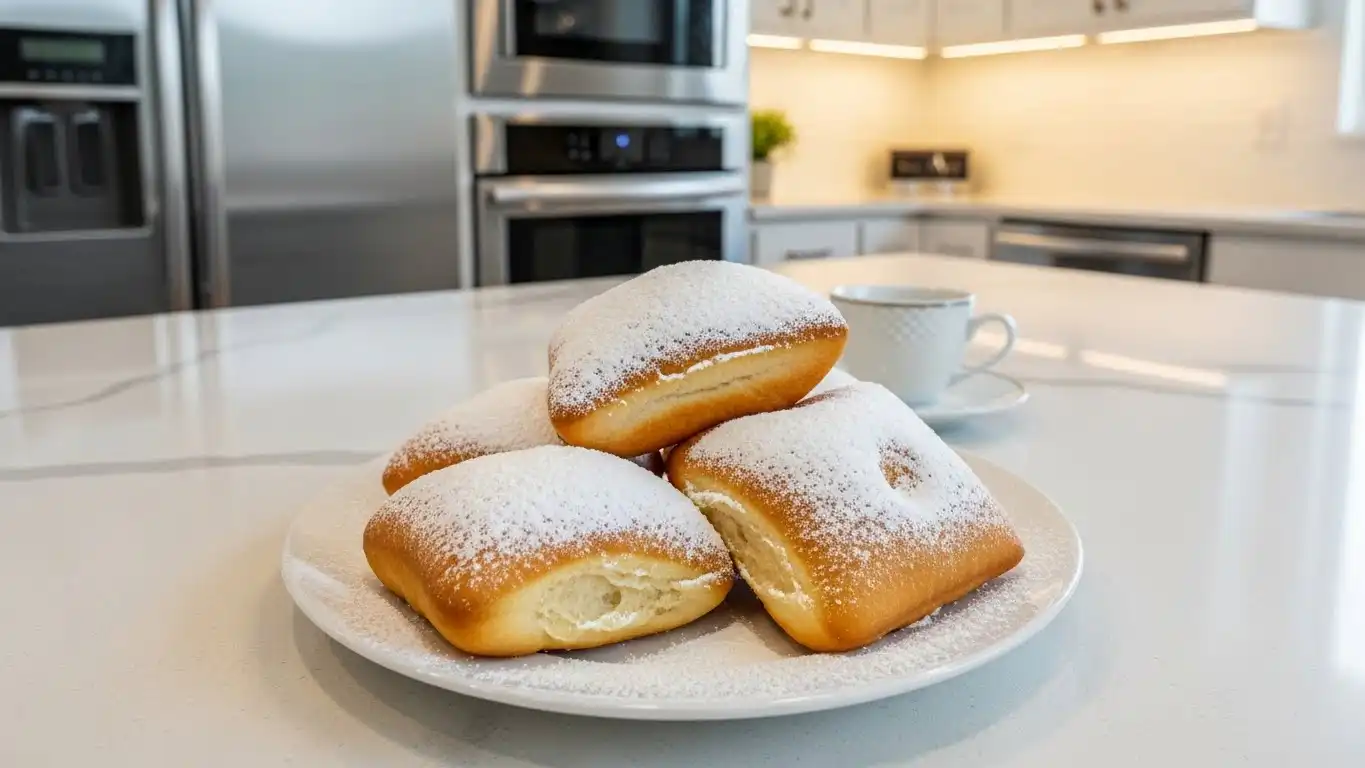
The Story & Introduction
Some memories don’t fade like waking up to the smell of warm oil and vanilla drifting from my grandmother’s kitchen. I must have been no taller than the counter when I first watched her cut soft dough into perfect little squares, dusting them with powdered sugar before I could blink. That was my introduction to French beignets not the big, cakey doughnuts from diners, but light-as-air pillows that disappeared the second they touched your tongue.
I didn’t know it then, but those fluffy vanilla French beignets were teaching me something deeper. They weren’t just treats. They were comfort. They were care. And they were deceptively simple just a handful of ingredients, handled with patience and love.
Now, years later, that same recipe still holds up. I’ve tested it in my own kitchen countless times, tweaking it just enough to keep the inside tender and the outside golden with the lightest crunch. And it never fails: when friends bite into one of these warm beignets, the expression on their face tells me everything.
What makes them so special? It’s the combination of silky evaporated milk, real vanilla, and a long, slow rise that builds unmatched fluffiness. The result is something far more delicate than your average doughnut with a rich French heritage to back it up.
If you’re already a fan of classics like my Irresistible Breakfast Rolls, these beignets will feel like the next level still simple, still cozy, but with a touch of café elegance.
And here’s the best part: you don’t need to be a pastry chef to pull this off. Whether it’s a lazy Sunday or a family brunch, this recipe walks you through every step without stress.
These fluffy vanilla French beignets are exactly what breakfast dreams are made of. And I can’t wait for you to try them.
Table of Contents
What Makes This Beignet Recipe Special:
At first glance, fluffy vanilla French beignets may look like simple fried dough. But don’t let the shape fool you these little pillows have a lot going on inside.
What sets this version apart is the subtle balance of ingredients. Instead of just milk, we use evaporated milk, which brings a rich, slightly caramelized depth you won’t find in standard beignets. Add a splash of pure vanilla extract, and suddenly that sweetness becomes aromatic not overpowering, just warm and inviting.
Then there’s the dough. Unlike American-style doughnuts, which tend to be denser and more cake-like, traditional French beignets rely on yeast. That slow rise is the secret behind their signature airiness. It gives each piece a delicate chew inside, while the outside stays crisp and golden.
Another standout detail? The dough gets rolled to just under ½ inch thick before cutting. That may seem minor, but it’s exactly what creates that pillowy middle. Thick enough to puff, thin enough to cook evenly.
And let’s not skip over the frying step. High-heat oil (at 350°F) creates that quick puff effect. Each square fries for just 1–2 minutes per side. Done right, they come out perfectly light never greasy.
People love serving these with powdered sugar, but if you’re feeling adventurous, a dipping sauce adds a fun twist. Think dark chocolate, salted caramel, or even fruit compote. You can even lean into a fall vibe with warm cinnamon apple syrup just like what we used in our Oatmeal Apple Breakfast Bake.
Finally, let’s talk mood. These aren’t just breakfast they’re a moment. Whether you serve them at a brunch table or hand them out warm to sleepy-eyed kids, beignets offer more than flavor. They bring a little joy with every bite.
How to Make Fluffy Vanilla French Beignets
Making fluffy vanilla French beignets from scratch might sound fancy, but the process is totally approachable. The ingredients are simple, and with a little patience during the rise, you’ll end up with something better than anything from a bakery.
Let’s break it down step by step.
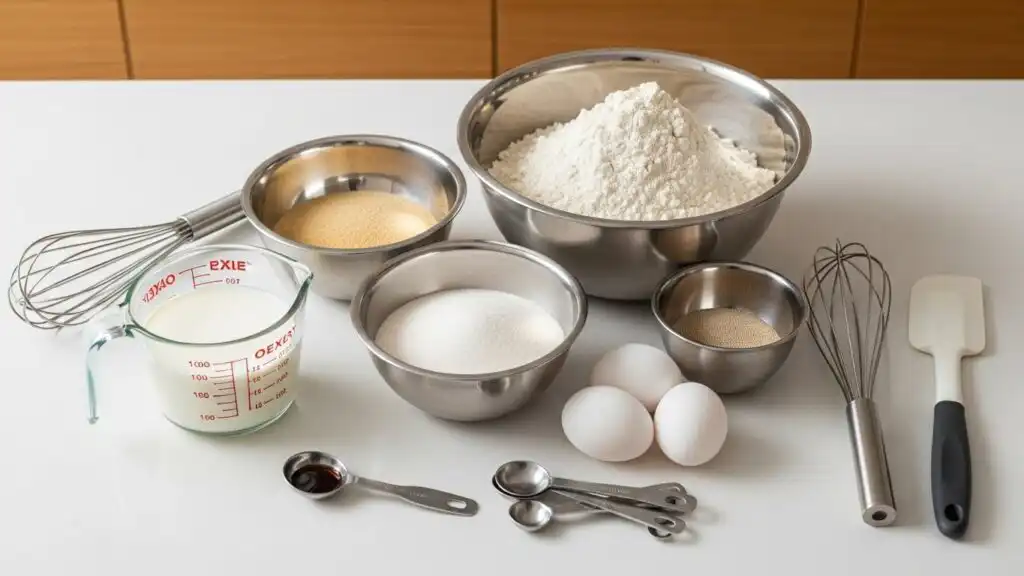
Ingredients You’ll Need:
| Ingredient | Amount |
|---|---|
| Lukewarm Water | ¾ cup |
| Active Dry Yeast | 1 tsp |
| Granulated Sugar | ¼ cup |
| Large Egg (beaten) | 1 |
| Evaporated Milk | ½ cup |
| Vanilla Extract | 1½ tsp |
| Bread Flour (or AP flour) | 3½ cups |
| Salt | 1 tsp |
| Vegetable Oil (for frying) | About 2 quarts |
| Powdered Sugar (for dusting) | 1½ cups |
Step-by-Step Instructions:
- Activate the yeast: In a large bowl, mix the warm water with yeast. Let it sit for 10 minutes until frothy.
- Mix wet ingredients: In a separate bowl, whisk together sugar, egg, evaporated milk, and vanilla. Pour this into the yeast.
- Form the dough: Gradually add flour and salt. Mix until it forms a soft, sticky dough.
- Knead and rise: Knead on a floured surface for about 8–10 minutes. Place it back in a bowl, cover, and let rise for 1.5–2 hours, until doubled.
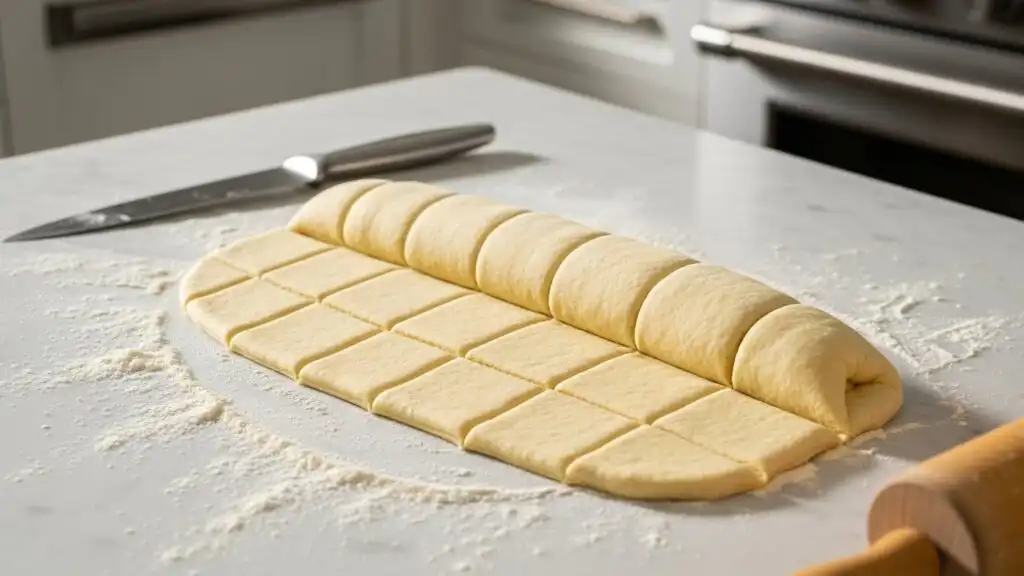
- Shape the beignets: Roll the dough into a ¼–½ inch thick rectangle. Cut into 2-inch squares using a knife or pizza cutter.
- Fry to golden perfection: Heat oil to 350°F. Drop 3–4 pieces at a time and fry 1–2 minutes per side until golden brown.
- Drain and dust: Place fried beignets on a paper towel-lined plate, then toss with powdered sugar while warm.
This process is surprisingly similar in ease to something like our 3 Ingredient Banana Pancakes. Simple, satisfying, and built around pantry staples.
Tips, Substitutions & Mistakes to Avoid
Even though fluffy vanilla French beignets are simple, there are a few key things that can make or break them. Let’s go over the tips, substitutions, and common mistakes you’ll want to avoid.
Common Mistakes to Avoid
One of the biggest mistakes? Skipping the rise time or using yeast that’s no longer active. If your yeast doesn’t bubble during proofing, toss it and start fresh. Without proper yeast activation, your dough won’t puff.
Another frequent error is overcrowding the fryer. That drops the oil temperature fast and leads to soggy, heavy beignets. Stick to frying 3–4 pieces at a time.
Also, don’t overwork the dough. After kneading, let it rest and rise undisturbed. Overhandling knocks out the air you worked so hard to create.
And finally, watch your oil! Too cold, and your beignets soak up grease. Too hot, and they brown too quickly without cooking through. Use a thermometer to keep it steady at 350°F.
Smart Ingredient Swaps
No evaporated milk? Use half-and-half or whole milk instead. If you’re aiming for a lighter version, unsweetened almond milk will work, though you’ll lose a bit of richness.
Want to skip the egg? You can try a flax egg (1 tbsp flaxseed meal + 3 tbsp water) not traditional, but it binds well enough.
No bread flour on hand? All-purpose flour is totally fine. You might lose a touch of chew, but the beignets will still be fluffy.
Gluten-free bakers can use a 1:1 GF baking flour with xanthan gum. The rise won’t be as high, but you’ll still get a soft interior.
Pro Tips for Success
If you’re short on time, let the dough rise in a warm (but turned off) oven. It cuts the wait nearly in half.
Want more vanilla flavor? Add ½ tsp vanilla bean paste along with extract. It brings tiny specks and a richer depth.
If you’re planning ahead, yes the dough can rise overnight in the fridge. Just cover it tightly, and let it rest at room temp for 30–45 minutes before frying.
Once fried, beignets are best eaten warm. But if you need to store them, an airtight container works well for 1–2 days. Reheat in a low oven for a few minutes to bring back the fluff.
For more better-for-you breakfast ideas that still feel indulgent, check out these Healthy Breakfast Recipes. You’ll find plenty that pair well with a sweet treat like beignets.
Serving & Storage Ideas
You’ve made a fresh batch of fluffy vanilla French beignets now what? Time to make the most of them, from first bite to last crumb.
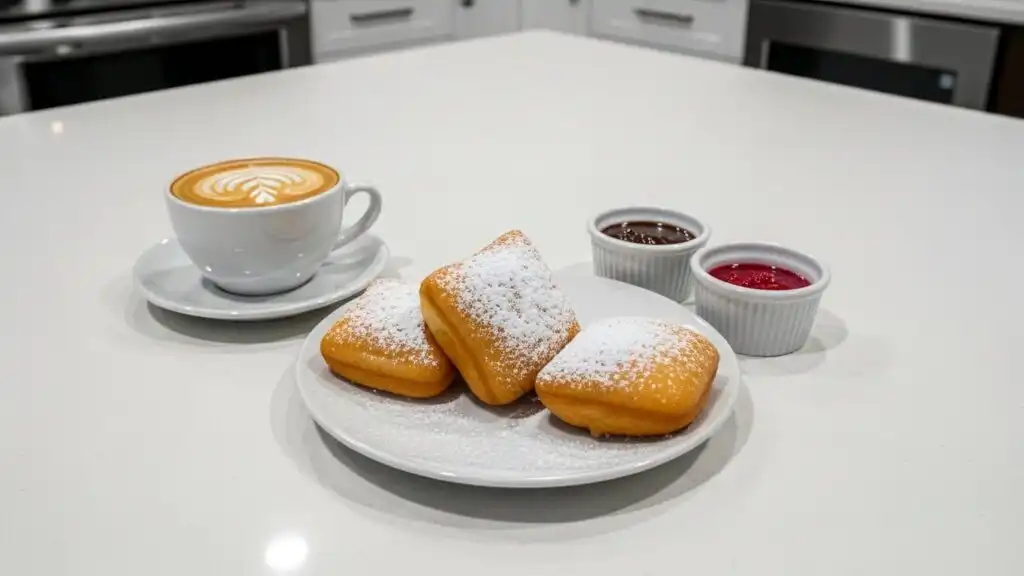
How to Serve Beignets at Their Best
Beignets taste best fresh and warm, within minutes of frying. That’s when the texture is perfect crispy on the outside, soft and pillowy inside.
Right after draining on paper towels, dust generously with powdered sugar. For a deeper vanilla touch, mix the sugar with a pinch of vanilla bean powder.
For added flair, serve with a simple dipping sauce. Classic dark chocolate ganache is always a hit. But you can also try:
- Warm salted caramel
- Raspberry or strawberry coulis
- Espresso glaze
- Honey cinnamon butter
Pair your beignets with strong coffee, hot cocoa, or even a café au lait for a true Parisian-style breakfast.
These treats also play well with savory dishes. A soft scramble or baked egg casserole on the side helps balance out the sweetness.
Make-Ahead & Storage Tips
If you want to plan ahead, make the dough a day in advance. After kneading, cover the bowl tightly and store in the refrigerator. Bring it back to room temp before rolling and frying.
Once cooked, fluffy vanilla French beignets will keep for up to 2 days in an airtight container at room temperature. To reheat, skip the microwave it ruins the texture. Instead, place them in a 300°F oven for 5–7 minutes until warm and slightly crisped.
Avoid stacking them, as it traps steam and softens the exterior. Use parchment paper between layers if storing more than one.
You can also freeze the dough before the final rise. Wrap tightly, freeze for up to a month, then thaw overnight in the fridge before letting it rise.
These fluffy vanilla French beignets aren’t just for brunch they’re perfect for birthdays, holidays, or slow weekend mornings. Make a double batch, and they disappear faster than you’d expect.
Conclusion
There’s something timeless about fluffy vanilla French beignets. From the moment the dough hits the hot oil to the first bite of that crisp, sugar-dusted edge, you know you’re in for something special.
This recipe keeps things simple pantry staples, no complicated tools, and results that feel like they came straight from a Parisian café. Whether you’re making them for Sunday brunch, a family breakfast, or just because you need something sweet, these beignets bring comfort and joy in every bite.
Now it’s your turn.
Try the recipe, make a mess, share them warm and if you do, I’d love to see it! Tag me or stop by Irresistible Meals by Chef Mike on Facebook and let me know how they turned out. You might even inspire the next irresistible favorite.
Frequently Asked Questions
What’s the secret to fluffy beignets?
The secret lies in three things: active yeast, proper rise time, and dough thickness. Using fresh yeast ensures a strong rise, while letting the dough rest for at least 90 minutes develops air pockets that expand during frying. Rolling the dough to about ¼–½ inch thick helps create that iconic airy center.
Do you need to let beignet dough rest before frying?
Yes, absolutely. The dough needs to rest and rise until doubled in size. This resting period allows the yeast to activate fully, which gives the beignets their fluffy texture. Skipping this step will result in dense, flat beignets instead of light, puffed pillows.
What makes French beignets different from American doughnuts?
French beignets use a simple yeast dough, cut into squares, and are typically fried without a hole. They’re lighter and more delicate than American doughnuts, which often use more eggs, butter, and are shaped into rings or filled rounds. Beignets are dusted with powdered sugar, while doughnuts often use glazes or frostings.
Can I let the beignet dough rise overnight?
Yes, overnight rising works well. After kneading the dough, cover it tightly and refrigerate. The next morning, let it come to room temperature for about 30–45 minutes before rolling and cutting. This method adds deeper flavor and convenience for busy mornings.
Why use sparkling water or evaporated milk in beignets?
Evaporated milk adds richness and a creamy flavor, while sparkling water (in some variations) helps make the batter extra light. While this recipe uses evaporated milk for depth, adding sparkling water can also create a slightly airier crumb if you’re using a looser, batter-based version.
How do I keep beignets light and airy after frying?
Don’t overcrowd the pan, and always fry in oil that’s at 350°F. Too much dough at once drops the temperature, making the beignets greasy and dense. Once fried, let them drain well and serve immediately they’re best eaten hot.
Fluffy Vanilla French Beignets Made Simple
- Total Time: 2 hours 40 minutes
- Yield: 12 servings 1x
- Diet: Vegetarian
Description
Fluffy vanilla French beignets made with real vanilla and evaporated milk, fried to golden perfection and dusted with powdered sugar. Light, airy, and easier than you’d think.
Ingredients
¾ cup lukewarm water
1 tsp active dry yeast
¼ cup granulated sugar
1 large egg (beaten)
½ cup evaporated milk
1½ tsp vanilla extract
3½ cups bread flour (or all-purpose)
1 tsp salt
2 quarts vegetable oil (for frying)
1½ cups powdered sugar (for dusting)
Instructions
1. In a bowl, combine warm water and yeast. Let sit for 10 minutes.
2. Whisk together sugar, egg, milk, and vanilla in a separate bowl.
3. Mix the wet mixture into the yeast, then gradually add flour and salt.
4. Knead the dough until smooth, about 10 minutes.
5. Let it rise, covered, in a warm place until doubled (1.5 to 2 hours).
6. Roll dough to ¼–½ inch thickness. Cut into 2-inch squares.
7. Heat oil to 350°F. Fry 3–4 squares at a time, 1–2 minutes per side.
8. Drain on paper towels and dust with powdered sugar.
9. Serve immediately with dipping sauces if desired.
Notes
Make the dough ahead and refrigerate overnight for added flavor.
To reheat, place beignets in a 300°F oven for 5 minutes — never use a microwave.
You can freeze the dough before the final rise and thaw later.
- Prep Time: 30 minutes
- Cook Time: 10 minutes
- Category: Breakfast
- Method: Frying
- Cuisine: French
Nutrition
- Serving Size: 2 beignets
- Calories: 227
- Sugar: 20g
- Sodium: 213mg
- Fat: 2g
- Saturated Fat: 1g
- Unsaturated Fat: 1g
- Trans Fat: 0g
- Carbohydrates: 47g
- Fiber: 1g
- Protein: 6g
- Cholesterol: 19mg