
There is something truly irresistible about perfectly made lemon bars. Their bright, tangy flavor combined with a delightful texture makes them an absolute favorite in my kitchen. If you have been searching for a reliable, step-by-step recipe that also provides expert insights for achieving bakery-quality lemon bars, you have found it. This guide will help you create lemon bars with a perfectly tender shortbread crust and a silky, non-eggy lemon curd, guaranteed to prevent common issues like cracks and spongy textures. Prepare to discover innovative techniques, including an enhanced crust and a crucial slow-cooling method, that truly make this recipe stand out.
Table of Contents
Table of Contents
Why You’ll Love This Recipe: Our Secret to Flawless Lemon Bars
You will love this recipe because it addresses the common pitfalls of making lemon bars head-on. My unique approach ensures your lemon bars are consistently impressive, every single time.
This recipe features an enhanced shortbread crust. I use a portion of powdered sugar, which contains cornstarch, to subtly inhibit gluten development. This creates a remarkably tender, melt-in-your-mouth shortbread crust that is buttery and soft, unlike common hard or crumbly crusts.
The crucial slow-cooling technique is a game-changer for the lemon curd filling. Immediately after baking, the bars are placed back into a turned-off oven with the door ajar. This significantly reduces thermal shock and allows the delicate egg proteins to set evenly and gradually. This technique prevents unsightly surface cracks and guarantees a smooth, silky, non-eggy lemon curd, completely eliminating the ‘eggy’ flavor or spongy texture often associated with rapid cooling or over-baking.
Beyond reliability, this recipe delivers a superior texture and flavor. The combination of tangy and sweet, with a thick and creamy custard nestled on a buttery, soft crust, provides a truly premium dessert experience. These lemon bars are a delightful crowd-pleaser, perfect for bake sales, elegant spring brunches, baby showers, bridal showers, or as a vibrant Easter dessert (they pair wonderfully with our best strawberry rhubarb pie).
Ingredients Needed for the Best Lemon Bars
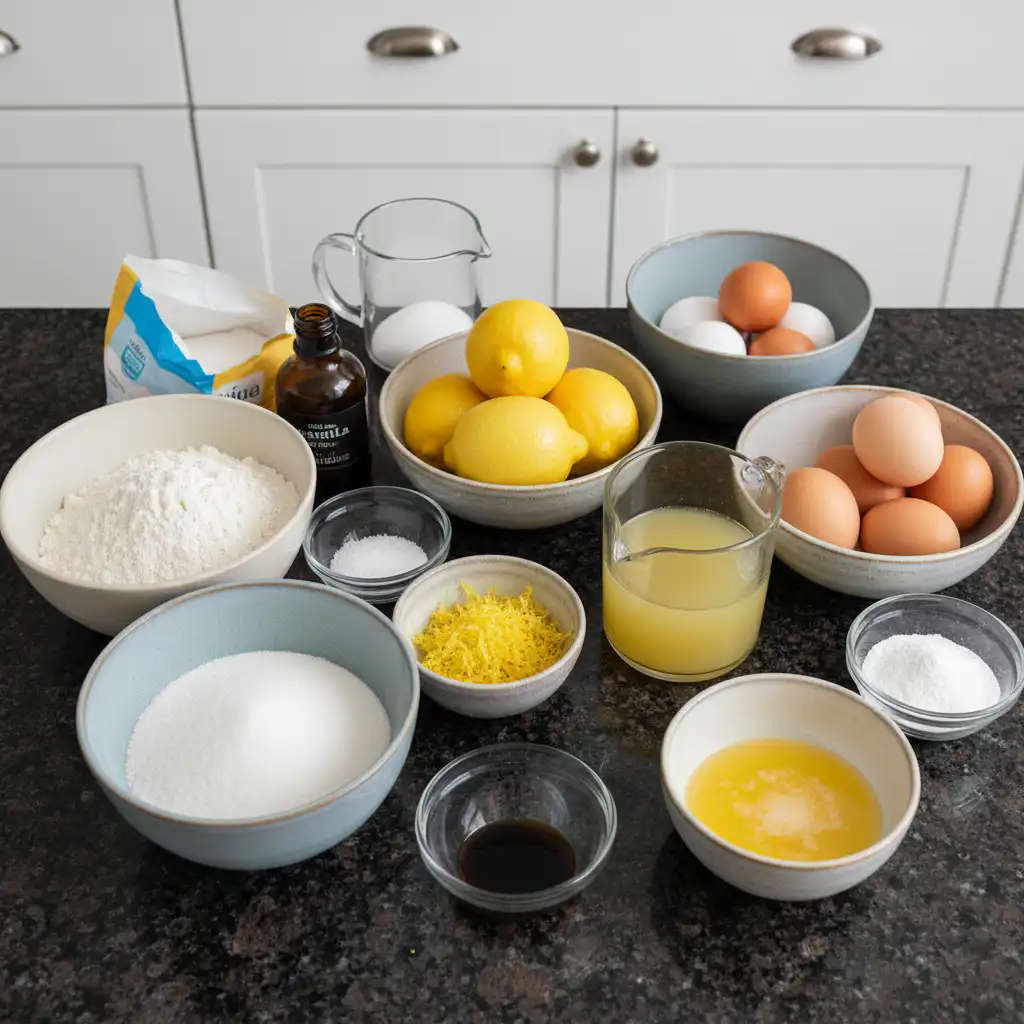
Gathering the right ingredients is the first step to creating these incredible lemon bars. Each item plays a vital role in achieving that perfect texture and taste.
For the Shortbread Crust:
1 cup (16 Tbsp; 226g) unsalted butter, melted
1/2 cup (100g) granulated sugar
2 teaspoons pure vanilla extract
1/2 teaspoon salt
2 cups + 2 Tablespoons (265g) all-purpose flour (spooned & leveled)
For the Lemon Curd Filling:
2 cups (400g) granulated sugar
6 Tablespoons (46g) all-purpose flour
6 large eggs
1 cup (240ml) fresh lemon juice (about 4 lemons)
2 teaspoons fresh lemon zest, optional
For Dusting:
optional: confectioners’ sugar for dusting
Ingredient Notes & Substitutions
Lemon Choice: For the best fresh lemon juice, I typically find that 4 large, juicy lemons yield about 1 cup of juice. Meyer lemons can also be used for a slightly sweeter, less tart flavor, though you might consider slightly adjusting the granulated sugar if you prefer a less sweet result. A citrus juicer makes extracting the juice much easier.
Butter: I always recommend using unsalted butter to maintain full control over the saltiness of the crust. For those with dietary restrictions, vegan butter or margarine can be potential alternatives for a dairy-free option, but be aware that the texture may differ slightly.
Flour: All-purpose flour is essential for both the crust and the lemon curd filling, providing consistency and structure. It is crucial to measure your flour accurately by spooning it into the measuring cup and then leveling it off. This prevents a hard and dry crust.
Eggs: Large eggs are specified in this recipe for their ideal size, which contributes to the proper emulsification and custard structure of the lemon curd. Rest assured, the baking process and subsequent cooling ensure the eggs are thoroughly cooked.
Pan Choice: I strongly recommend using a glass baking pan or a ceramic dish for these lemon bars. Metal pans can sometimes impart an off-flavor or lead to uneven baking. A 9×13-inch glass baking pan is my preferred choice for consistent, delicious results.
Sugar: Granulated sugar is not just for sweetness here. In the lemon curd filling, it also plays a significant role in creating that desirable thick and creamy custard structure.
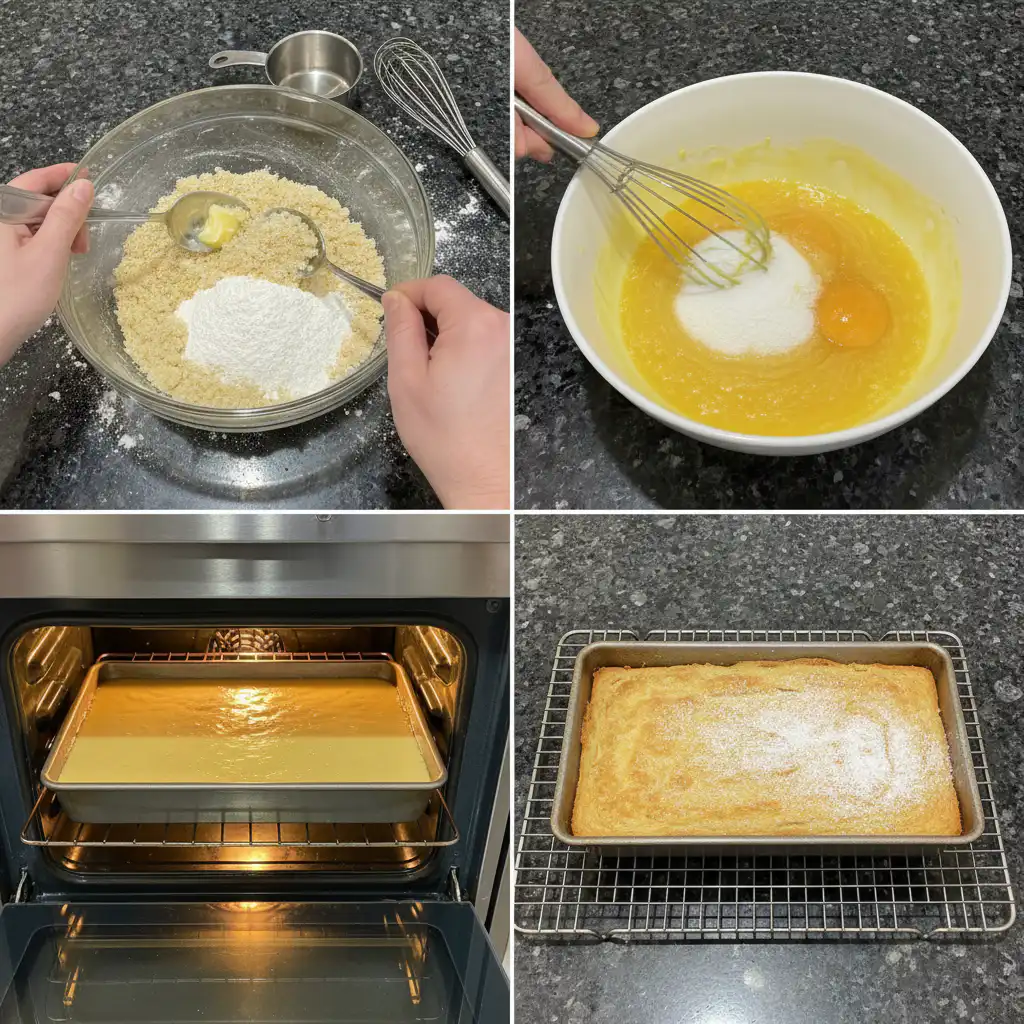
How to Make lemon bars: Step-by-Step Perfection
Making these lemon bars is a truly enjoyable process. Follow these steps for crack-free, silky perfection.
Step 1: Prep the Pan
First, preheat your oven to 325°F (163°C). Take a 9×13-inch glass baking pan and line its bottom and sides with parchment paper. Leave a generous overhang on the sides; this is your secret weapon for easily lifting the finished lemon bars out of the pan, making cutting a breeze. Remember, do not use a metal pan for this recipe. Set your prepared pan aside.
Step 2: Craft the Tender Crust
Now, let’s create that tender shortbread crust. This is the buttery base that makes lemon bars so irresistible.
In a medium bowl, combine the melted unsalted butter, granulated sugar, pure vanilla extract, and salt. Stir until everything is smooth and well blended.
Next, add the all-purpose flour. Mix gently until just combined. The dough will look thick and slightly shaggy that’s exactly what you want.
Press the dough firmly and evenly into the bottom of your prepared glass baking pan. Take a moment to make sure the layer is even across the surface.
Bake for 20–22 minutes, or until the edges turn a light golden brown. This is when the crust develops its rich, buttery flavor.
Remove the pan from the oven. While the crust is still warm, use a fork to gently poke holes across the surface. Be careful not to go all the way through.
This simple step makes a big difference. It helps the lemon filling stick beautifully and keeps the crust stable.
Set the pan aside while you prepare the filling.
Step 3: Whisk the Silky Filling
Now for the luscious lemon curd filling. In a large bowl, sift the granulated sugar and all-purpose flour together. Sifting is important here to prevent any lumps in your smooth custard. Next, gently whisk in the large eggs until they are fully incorporated. Then, add the fresh lemon juice and lemon zest, if you are using it. Whisk everything together until it is completely combined and smooth, focusing on a gentle motion to minimize air incorporation. This helps prevent excessive white air bubbles on the surface and ensures a thick and creamy custard with beautiful emulsification.
Step 4: Bake & The Slow-Cooling Secret
Carefully pour the silky lemon curd filling over the warm, pricked shortbread crust in your prepared pan. Place the pan back into the preheated oven and bake for 22-26 minutes. The filling is ready when the center is relatively set, showing only a slight, gentle jiggle when you lightly tap the pan with an oven mitt, but it should not be liquid.
Now for the crucial slow-cooling secret: immediately remove the lemon bars from the oven. Turn off the oven, then place the pan back inside, leaving the oven door ajar for about 30-60 minutes. This gradual cooling prevents thermal shock, which can cause cracks. After this initial slow cool, remove the bars from the oven completely and let them cool at room temperature for about 2 hours. Finally, transfer them to the refrigerator to chill for another 1-2 hours, or until they are pretty chilled. I find serving them chilled offers the best texture and flavor.
Step 5: Finish & Serve
Once your lemon bars are thoroughly chilled, use the parchment paper overhang to gently lift the entire slab out of the glass baking pan. Dust the top generously with confectioners’ sugar for a classic finish. Using a sharp knife, cut the bars into neat squares. For truly pristine squares, wipe the knife clean with a damp cloth between each cut. Cover and store any leftover lemon bars in the refrigerator for up to 1 week.
Freezing Instructions: Lemon bars are excellent for making ahead and freezing. Once the bars are completely cooled and cut into squares (without the confectioners’ sugar topping), place them onto a baking sheet in a single layer. Freeze them for 1 hour until firm. Then, individually wrap each bar tightly in aluminum foil or plastic wrap and place them into a large freezer bag or an airtight freezer container. They can be frozen for up to 3-4 months. To serve, thaw them in the refrigerator, then dust with confectioners’ sugar just before enjoying.
Unlocking Perfection: Science & Oven Secrets for Your Lemon Bars
Let us delve into some of the culinary science and techniques that elevate these lemon bars from good to truly exceptional.
The Science of Sweetness: Beyond Just Flavor
Granulated sugar in the lemon curd filling does far more than just sweeten the dessert. It plays a vital role in the custard’s overall structure and luxurious texture. Sugar interacts with the egg proteins and the all-purpose flour, helping to create that desirable thick and creamy consistency. It assists in the emulsification process, ensuring a smooth, cohesive filling and preventing it from becoming watery. Understanding this means you should be cautious about significantly reducing sugar, as it directly impacts the structural integrity of your lemon bars.
Mastering Your Oven: Precision for Perfect Bakes
Mastering your oven is absolutely crucial for delicate desserts like lemon bars. Accurate oven temperature calibration is essential for successful bake results. An oven that runs too hot can lead to over-baking, resulting in an eggy taste or a spongy texture. Conversely, an oven that is too cool might leave you with a soupy, under-baked filling. I always recommend using an oven thermometer to verify your oven’s accuracy. Proper temperature ensures the Maillard reaction occurs on the crust, creating that lovely golden color, and allows the custard to set perfectly. This precision in baking sets the stage for the unique twist of slow cooling, maximizing its effectiveness in achieving crack-free bars.
Cutting Like a Pro: For Picture-Perfect Squares
Achieving neat squares when cutting your lemon bars truly makes a difference in presentation. When cutting very cold bars straight from the refrigerator, you will get the sharpest edges, though sometimes this can make the crust a little more prone to cracking if not careful. Slightly softened bars (after sitting at room temperature for 10-15 minutes) can be easier to cut without cracking the filling, but the edges might not be quite as crisp. My top tip remains consistent: always wipe the knife clean between each cut. This simple action prevents crumbs and filling from smudging, ensuring every square looks professional and inviting.
Pro Tips & Troubleshooting for Lemon Bar Success
Achieving lemon bar perfection is within your reach with these expert tips and insights into common mistakes.
Pro Tips
A Glass Pan is Key: I cannot stress this enough: always use a glass baking pan or a ceramic dish for the best flavor and most even baking. Avoid metal pans entirely.
Fresh Lemon Juice: For truly superior flavor, fresh lemon juice is non-negotiable. Invest in a good citrus juicer; the difference between fresh and bottled juice is significant.
Sift for Smoothness: To prevent any lumps in your lemon curd filling, always sift the granulated sugar and all-purpose flour together before whisking them into the wet ingredients.
Prick the Crust: Remember to poke holes in the pre-baked shortbread crust. This small step helps the lemon curd filling adhere properly and prevents it from separating or settling underneath the crust.
Cool Completely: Patience is a virtue here. For the best texture, cool your lemon bars completely at room temperature, then chill them thoroughly in the refrigerator for at least 1-2 hours before serving.
Clean Cuts: For beautiful, neat squares, always wipe your knife clean with a damp cloth between each cut.
Embrace the Slow-Cooling Technique: This is the heart of my recipe. By embracing the slow-cooling process in a turned-off oven, you guarantee a silky, crack-free lemon curd.
Common Mistakes to Avoid
Over-Baking: This is one of the biggest culprits for an eggy taste, a scrambled egg smell, or a spongy egg layer on top of your lemon bars. The slow-cooling technique greatly helps prevent this, but pay close attention to the baking time and visual cues.
Over-Whisking: When preparing the lemon filling, avoid over-whisking. Too much vigorous whisking can incorporate excessive air, leading to white air bubbles or an unsightly foamy film on top of your baked lemon bars.
Not Pricking Crust: Skipping the step of pricking the pre-baked crust can lead to the lemon curd filling separating from the crust or, worse, seeping underneath it.
Inaccurate Flour Measurement: Not accurately measuring your all-purpose flour, especially for the crust, can result in a hard and dry shortbread crust. Always spoon and level your flour.
Reducing Sugar: While tempting for some, drastically reducing the granulated sugar in the filling can impact its structure and result in a too-wet or runny consistency. Sugar plays a structural role in custard.
Soggy Crust Troubleshooting: If you find your crust is soggy, ensure you are using a glass baking pan. Proper pre-baking of the crust is key, and ensuring even butter distribution helps too. Also, allowing the bars to cool completely as instructed will help prevent excess moisture from making the crust soft.
Serving & Storage: Enjoying Your Lemon Bars to the Fullest
These lemon bars are a delight to serve, store, and even experiment with.
Serving Ideas
Dust with confectioners’ sugar before serving for that classic, elegant finish. I always serve my lemon bars chilled, as this brings out their best texture and refreshing taste. For an extra touch of visual appeal, consider garnishing each square with a sprinkle of fresh lemon zest, a few vibrant berries like raspberries or blueberries, or a delicate sprig of mint. These tangy, sweet, thick and creamy lemon bars are perfect for a variety of occasions, from elegant spring brunches and baby showers to bridal showers and as a delightful Easter dessert.
Storage and Make-Ahead
To store leftover lemon bars, simply cover them tightly with plastic wrap or aluminum foil and place them in the refrigerator. They will maintain their deliciousness for up to 1 week.
For freezing, cut the cooled, unsugared bars into squares. Lay them on a baking sheet and freeze for 1 hour until firm. Then, individually wrap each bar tightly in aluminum foil or plastic wrap. Place the wrapped bars into a large freezer bag or an airtight freezer container. They can be frozen for up to 3-4 months. To thaw, simply place them in the refrigerator overnight, then dust with confectioners’ sugar before serving.
Lemon bars are an excellent make-ahead dessert. Their flavors deepen and they set beautifully when allowed to chill thoroughly in the refrigerator overnight.
Flavor Adventures: Creative Variations
Do not be afraid to experiment with the citrus in this recipe. You can easily substitute the fresh lemon juice and zest with other citrus options for new flavor adventures. Consider using fresh grapefruit for grapefruit bars, blood orange for blood orange bars, or lime juice for zesty lime bars. If you opt for sweeter citrus types, you might want to slightly reduce the granulated sugar in the filling, but never go below 1 2/3 cups as this impacts the custard’s crucial structure. For an extra burst of citrus, try adding a teaspoon or two of lemon zest directly to the shortbread crust mixture, a trick that also works beautifully in our strawberry banana bread with a lemon swirl.
Conclusion: Your Journey to Lemon Bar Mastery
Congratulations on embarking on your journey to lemon bar mastery! This recipe, with its tender shortbread crust and silky lemon curd filling, consistently delivers crack-free results thanks to my unique slow-cooling twist. With these detailed instructions and expert tips, I am confident that even beginner bakers can achieve truly tangy, sweet, thick and creamy lemon bars that will impress everyone. I encourage you to try this recipe, perhaps even experiment with the variations, and share your delicious creations. Explore more of my dessert recipes like these no-bake chocolate peanut butter bars and continue your baking adventures!
Frequently Asked Questions (FAQ)
Why do my lemon bars taste eggy or crack?
An eggy taste or cracked surface often results from over-baking or rapid cooling. My unique slow-cooling technique, where the bars cool gradually in a turned-off oven, is designed to prevent thermal shock, allowing egg proteins to set smoothly and eliminating that undesirable eggy flavor.
What type of pan is best for baking lemon bars?
I strongly recommend using a glass baking pan or ceramic dish. These materials ensure even heat distribution and prevent any metallic taste. Avoid metal pans for this recipe.
Can I adjust the sweetness of lemon bars?
Some adjustment to sweetness is possible, especially if you use sweeter citrus types like Meyer lemons or oranges for variations. However, avoid drastically reducing the granulated sugar in the lemon curd filling, as it plays a critical role in the custard’s structure and proper setting.
How should I properly store and freeze lemon bars?
Leftover lemon bars should be covered tightly and stored in the refrigerator for up to 1 week. For freezing, cut the cooled, unsugared bars into squares, freeze them individually on a baking sheet, then wrap each tightly in aluminum foil or plastic wrap. Store in a freezer bag or container for up to 3-4 months, thawing in the refrigerator before serving.
Is fresh lemon juice essential for the best flavor?
Absolutely, fresh lemon juice is essential for superior flavor. Bottled lemon juice often contains preservatives and lacks the bright, nuanced tartness that fresh lemons provide. Using a citrus juicer makes quick work of extracting the juice.
How can I prevent a hard or soggy shortbread crust?
To prevent a hard crust, ensure you measure your all-purpose flour accurately by spooning and leveling it. For a soggy crust, use a glass baking pan, ensure the crust is properly pre-baked until lightly browned, and allow the bars to cool completely as instructed. My unique twist contributes to a tender crust by inhibiting gluten development.
What causes white air bubbles on top of baked lemon bars?
White air bubbles or a foamy film on top of your baked lemon bars are typically caused by over-whisking the lemon filling. This incorporates too much air into the mixture. Whisk gently until just combined for a smooth, even surface.
Will this method cook the eggs well enough?
Yes, this method is specifically designed to fully cook the large eggs safely within the lemon curd filling. The bake time and subsequent slow cooling process ensure the custard reaches a temperature sufficient for cooking the eggs, resulting in a thick and creamy, perfectly set filling.
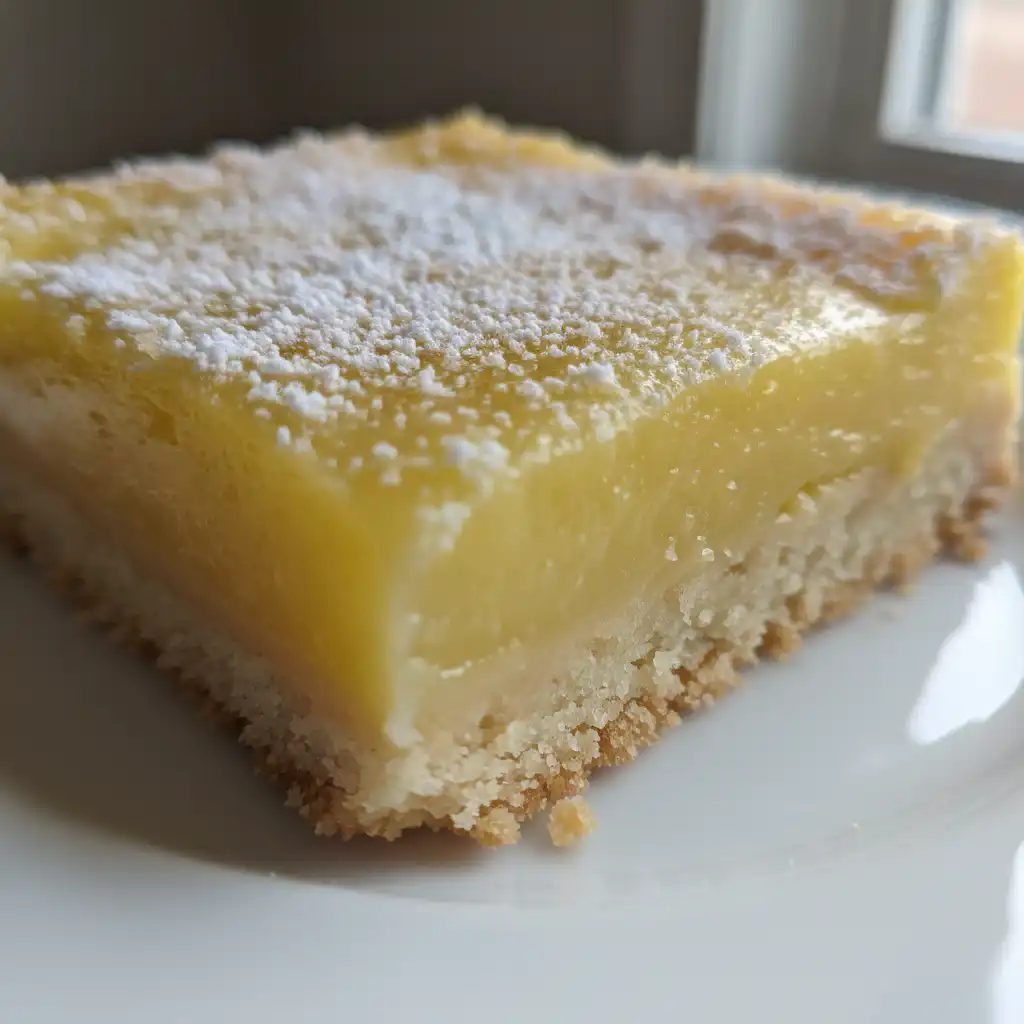
Lemon Bars
Ingredients
Method
- Preheat oven to 325°F (163°C). Line a 9x13-inch glass baking pan with parchment paper, leaving an overhang.
- In a medium bowl, combine melted butter, granulated sugar, vanilla extract, and salt. Mix until smooth.
- Add all-purpose flour and mix until just combined, creating a thick dough.
- Press the dough evenly into the bottom of the prepared pan.
- Bake for 20–22 minutes, until edges turn light golden brown.
- While warm, poke holes in the crust with a fork to prevent separation.
- In a large bowl, sift together sugar and flour to prevent lumps.
- Whisk in the eggs until fully incorporated. Stir in the lemon juice and zest until smooth.
- Pour filling over the warm crust and bake for 22-26 minutes until the filling is slightly jiggly but mostly set.
- Turn off the oven, place the pan inside with the door ajar for 30-60 minutes to prevent thermal shock.
- Let cool at room temperature for about 2 hours, then refrigerate for 1-2 hours before serving.
- Dust cooled bars with confectioners’ sugar and cut into squares.
- Store in the refrigerator for up to 1 week.